
Add us as your preferred source on Google to see more of our content in Search.
 Add to Preferred Sources
Highlighting the disproportionate and devastating socio-economic impact of COVID-19 on women and girls globally, The UN chief António Guterres called for a major push to prevent “years, even generations” worth of progress on women’s empowerment, from being lost to the pandemic.
In an address to a virtual town hall with young women from civil society organizations, the Secretary-General said that the global pandemic has already reversed decades of limited and fragile progress on gender equality and women’s rights.
“Without a concerned response, we risk losing a generation or more of gains”, he cautioned.
Mr. Guterres underscored the vital role played by women, as healthcare workers, essential staff, teachers, and carers, helping millions globally – both within and outside their homes.
However, few are recognized due to persisting inequalities and biases. At the same time, many women working in the informal sector have been thrown into financial insecurity, without regular income or effective social safety nets.
“The pandemic has exposed the extent of its impact on physical and mental health, education and labour force participation”, said Mr. Guterres, amid disturbing reports from around the world of skyrocketing gender-based violence, “as many women are effectively confined with their abusers, while resources and support services are redirected”.
“In short, the pandemic is exposing and exacerbating the considerable hurdles women face in achieving their rights and fulfilling their potential”, he said.
The Secretary-General underlined that his main objective during the town hall was to listen, not talk, and he encouraged participants to ask questions and share their opinions.
In his remarks, the UN chief recalled the UN’s policy brief issued in April, which urged governments to put women and girls – their inclusion, representation, rights, and protection – at the centre of all efforts to tackle and recover from COVID-19.
The first phase, Mr. Guterres said, was for nations to take a “holistic view” of the pandemic’s health impact.
“All women have a right to quality, affordable sexual, and reproductive health services. Governments have a responsibility to make sure women and girls can access these services, even during a crisis”, he said, calling for health systems that meet the needs and realities of all – including women and girls.
“This means prioritizing and funding primary health care and Universal Health Coverage,” added the Secretary-General, while also prioritizing the protection of women from gender-based violence in national COVID-19 plans.
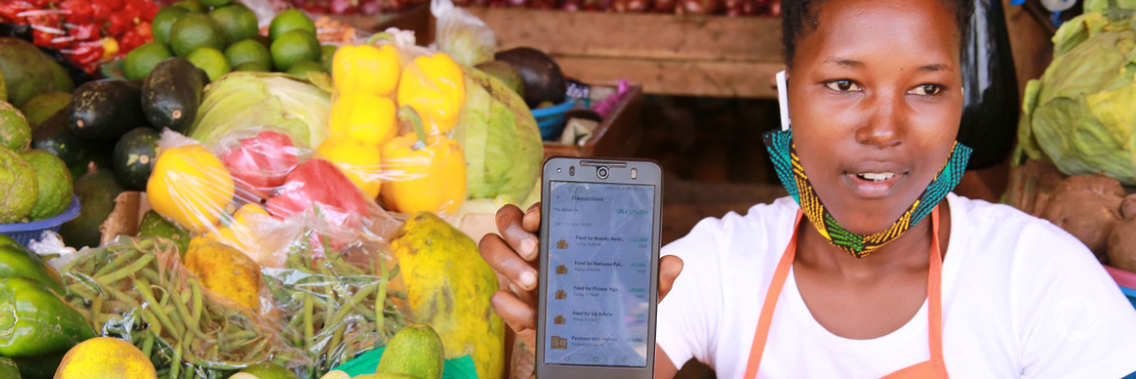
Equally important is putting money into the hands of women working in both formal and informal economies, the UN chief continued.
“Cash transfers, credits, and loans should be targeted at women, to mitigate the immediate impact of job losses and increased caring responsibilities”, he said.
Governments should expand social safety nets and recognize the value of invisible and unpaid care work, as they inject stimulus funds to get their economies back to work. Doing so will address vulnerabilities women experience, ensure women’s central role in economic life, and in the long term, contribute to sustainable development and more inclusive and resilient economies, explained Mr. Guterres.
The Secretary-General noted that 2020 contains several important landmarks. It is the twenty-fifth anniversary of the Beijing Declaration; the twentieth anniversary of Security Council Resolution 1325 on Women, Peace, and Security; and the first year of the Decade of Action on the Sustainable Development Goals (SDGs) – key achievements in gender equality and women’s empowerment.
In that vein, he reinforced his determination to advance women’s priorities and to ensure their equal rights and participation in the peace and security agenda, on climate change, on building inclusive economies, and on reducing and eliminating the digital divide so that women have an equal role in designing technologies of the future.
Original source: UN News