
Tackling pollution and climate change in Europe will improve health and well-being, especially for the most vulnerable
Add us as your preferred source on Google to see more of our content in Search.
 Add to Preferred Sources
Improving the health and well-being of European citizens is more important than ever, with attention currently focused on addressing the COVID-19 pandemic. The pandemic provides a stark example of the complex links between the environment, our social systems, and our health.
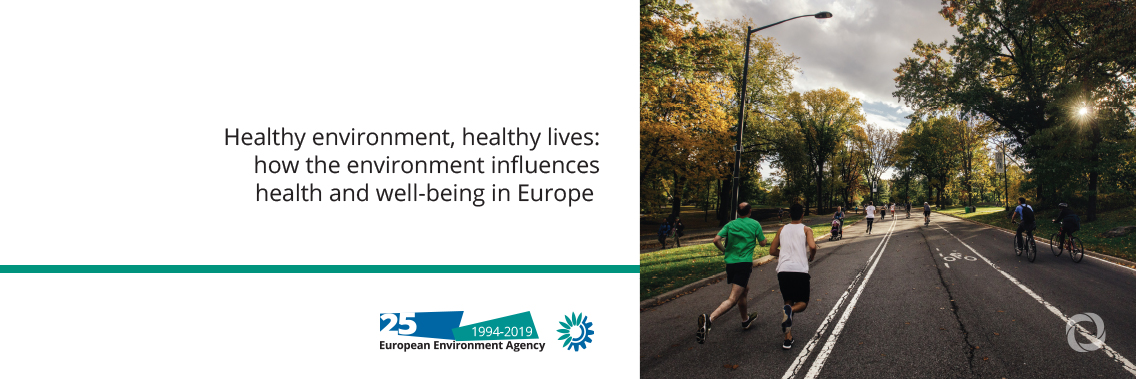
A significant proportion of the burden of disease in Europe continues to be attributed to environmental pollution resulting from human activity, according to the EEA report ‘Healthy environment, healthy lives: how the environment influences health and well-being in Europe.’ The report, which draws extensively on World Health Organization data on the causes of death and disease, highlights how the quality of Europe’s environment plays a key role in determining our health and well-being. It shows how social deprivation, unhealthy behaviours and shifting demographics in Europe influence environmental health, with the most vulnerable hardest hit.
“While we see improvements in the environment in Europe and a clear focus in the Green Deal on a sustainable future, the report indicates that strong action is needed to protect the most vulnerable in our society, as poverty often goes together with living in poor environmental conditions and poor health. Addressing these connections has to be part of an integrated approach towards a more inclusive and sustainable Europe,” said Hans Bruyninckx, EEA Executive Director.
The report stresses that an integrated approach to environment and health policies is needed to tackle environmental risks, protect the most vulnerable, and fully realise the benefits that nature offers in support of health and well-being.
Healthy nature is a key mechanism in the delivery of public health, reducing disease, and fostering good health and well-being. Green solutions offer a triple win for health, society, and the environment. Quality green and blue spaces in urban areas support health and well-being, offering venues for physical activity, relaxation, and social integration, with major benefits for poor communities. Green and blue spaces cool cities during heatwaves, alleviate flood waters, reduce noise pollution, and support urban biodiversity. During the COVID-19 pandemic, many commentators have noted a renewed appreciation of the benefits to mental health and well-being delivered by access to green and blue space, especially in urban areas.
Within the EU, the European Green Deal represents a critical direction-setting change in the European policy agenda and sets out a sustainable and inclusive strategy to improve people’s health and quality of life, care for nature, and leave no one behind.
Read the report: Healthy environment, healthy lives: how the environment influences health and well-being in Europe.
Original source: EEA