
Add us as your preferred source on Google to see more of our content in Search.
 Add to Preferred Sources
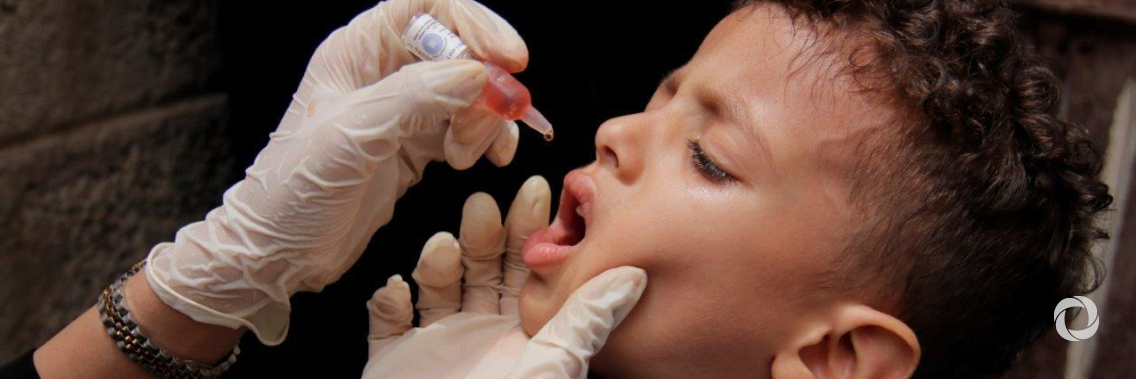
The recent vaccine-derived polio outbreaks confirmed in Yemen and Sudan are consequences of increasingly low levels of immunity among children. Each outbreak has paralysed children in areas that have been extremely difficult if not impossible to reach with routine or supplementary polio vaccination for extended periods of time.
These outbreaks do not come as a total surprise. In Sudan, extensive population movement by nomadic communities, people displaced by conflict, frequent movement between neighbouring countries and restricted access in some areas have made it enormously difficult to reach every child with vaccines. The cases in Yemen are clustered in the Sa’adah Governorate in the war-ravaged country’s north-west, an area that has very low routine immunization levels and has been inaccessible to the polio programme for more than two years. The last house-to-house campaigns in this area were in November 2018.
“For WHO, UNICEF, governments, and partners across these two countries, outbreaks like these threaten to undo decades of progress achieved by the polio programme. Sudan saw its last polio case in 2009 and Yemen in 2005. Both countries have worked diligently to maintain immunity levels since then through widespread use of oral polio vaccine, but these new outbreaks tell us we need to work harder,” said Ted Chaiban, UNICEF Regional Director for the Middle East and North Africa Region.
Weakening immunity to all strains of poliovirus has been a growing risk across the region, caused by sustained challenges in accessing children with life-saving vaccinations. The COVID-19 pandemic has further fueled a significant decline in immunization rates, exacerbating existing disruptions in health care delivery caused by political instability and armed conflicts. Children in areas affected by the polio outbreaks desperately need other essential health and nutrition services.
The outbreaks in Sudan and Yemen are the first new polio outbreaks in the COVID-19 era in this region. WHO’s Eastern Mediterranean Region is also responding to circulating vaccine-derived poliovirus outbreaks in Somalia, Afghanistan, and Pakistan.
“We know that when national authorities, communities and polio programme partners pull together, we can end outbreaks – just as we did in Syria in 2018. But if we cannot reach every child across these regions with the life-saving vaccine, we fear that even more countries will see children tragically and permanently paralysed by a disease that can – and must – be stopped,” said Dr. Ahmed Al Mandhari, WHO Regional Director for the Eastern Mediterranean Region.
WHO and UNICEF are fully committed and engaged in the battle to rid the world of this debilitating disease. Polio anywhere is a threat to children everywhere.
Original source: UNICEF