
Add us as your preferred source on Google to see more of our content in Search.
 Add to Preferred Sources
The spectre of famine has returned to Yemen as donor countries fail to make good on their 2020 pledges, amidst an upsurge in fighting, fresh hurdles for aid deliveries, and ongoing efforts to nail down a nationwide ceasefire, the Security Council heard.
Increased funding was the main reason that famine was prevented two years ago, but this year only 30 percent of promised donations have come through, said Mark Lowcock, the UN’s top humanitarian official.
“Unfortunately, those who are in a position to help – and who have a particular responsibility to do so – are mostly choosing not to,” he said, emphasizing that more than 9 million people have been affected by deep cuts to aid programmes.
Several donors – including Saudi Arabia, the United Arab Emirates and Kuwait, who have a particular responsibility – have, unlike recent years, given nothing so far to the $2.41 billion United Nations humanitarian response plan.
Those three countries are members of the Western and Saudi-backed coalition that is supporting the Government of Yemen, led by Abd-Rabbu Mansour Hadi, against the partially Iranian-backed group Ansar Allah, as the Houthis are formally known.
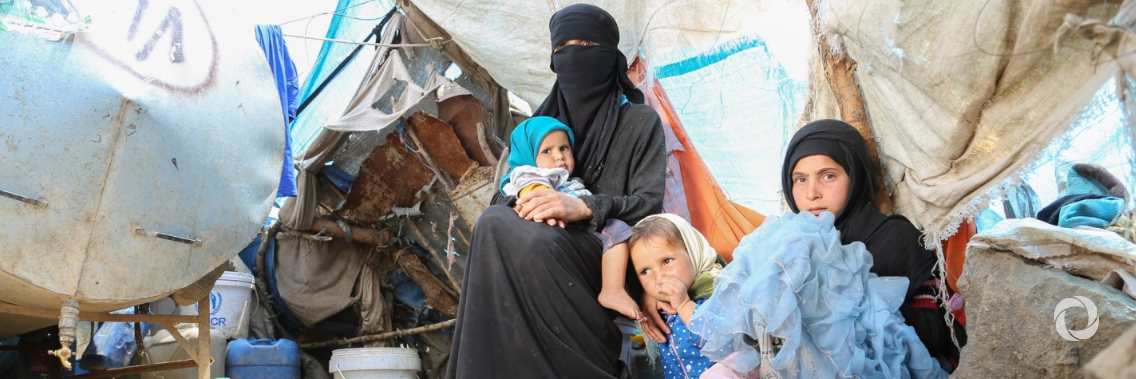
The UN ranks Yemen as the world’s most serious humanitarian crisis, the result of five years of conflict, disease, economic collapse, and a breakdown of public institutions and services – leaving a staggering 80 percent of its population of 30.5 million, dependent on aid.
“Continuing to hold back money from the humanitarian response now will be a death sentence for many families,” relief chief Lowcock said, calling on all donors to pay their pledges and increase their funding.
Painting a grim picture, he said that the Houthis’ closure of the Sana’a international airport to UN and other humanitarian flights – blamed on fuel shortages – are having “severe humanitarian consequences”.
Some 100 metric tonnes of humanitarian cargo were due to fly into Sana’a in the coming weeks, including essential vaccines and medical supplies, he said, adding that a rapid solution is essential to keep aid efforts up to scale.
Original source: UN News