
Add us as your preferred source on Google to see more of our content in Search.
 Add to Preferred Sources
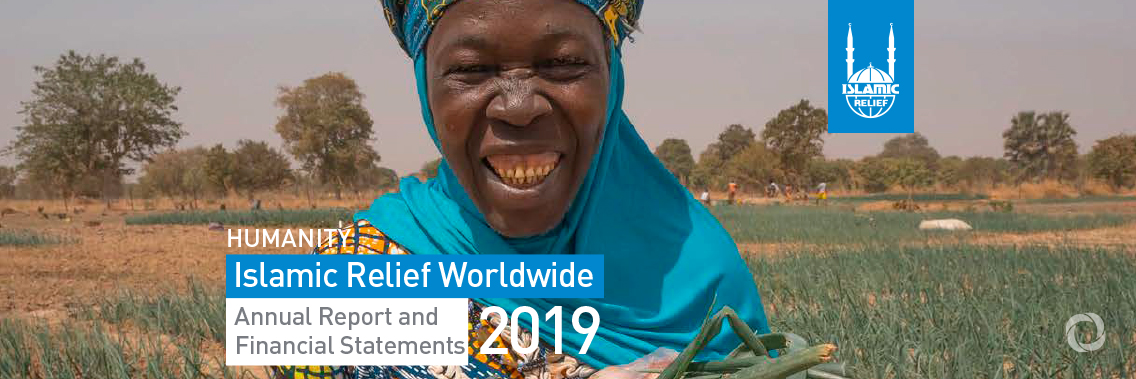
Islamic Relief (IR) has reached over 120 million people with lifesaving and life-changing aid since it was founded in 1984, reveals the charity’s latest Annual Report and Financial Statements.
The report, which covers the calendar year 2019, marks 35 years of continued growth for one of the world’s largest relief and development agencies. It highlights Islamic Relief’s activities and impact in a year in which the charity’s income continued to grow, reaching a record-breaking £131 million.
With 87p of every pound spent on helping people in need, Islamic Relief was able to reach 9.5 million people in 31 countries last year, thanks to the generous support of its donors.
Spending nearly £60 million to deliver 151 emergency projects in 2019, Islamic Relief responded to some of the world’s most devastating crises.
“In war-torn Yemen, we reached 3.4 million people through malnutrition treatment, support for health centres, and food distributions as the main implementing partner for the UN World Food Programme. In Syria, we supported 2.3 million people with access to lifesaving healthcare, emergency food, and winter survival items.”
Nearly 50 humanitarian projects supported people in Mali and Niger, countries in the grip of a worsening humanitarian crisis that the world hears little about. With millions living in extreme poverty, Islamic Relief provided food, shelter, and other vital support. In addition, development programmes boosted access to water facilities, healthcare, and other vital services in the West African countries – and empowered families to lift themselves out of poverty.
“In 2019 we increased spending on development, investing £49 million to deliver hundreds of transformative projects worldwide. We supported children’s education in Gaza, Myanmar, and Chechnya in the Russian Federation, for example.”
Some 998,000 people worldwide received healthcare, and 301,000 gained access to clean water, sanitation, and hygiene facilities. IR helped communities to deal with conflict by building social cohesion in the Central African Republic, the Philippines, Kenya, and Pakistan.
A key innovation in 2019 was piloting a new approach that links the annual distribution programme for qurbani meat to sustainable livelihoods in Niger. Women received livestock to care for and sell back to Islamic Relief for Eid al-Adha, when the price and demand for animals is highest.
Using their share of the profit, the women are building small businesses through which they earn an income throughout the year.
This is just one microfinance project among many, as the report highlights. With a revolving loan fund that supported 17,000 entrepreneurs in 2019, Islamic microfinance programmes are an example of sustainable development at its best.
Islamic Relief also tackled child trafficking and exploitation and helped communities on the frontlines of the climate emergency to improve their resilience and protect the environment from further harm.
Read the report: Islamic Relief Worldwide Annual Report
2019.
Original source: Islamic Relief