
People’s recovery must be prioritized over physical reconstruction in response to the Beirut port explosion, says UNDP report
Add us as your preferred source on Google to see more of our content in Search.
 Add to Preferred Sources
Recovery efforts from the Beirut port explosion of 4 August must look beyond the reconstruction of buildings and infrastructure to ensure a people-centered response, according to a new United Nations Development Programme (UNDP) report.
The report argues that the response needs to be inclusive, addressing in just and equitable ways the structural vulnerabilities faced by most disadvantaged groups and impoverished communities, including women and girls; migrant workers; refugees; the elderly; and children and youth.
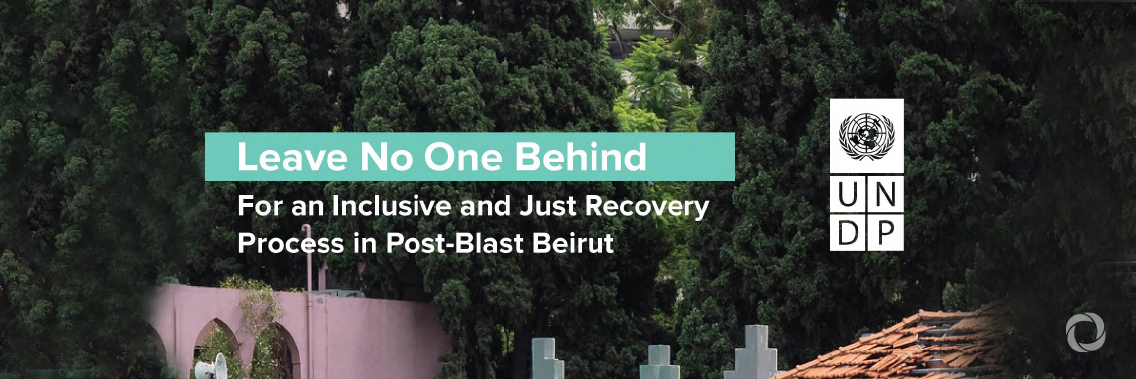
Employing an analytical framework grounded in the principle of inclusiveness enshrined in the universally accepted 2030 Agenda for Sustainable Development, the report entitled “Leave No One Behind: Towards an inclusive and just recovery process in post-blast Beirut,” maps how the blast has disproportionately impacted specific social groups, exacerbating longstanding vulnerabilities that they have been contending with.
“The current multi-faceted crisis that Lebanon is grappling with challenges us to translate Leaving No One Behind into concrete and effective action that can make a difference in the lives of the people who are in most need” asserted Celine Moyroud, UNDP Resident Representative in Lebanon. “We have a responsibility to ensure that the journey to recovery helps people preserve their dignity and restore hope ultimately addressing the root causes that created their vulnerabilities.”
The report argues for a participatory, community-based, approach to recovery that acknowledges people’s voices and demands, and engages them in decision making. It calls on duty bearers involved in recovery efforts to ensure people’s human rights are protected and fulfilled.
The report highlights the necessity to address the institutional frameworks that have for long manufactured and entrenched vulnerabilities and inequalities. It calls for accountability mechanisms that can protect people’s rights and ensure that they benefit from recovery interventions.
The Beirut port explosion has come atop of existing crises in Lebanon. The deepening socio-economic crisis compounded by an unabating COVID-19 crisis have together impoverished over 2.7 million people, qualifying 55% of the Lebanese as poor and forcing 86% of families in greater Beirut to live on less than 200$ a month. The economic impacts of the explosion extend far beyond the immediate vicinity of the Beirut port, affecting the whole of Lebanon. The report underscores that the response must be holistic and national in scale, and must address all different types of vulnerabilities, prioritizing social groups with the most intersecting vulnerabilities.
Read the report: Leave No One Behind: Towards an inclusive and just recovery process in post-blast Beirut.
Original source: UNDP