
Add us as your preferred source on Google to see more of our content in Search.
 Add to Preferred Sources
The UN Secretary-General made an unequivocal case for strengthening multilateralism and building trust among the countries of the world in the face of the devastating coronavirus pandemic, which has exposed gaps on multiple fronts.
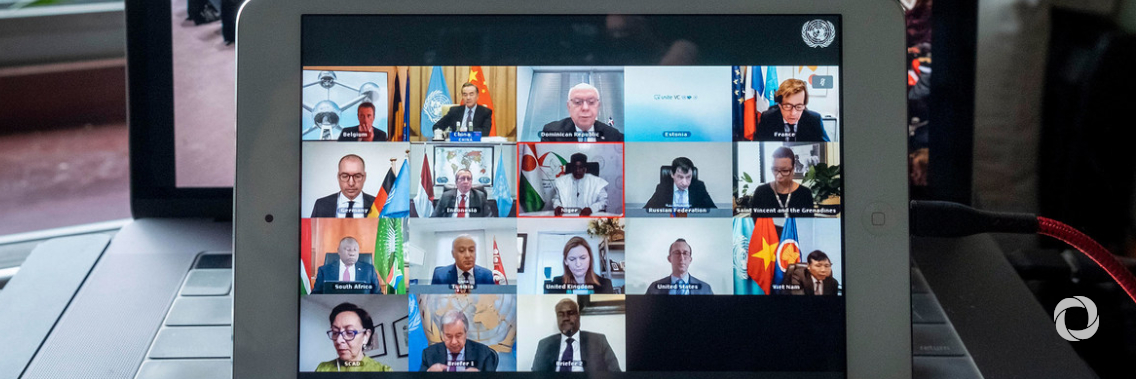
The dangerous mix of high geopolitical tensions and complex threats to peace, now complicated by COVID-19, demands innovative thinking on global governance and multilateralism, said António Guterres, briefing the Security Council.
The COVID-19 pandemic is a clear test of international cooperation, “a test we have essentially failed,” he added.
“It has killed nearly one million people around the world, infected over 30 million, and remains largely out of control. This was the result of a lack of global preparedness, cooperation, unity, and solidarity.”
With the 15 Council members, also joining remotely, Mr. Guterres called for “networked multilateralism” based on strong links and cooperation between global and regional organizations, international financial institutions, and other global alliances and bodies.
The need is all the more pressing with worsening impact of the pandemic. “We have no choice … Either we come together in global institutions that are fit for purpose, or we will be crushed by divisiveness and chaos”, said the Secretary-General.
Convened by Niger, in its capacity as the President of the Council for the month of September, the summit-level event discussed reforms to global governance in the context of peace and security, against the backdrop of the pandemic. The meeting was chaired by Mahamadou Issoufou, President of the Republic of the Niger.
Alongside the responsibility of the UN to improve the effectiveness of global governance, Member States also have an equally important role in forging collective action to common challenges.
Conflict, human rights abuses, humanitarian crises, and stalled progress on development, reinforce each other and are interlinked, while global response is more and more fragmented, Mr. Guterres warned.
Original source: UN News