
Artificial Intelligence best-practices in agriculture can help bridge the digital divide while tackling food insecurity
Add us as your preferred source on Google to see more of our content in Search.
 Add to Preferred Sources
The Food and Agriculture Organization of the United Nations (FAO), IBM, and Microsoft, at an event organized with the Pontifical Academy for Life, relaunched a commitment towards developing forms of Artificial Intelligence (AI) that are inclusive and promote sustainable ways to achieve food and nutrition security.
The discussions also focused on concrete ways through which AI can contribute to achieving the goal of feeding an estimated global population of nearly 10 billion by 2050, and to do this while safeguarding natural resources and addressing challenges such as climate change and the impacts of shocks including COVID-19.
Examples of best practices in the use of AI and digital technology in agriculture, and which are openly accessible in the form of digital public goods, were also presented.
“Transforming our food systems requires innovative solutions to ensure food security and nutrition for all. At FAO, together with the development of AI tools, we work towards establishing the International Platform for Digital Food and Agriculture – an inclusive multi-stakeholder forum for identifying and discussing the potential benefits and risks of digitalization of the food and agricultural sectors. For this aspect we really appreciate and expect colleagues from the AI and digital giants to offer us assistance, cooperation, and engagement to help the (FAO) member countries and the farmers,” said FAO Director-General QU Dongyu.
AI in agriculture, a crucial opportunity to achieve sustainable development
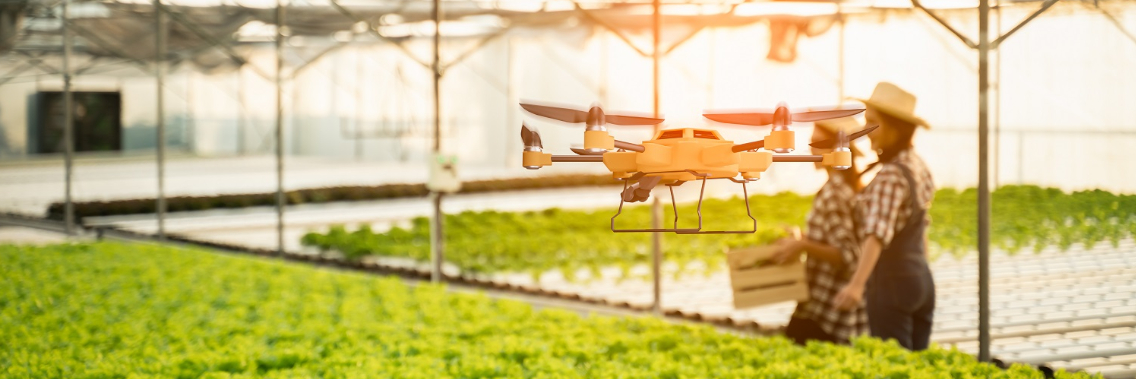
Artificial Intelligence has an important role to play in transforming food systems and helping to address food and nutrition insecurity. In the agricultural sectors, it can do so in several ways, including optimizing or even carrying out some human activities, such as planting and harvesting, thus increasing productivity, improving working conditions – by reducing the amount of time and toil – and using natural resources more efficiently, including through better knowledge management and planning.
Original source: FAO