
Add us as your preferred source on Google to see more of our content in Search.
 Add to Preferred Sources
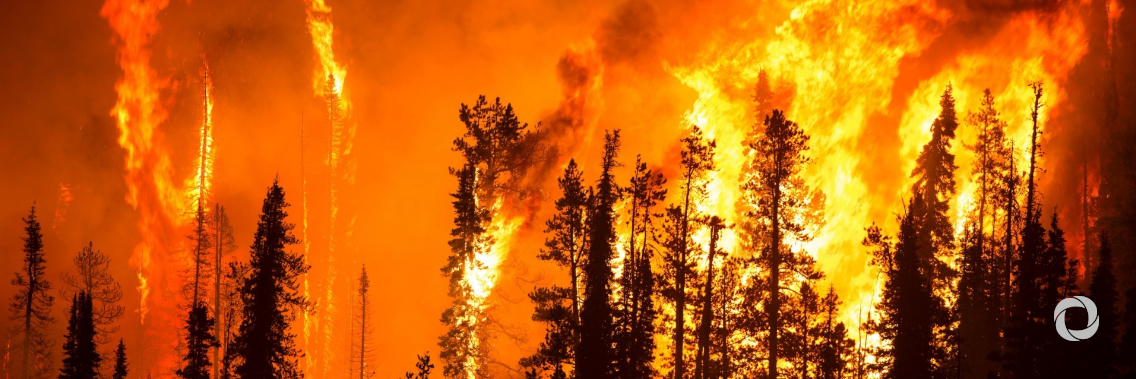
There is strengthened the evidence that climate change increases the frequency and/or severity of fire weather around the world. Land management alone cannot explain recent increases in wildfires, according to an update from internationally acclaimed scientists.
An initial ScienceBrief Review on the link between climate change and wildfire risk was conducted in January 2020, reviewing 57 scientific articles. 116 scientific articles are now available. This update focuses on articles relevant to the wildfires ongoing in the western United States, new findings relevant to the wildfires that raged in southeastern Australia during 2019-2020, and new findings since January 2020.
The Northern hemisphere just had its hottest summer and hottest August on record, according to the US National Oceanic and Atmospheric Administration. The most notable temperature departures from average during August 2020 included the western contiguous United States. The states of California, Oregon, and Washington have been worst hit by wildfires, with dozens of casualties, razing entire neighbourhoods to the ground and forcing the evacuation of thousands of people. At the end of September, the US National Weather Service said that another extended heatwave is returning to South West California, and warned of more critical fire day for parts of California because of high temperatures, dry conditions, and gusty winds.
The western United States is among the regions where the trends in fire weather have been most pronounced in the past at least 40 years. Fire activity is influenced by a range of other factors including land management practices. However, land management alone cannot explain recent increases in wildfire extent and intensity in the western US or southeast Australia because increased fire weather amplifies fire risk where fuels remain available.
The new analysis shows that:
- Well over 100 studies published since 2013 show strong consensus that climate change promotes the weather conditions on which wildfires depend, enhancing their likelihood.
- Natural variability is superimposed on the increasingly warm and dry background conditions resulting from climate change, leading to more extreme fires and more extreme fire seasons.
- Land management can ameliorate or compound climate-driven changes in wildfire risk, either through fuel reductions or fuel accumulation as unintended byproduct of fire suppression. Fire suppression efforts are made more difficult by climate change.
- There is an unequivocal and pervasive role of climate change in increasing the intensity and length in which fire weather occurs; land management is likely to have contributed too, but does not alone account for recent increases in wildfire extent and severity in the western US and in southeast Australia.
Original source: WMO