
FAO Director-General calls for transformational change in the way we manage our forests and food systems that depend on them
Add us as your preferred source on Google to see more of our content in Search.
 Add to Preferred Sources
Transformational change is needed in the way we manage our forests and their biodiversity, produce and consume our foods and interact with nature if we want to build back better after the COVID-19 pandemic and achieve the Sustainable Development Goals. This was the key message of a speech delivered by FAO Director-General QU Dongyu at the 25th session of the Committee on Forestry (COFO).
In his opening remarks, the Director-General noted that the pandemic has shown that forests can serve as a safety net for human beings – particularly the poor and vulnerable – in times of crisis, offering huge potential in “building back better”.
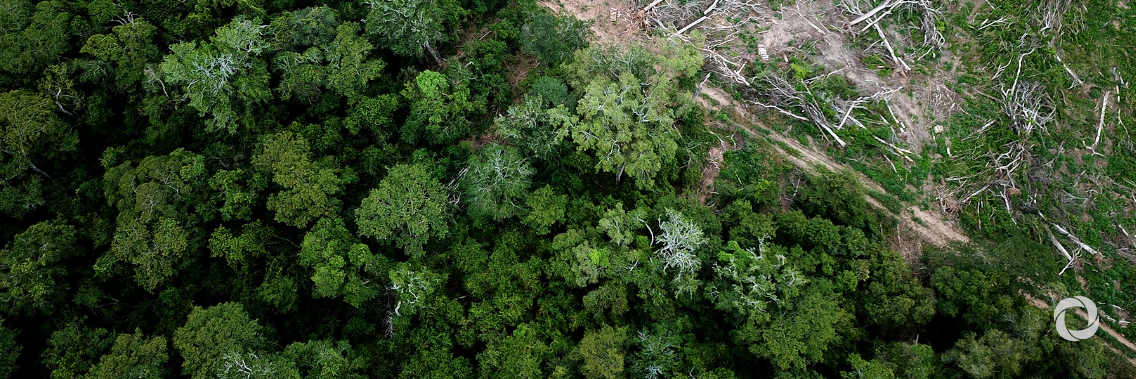
Given that deforestation and forest degradation continue to take place at alarming rates largely due to agricultural expansion, we need to find ways to increase agricultural production and improve food security without reducing forest areas, Qu said calling for a fundamental change of mindset and remodeling our business approaches.
“Halting deforestation and scaling up reforestation, must be a central building block to the sustainable transformation of food systems”, the FAO chief stressed.
In his remarks, Qu urged to scale-up action to unlock the full potential of forests and food diversity and increase investment in the sustainable forest sector as these actions are critical to achieving such global goals as eradication of hunger and poverty, climate change adaptation and mitigation as well as biodiversity conservation.
He also made the link to the Green Cities Initiative that FAO launched last month, which aims to transform agri-food systems, end hunger, and improve nutrition in cities. He noted that cities are very essential in building back better, as “cities have the capacity, technologies, investment, information, and purchasing power”, adding that they can be the “promoter and engine of transformation”.
Original source: FAO