
Add us as your preferred source on Google to see more of our content in Search.
 Add to Preferred Sources
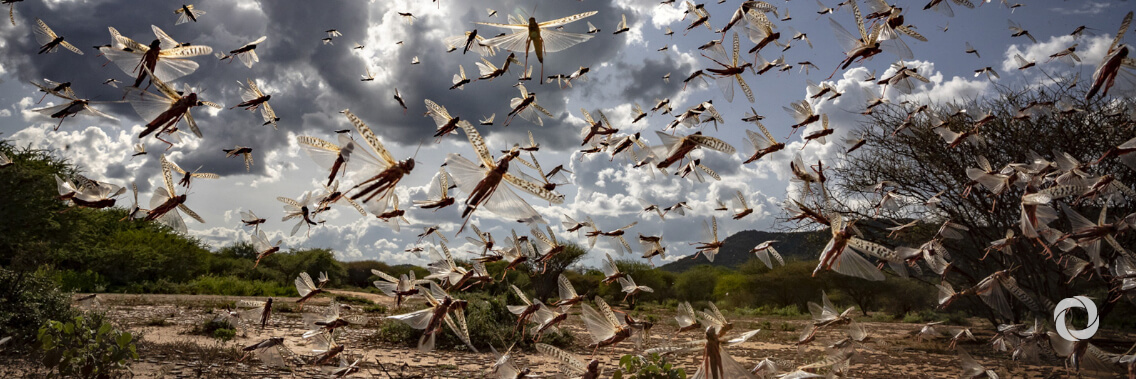
The United Nations World Food Programme (WFP) Sudan has welcomed a contribution of US$1.7 million from the Government of Japan to support vulnerable people whose livelihoods and food security are most at risk because of desert locust swarms that migrated to Sudan from Kenya and South Sudan earlier this year.
WFP will use these funds to provide food rations for three months for more than 78,000 residents who are food insecure in Kassala and Red Sea. The ration will include sorghum, lentils, salt, and vegetable oil. WFP will work closely with local governments and stakeholders to identify the most vulnerable populations in these locations to ensure that those who are most in need receive urgent support.
“WFP is grateful to the government and people of Japan for this generous contribution. The swarms of locusts can have detrimental effects on farmlands and crops that communities depend on for their livelihoods and survival. This funding will help us mitigate the worst effects of multiple crises and ensure that women, men, and children who are hit the hardest, get the life-saving food assistance they need,” said WFP Representative and Country Director in Sudan Hameed Nuru.
This contribution comes at a critical time when food insecurity in Sudan is at an all-time high, with 9.6 million people projected to be food insecure at the peak of the lean season according to the IPC Food Security Analysis released in July, and as communities grapple with the aftermath of the COVID-19 pandemic and locust swarms.
In 2020, Sudan’s humanitarian needs have continued to increase, driven by protracted conflict and displacement, natural disasters, epidemics, malnutrition, and food insecurity. The COVID-19 pandemic and the locust swarms have further exacerbated the situation, amid socio-political instability and the ongoing economic crisis that threaten to drive millions of Sudanese further into poverty.
The generous financial support of countries like Japan helps to alleviate suffering and avert the worst impacts of multiple challenges gripping Sudan.
Original source: WFP