
Add us as your preferred source on Google to see more of our content in Search.
 Add to Preferred Sources
Transmission of COVID19 in the Americas remains very active, with some countries suffering recurrent spikes in cases and the virus spreading in new and different ways, Pan American Health Organization (PAHO) Director Carissa F Etienne, said.
“While Brazil and the U.S. remain significant drivers of new cases in our region, we’re concerned by spikes in cases – including in places that had effectively managed outbreaks, like Cuba and Jamaica. In fact, over the past 60 days, 11 countries and territories in the Caribbean have moved from moderate to intense transmission, which is a concerning development as countries reopen airspace,” she added.
Over 17 million cases of COVID-19 have been reported in the Americas, with more than 574,000 deaths, representing half of all cases worldwide and more than half of all deaths, Etienne noted.
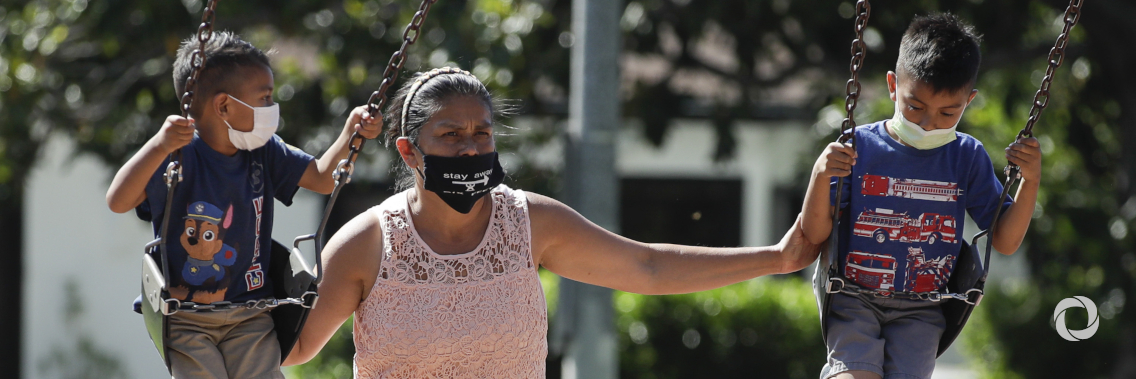
The new ways in which it is spreading is among younger people who have mild or no symptoms and are unaware they are infected. In the US, young people, especially those aged 20-29 years old, represent 20% of new cases.
“While many young people won’t become ill or require an ICU bed, they are not immune to developing the serious effects of COVID-19,” she said.
Elderly people and those with diabetes or hypertension are still vulnerable, “So I urge people of all ages to continue to wear masks, practice social distancing to protect themselves and avoid exposing others, the PAHO Director said.
Dr. Etienne said, “that rates of severe COVID illness have fallen across our region. Today, fewer people are being hospitalized and fewer require intensive care than before, due in part to our growing knowledge of this virus and how to manage critically ill patients.“
PAHO has held more than 160 trainings, delivered more than 17 million COVID PCR tests, and millions more gloves, gowns, and masks to keep health workers safe, she said, noting that “when hospitals are able to cope and manage patients, there are fewer deaths. These efforts have helped save thousands of lives and will continue to protect countless more.”
Etienne gave credit to the work of governments which “acted quickly to expand laboratory networks, increase hospital beds, and hire and train health care workers” As well as health care workers “for their dedication and commitment,” under difficult conditions.
Yet despite these efforts, Etienne highlighted that several groups remain at particular risk, particularly those “with limited access to prevention and care”, including black, Hispanic, and Native American populations in the US which “are nearly three times as likely to contact COVID as their white counterparts.
Etienne also underscored the importance of addressing the health of indigenous populations and migrants in the Region of the Americas.
Original source: PAHO