
Add us as your preferred source on Google to see more of our content in Search.
 Add to Preferred Sources
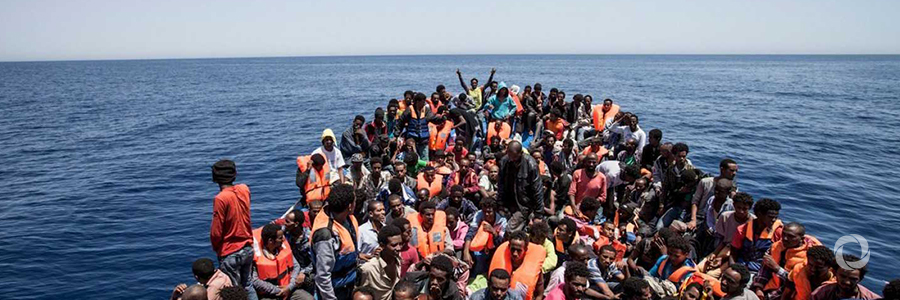
A boat packed with approximately 100 Rohingya desperately escaping violence in Myanmar capsized in the rough seas of the Bay of Bengal last evening, while en route to Bangladesh. The remains of 15 Rohingya – nine children, five adult women and one adult man – were recovered off the shores of Ukhiya, Bangladesh, near the village of Shamlapur.
Local community members saw the boat capsize and were able to immediately launch rescue operations. Fire and civil defense services, as well as, Shamlapur community members, rescued some 17 people – ten of whom have been hospitalized. IOM, the UN Migration Agency’s local team travelled to the scene to see what immediate support was required by survivors and to assess how IOM could respond.
The fate of the other approximately 68 Rohingya on the boat remains unknown as torrential wind and rain continue. Community members, police, border control and fire service are all still on the scene as they are expecting the remains of more victims to wash up on the shore. They are also hoping to rescue more survivors.
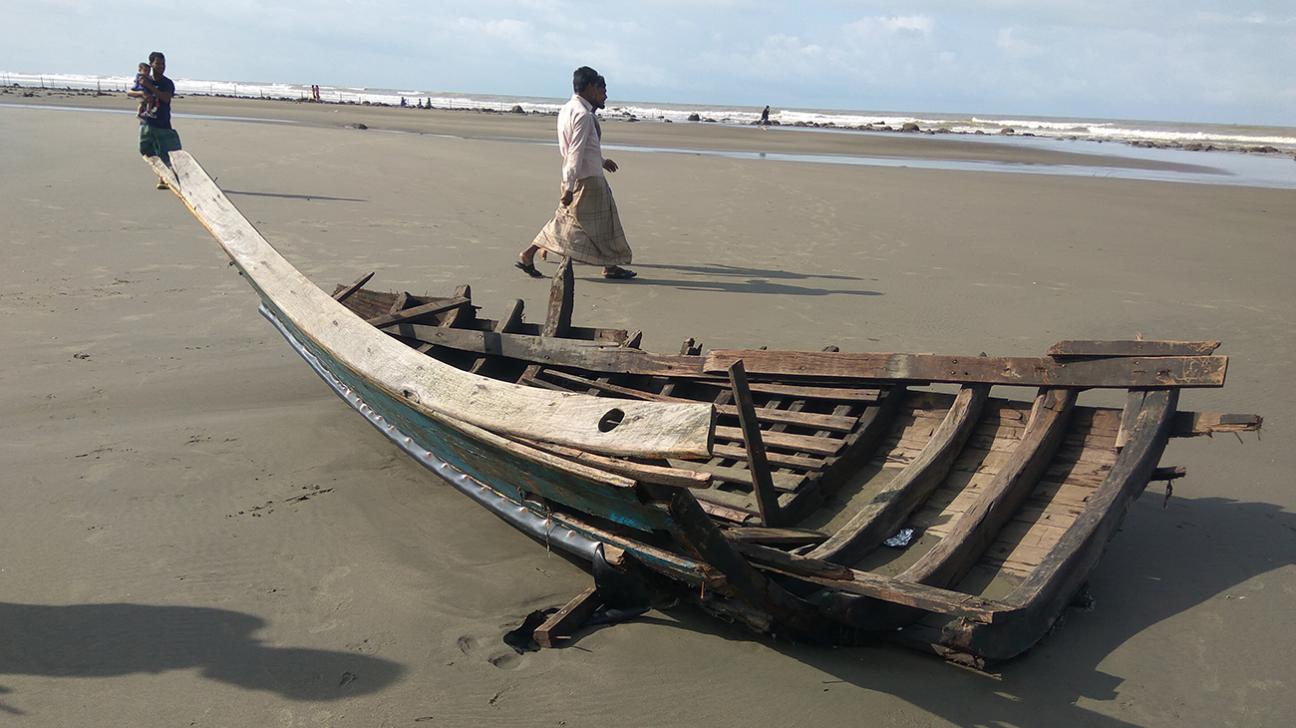
The Shamlapur fishing village, some 35 kilometers south of Cox’s Bazar, is where many Rohingya have settled in makeshift homes during past influxes – now living amongst the Bengal community. Since violence flared on August 25, at least 501,800 Rohingya have fled from Northern Rakhine State, Myanmar, into Cox’s Bazar, Bangladesh. Rohingya enter the country through a variety of crossing points, including land and marine routes in coastal areas on the Bay of Bengal, as well as over the Naf River in Teknaf, a sub-district of Cox’s Bazar.
Now in the midst of the monsoon rainy season, this journey is especially hazardous and deadly as this tragedy underscores.
Most of the half a million newly arrived Rohingya live in Kutupalong and the surrounding hillocks in tent cities and overcrowded make-shift settlement. IOM is leading the humanitarian response in Cox’s Bazar. Emergency response in the settlements is being scaled up to meet the enormous health, safety, and security needs, but the needs far outstrip the current capacity in the country.
IOM is also conducting site planning for the new temporary displacement site on land allocated by the Government of Bangladesh near the Kutupalong Makeshift Settlement, as well as allocating and building up site management capacity in existing makeshift and new spontaneous sites. One of the biggest challenges to addresses needs in Bangladesh is lack of funding. The UN will be launching an updated inter-agency appeal in the coming week.
Original source: IOM
Published on 29 September 2017