
Add us as your preferred source on Google to see more of our content in Search.
 Add to Preferred Sources
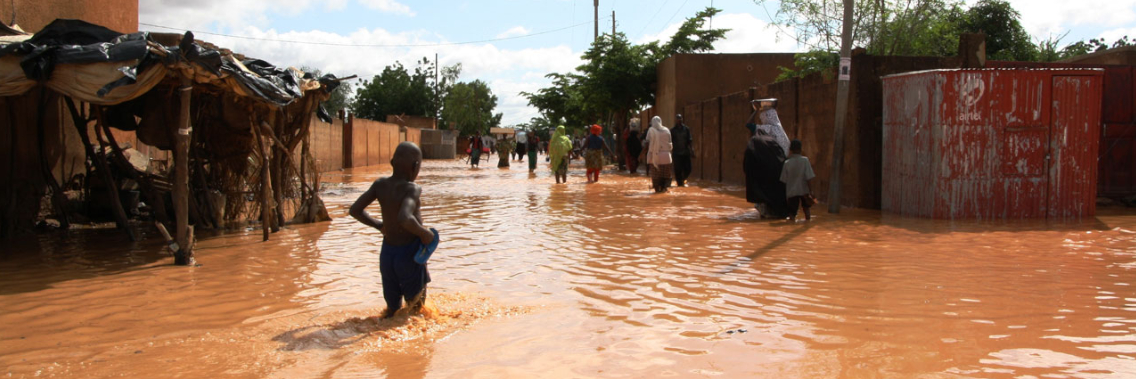
As Niger is grappling with the complexities of the COVID-19 pandemic the country has also been dealing with the impact of torrential rainfall and floods since July. More than 516,000 people in Niger have been affected by floods, and the rainy season has only just started.
According to the Government, more than 516,000 people in all seven regions of the country, including Niamey, have been affected by floods. Ongoing heavy rains have led to the loss of at least 69 lives, with more than 39,000 houses damaged, farmlands swamped, and thousands of livestock killed. Vital infrastructures including health care, water, and sanitation facilities have been damaged and destroyed. The regions of Maradi, Agadez, Tillabéri, and Niamey city are among the hardest hit.
In the Maradi, Dosso, and Tahoua regions of Niger, over 340,000 people need assistance. That is nearly twice as many as anticipated in the country’s national response plan for 2020.
While most of the people affected by the floods have found refuge in public infrastructures – mostly in schools – others have integrated with host families. Their priority needs include food, clean drinking water, shelter, health care, hygiene, and sanitation services.
Since the onset of the crisis, the Government of Niger and aid organizations have been providing life-saving assistance to the survivors. The people affected have received food, shelter kits, water purification supplies, mosquito nets, medical and sanitation assistance. So far, over 6,000 metric tons of food aid (to 20,245 most vulnerable households), 3,750 shelter kits and 8,432 non-food items kits have been distributed countrywide.
Despite the initial humanitarian ongoing response, needs remain high. Supplies are being depleted rapidly and more support, including from donors, is urgently needed.
In response, the Emergency Relief Coordinator allocated $5 million from the UN Central Emergency Response Fund (CERF)’s rapid response window for life-saving humanitarian action.
The funds will enable 4 UN agencies – IOM, UNFPA, UNHCR, and UNICEF – to provide an integrated package of life-saving assistance to an estimated 182,000 people, with a strong emphasis on women and girls, and people with disabilities.
This allocation is in addition to the US$18.6 million that CERF has allocated since January to bridge the funding shortfall due to increasing and competing needs and to ensure emergency assistance to 284,000 people affected by the persisting crisis in Niger and to respond to the COVID-19 pandemic.
Original source: CERF