
Add us as your preferred source on Google to see more of our content in Search.
 Add to Preferred Sources
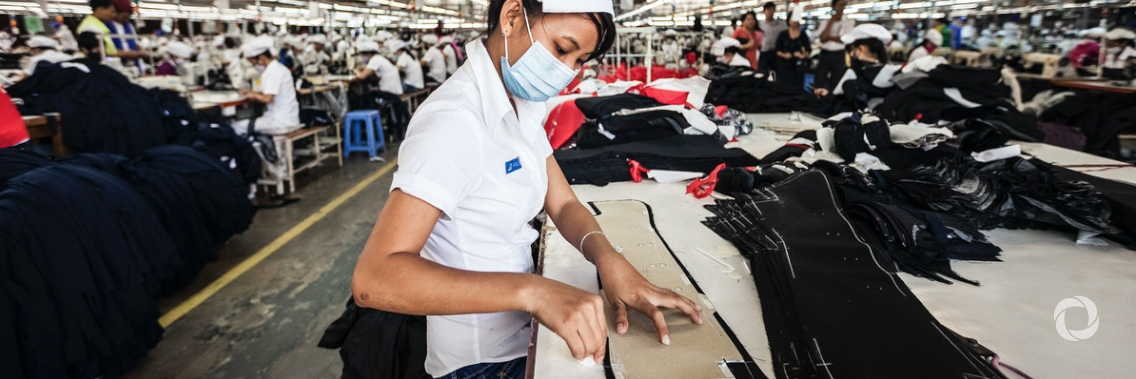
The COVID-19 crisis has hit the garment sector in the Asia-Pacific region hard, with plummeting retail sales in key export markets affecting workers and enterprises throughout supply chains, according to new research from the International Labour Organization (ILO).
The supply chain ripple effect: How COVID-19 is affecting garment workers and factories in Asia and the Pacific, assesses the impact of the COVID-19 crisis on supply chains, factories, and workers in 10 major garment-producing countries in the region: Bangladesh, Cambodia, China, India, Indonesia, Myanmar, Pakistan, Philippines, Sri Lanka, and Viet Nam.
The research highlights that major buying countries’ imports from garment-exporting countries in Asia dropped by up to 70 percent in the first half of 2020, due to collapsing consumer demand, government lockdown measures, and disruptions to raw material imports necessary for garment production.
As of September 2020, almost half of all jobs in garment supply chains were dependent on demand for garments from consumers living in countries with the most stringent lockdown measures in place, where retail sales have plummeted. The Asia-Pacific region employed an estimated 65 million garment sector workers in 2019, accounting for 75 percent of all garment workers worldwide.
Speaking about the findings, Ms. Chihoko Asada Miyakawa, ILO Regional Director for Asia and the Pacific said, “This research highlights the massive impact COVID-19 has had on the garment industry at every level. It is vital that governments, workers, employers, and other industry stakeholders work together to navigate these unprecedented conditions and help forge a more human-centered future for the industry.”
Although governments in the region have responded proactively to the crisis, the research reveals the closure of thousands of factories across the region, either temporarily or indefinitely. Worker layoffs and dismissals have increased sharply, while factories that have reopened are often operating at reduced workforce capacity.
In addition, the research identifies how women, who make up the majority of the workers, have been disproportionately affected by COVID-19, exacerbating existing inequalities in earnings, workload, occupational segregation, and distribution of unpaid care work.
Although the garment sector in Asia is generally marked by low levels of collective bargaining at both sector and factory level, the research notes that social dialogue appears to have helped strengthen crisis responses in countries where dialogue mechanisms are in place. The brief calls for more inclusive and meaningful social dialogue at national and sectoral levels in countries across the region.
Read the report: The supply chain ripple effect: How COVID-19 is affecting garment workers and factories in Asia and the Pacific.
Original source: ILO