
Add us as your preferred source on Google to see more of our content in Search.
 Add to Preferred Sources
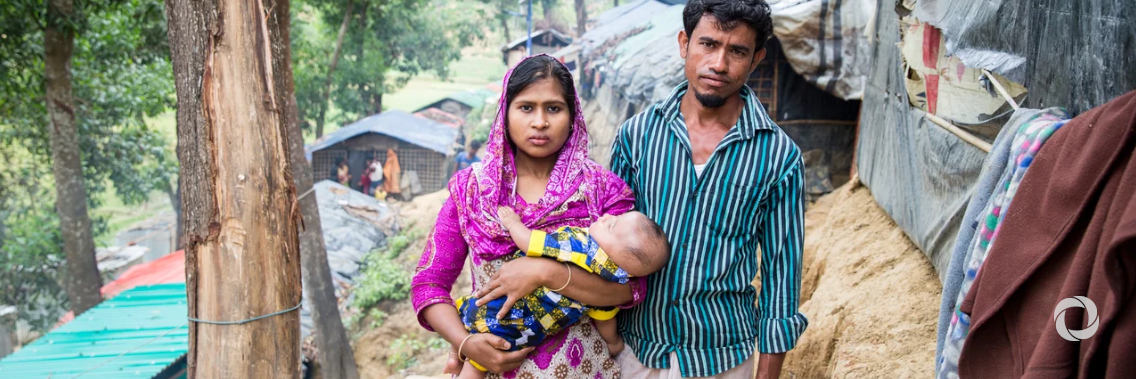
The European Union, along with the United States, the United Kingdom, and the United Nations High Commissioner for Refugees co-hosted the International Donors’ Conference in solidarity with Rohingya refugees and countries in the region.
The EU mobilised a total of €96 million for Rohingya refugees in 2020 for humanitarian, development cooperation as well as conflict prevention support.
Representing the EU at the conference, Commissioner for Crisis Management, Janez Lenarčič said: “Today the international community came together to show its support and deliver further assistance to hundreds of thousands of Rohingya refugees and the communities hosting them. We must do all we can so the Rohingya crisis does not become a forgotten tragedy. At this difficult time, the EU continues to stand by the most vulnerable with this emergency humanitarian support.”
The funding from the EU will focus on helping those most in need, channelled through UN agencies, NGOs, and international organisations:
- Humanitarian assistance of €51.5 million – which includes a new allocation of €20 million from the Emergency Aid Reserve – to help refugees and vulnerable host communities. Priority sectors will be protection (including child protection, Gender Based-Violence), critical healthcare (including mental health) and nutrition, food assistance, and key coordination roles.
- Development support of €39 million to strengthen the resilience and social cohesion of Rohingya refugees and host communities in Cox’s Bazar District and of internally displaced people in Rakhine State. Support will focus on strengthening basic social services, particularly education, health, food, and nutrition security, as well as addressing protection and information needs.
- Conflict prevention support of €5.5 million to contribute to stability and peace in the region.
Original source: European Commission