

Add us as your preferred source on Google to see more of our content in Search.
 Add to Preferred Sources
As of 26 September, 183 cases of Chikungunya have been notified to the Lazio Region of Italy, which includes the coastal areas of Anzio and Latina as well as the city of Rome.
Of the notified cases, 109 are confirmed and 74 additional cases are being investigated. Three more confirmed cases have also been notified from other areas with a travel history to Anzio.
The Italian National Chikungunya Surveillance and Response Plan went into action, including public health measures such as disinfestation and vector control measures in the Anzio and Rome areas; communication to the population about chikungunya and information on protection against mosquito bites. According to the World Health Organization (WHO), there is a high risk for further transmission, which is due to several factors, including the fact that the area of the current case is highly populated and touristic particularly in summer months.
WHO advises basic precautions to be taken by people within and travelling to this area of Italy. These include wearing long sleeves and pants, use of repellents, and ensuring rooms are fitted with screens to prevent mosquitoes from entering.
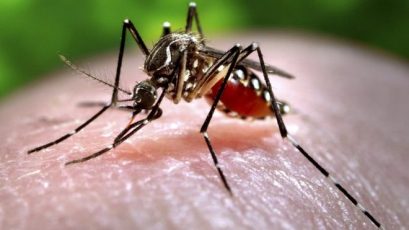 Chikungunya is a viral disease transmitted to humans by infected mosquitoes. It causes fever and severe joint pain. Other symptoms include muscle pain, headache, nausea, fatigue and rash. Joint pain is often debilitating and can vary in duration. Hence the virus can cause acute, subacute or chronic disease. There is no cure for the disease and treatment is focused on relieving the symptoms. The proximity of mosquito breeding sites to human habitation is a significant risk factor for chikungunya.
The disease mostly occurs in Africa, Asia, Americas and the Indian subcontinent. In 2007, transmission was reported for the first time in Europe, in the Emilia Romagna region of north-eastern Italy. There were 217 laboratory-confirmed cases during this outbreak and it demonstrated that mosquito-borne outbreaks by Aedes albopictus are possible in Europe.
Currently, there is another ongoing autochthonous outbreak in Var Department, France that started in early August 2017.
Original source: WHO
Published on 29 September 2017