
Add us as your preferred source on Google to see more of our content in Search.
 Add to Preferred Sources
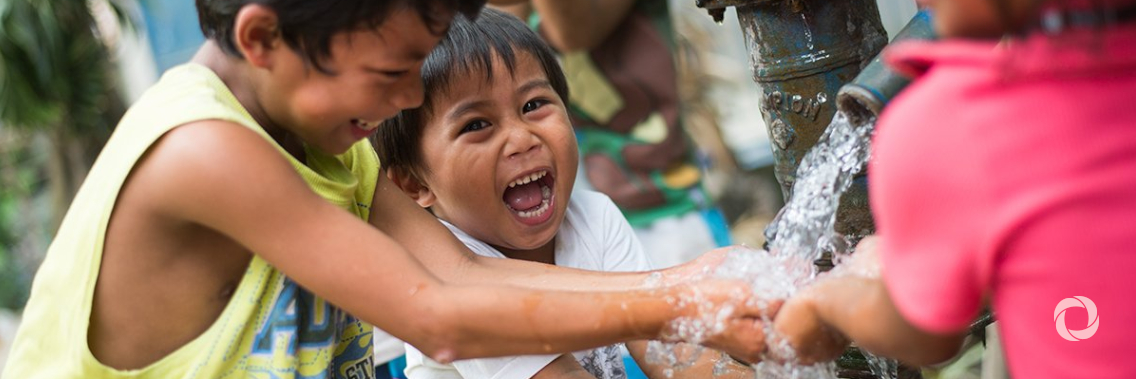
More than a hundred households and 1,600 schoolchildren now have better access to safe water in Maguindanao. The International Labour Organization (ILO) and the Government of Japan handed over a water system to the local government and community in South Upi.
The water system, built under the ILO-Japan Water and Sanitation Project provided jobs to local residents, indigenous peoples, and members of the Timanan Central Elementary School (TCES) Parent Teacher Association as community contractors.
The project contributed to creating decent work, providing safe water, and promoting peace in the Bangsamoro Autonomous Region in Muslim Mindanao (BARMM).
Under the project, community contractors received wages covering 600 workdays, social protection benefits, health, and accident insurance. The local government also helped provide skills training on construction, plumbing, and masonry under the supervision of the municipal engineer. The project also used local-resource based materials and approaches to help revive the economy.
To ensure safety and health in construction, the Ministry of Labor and Employment (MOLE) in BARMM provided occupational safety and health training. Community contractors used personal protective equipment, maintained physical distance, and conducted daily health monitor.
Over the coming months, new water systems will be built in BARMM in 11 sites. Construction of water systems using community participation and a local-resource based approach are ongoing in four sites located in South Upi and North Upi in Maguindanao and in Wao, Lanao del Sur.
“Without access to safe water, people are at high risk of COVID-19. The pandemic has affected lives and livelihoods that can lead to poverty, unemployment, and inequality. Promoting decent work and strengthening cooperation at the local, national and international level are crucial to build back better,” said Khalid Hassan, Director of the ILO Country Office for the Philippines.
The COVID-19 pandemic has led to an increase in unemployment in BARMM. The ILO-Japan project further collaborated with MOLE to provide emergency employment to 1,750 workers in the informal economy who lost their jobs in Cotabato City, Maguindanao, Lanao del Sur, and North Cotabato. Community contractors hired will also build handwashing facilities to help improve water access, sanitation, and hygiene.
Original source: ILO