
Add us as your preferred source on Google to see more of our content in Search.
 Add to Preferred Sources
Faced with the effects of the coronavirus pandemic (COVID -19), which is exacerbating humanitarian challenges in Mali, already confronted with the cumulative effects of terrorism, global warming, and the anticipated risk of the invasion of crop pests such as desert locusts and the Fall armyworm, the ECOWAS Commission provided support to the Malian Government for the most vulnerable households.
This regional solidarity was demonstrated through food donations of 793 tons of cereals comprising of millet, maize, sorghum, and rice. The first donation consists of 237 tons of cereals financed by the ECOWAS Commission’s Humanitarian Emergency Fund for Disaster and Emergency Relief to Member States affected by a humanitarian crisis while the second donation of 556 tons is funded by the resources of the Regional Food Security Storage Support Project, which the European Union is financing for a total amount of €56 million.
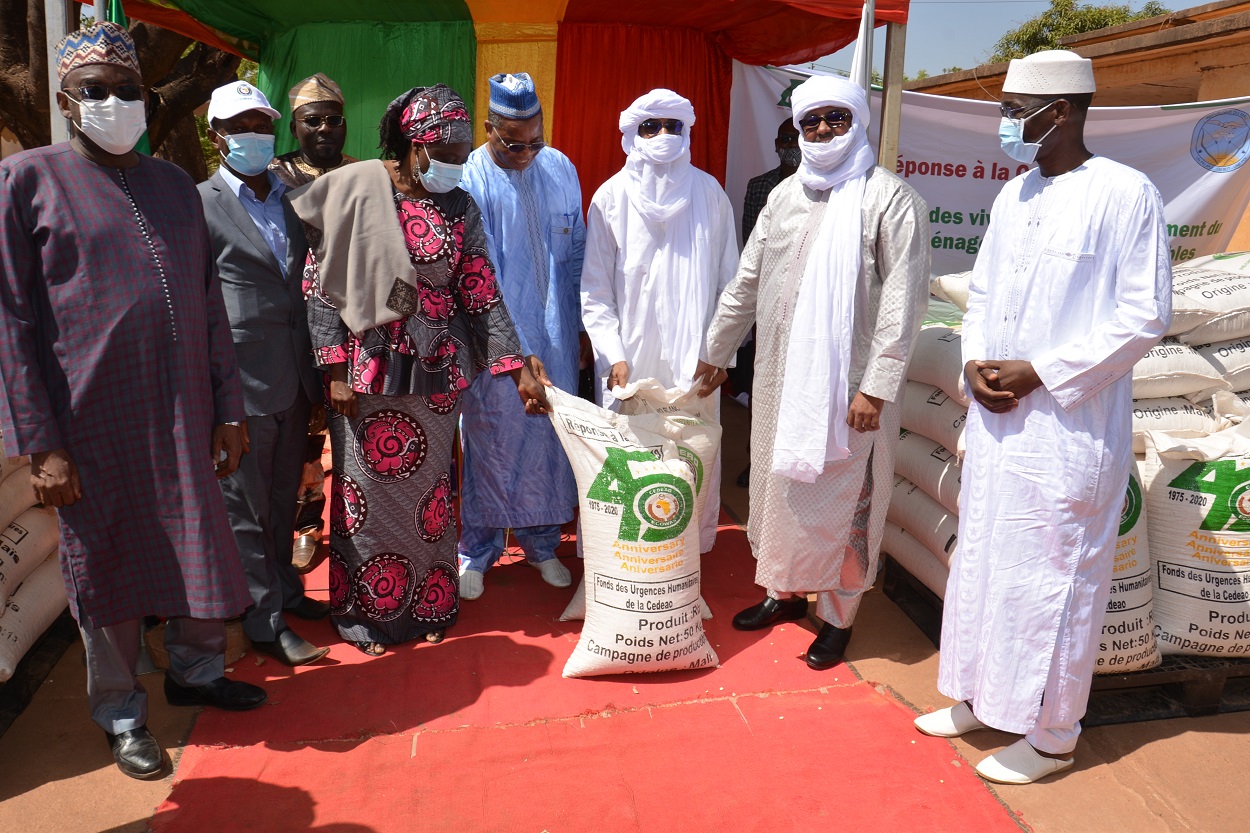
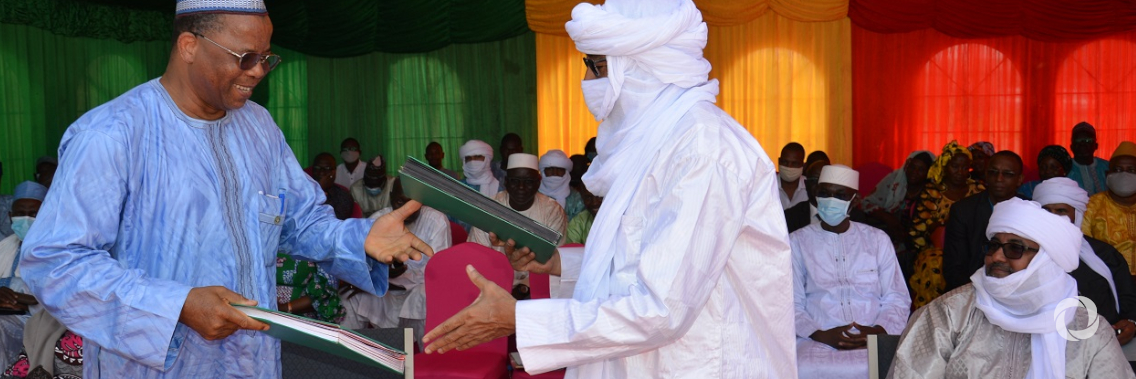
These two donations, complementing the multidimensional support that the ECOWAS Commission has provided to Mali since the advent of COVID-19 in the country on March 24th, 2020, were handed over to Mr. Alhamdou Ag Ilène, Minister for the Malian Diaspora and African Integration by Mr. Sekou Sangaré and Dr. Siga Fatima Jagne, Commissioners in charge of Agriculture, Environment and Water Resources and Social Affairs and Gender respectively at the ECOWAS Commission.
“The contribution of the ECOWAS Emergency Humanitarian Fund to the Malian Government’s efforts aims at helping the most vulnerable households to cope with the multiple crises while preserving their livelihood and dignity,” Commissioner Jagne said.
Recalling that the ECOWAS Humanitarian Policy aims to prevent, mitigate, and provide durable solutions to the complex emergencies and its effects, including natural and man-made disasters in the region. It complements the ECOWAS Disaster Risk Reduction Policy which focuses on disaster risk reduction through the design of interventions aimed at reducing risks as an obstacle to development.
Original source: ECOWAS