
Add us as your preferred source on Google to see more of our content in Search.
 Add to Preferred Sources
An outbreak of the deadly Ebola virus disease in the Democratic Republic of Congo (DRC) is over, the government announced after a five-month response supported by the UN’s World Health Organization (WHO) and other partners.
“This great achievement shows that together we can overcome any health challenge”, Dr. Tedros Adhanom Ghebreyesus, the WHO Director-General, wrote in a tweet.
The outbreak in DRC’s northwestern Equateur Province emerged in early June and caused 130 Ebola cases and 55 deaths.
A key part of the response – with potential lessons for the global fight against COVID-19 – was the vaccination of more than 40,000 people at high risk of falling sick from the frequently fatal haemorrhagic disease, the WHO said in a statement. Like one of the COVID-19 candidate vaccines, the Ebola vaccine needs to be kept at super-cold temperatures to keep it from spoiling.
The 11th #Ebola outbreak in #DRC?? is finally over after nearly 6 months!
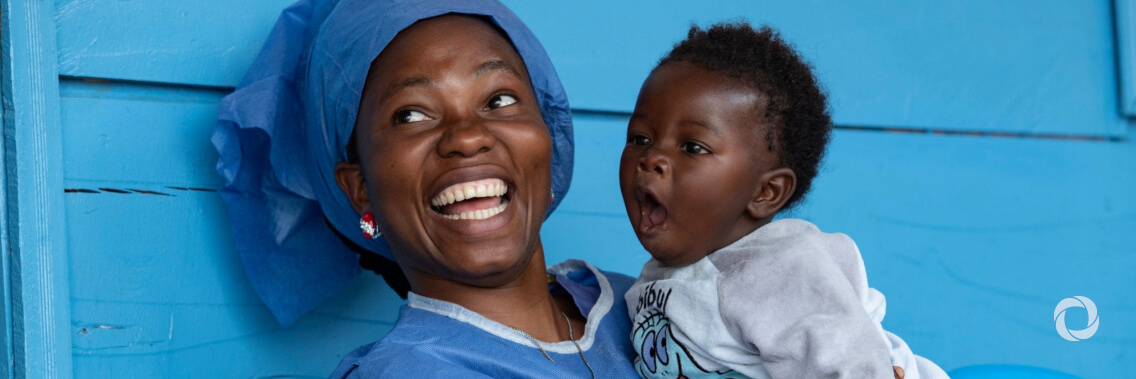
Marthe Apuwa Mbila is the last patient to be discharged. The mother of two now helps care for children at the Ebola Treatment Center, where she is also receiving psychosocial support. pic.twitter.com/uyZK9eBD5N
— WHO African Region (@WHOAFRO) November 18, 2020
“Overcoming one of the world’s most dangerous pathogens in remote and hard to access communities demonstrates what is possible when science and solidarity come together,” said Dr. Matshidiso Moeti, WHO Regional Director for Africa.
“The technology used to keep the Ebola vaccine at super-cold temperatures will be helpful when bringing a COVID-19 vaccine to Africa. Tackling Ebola in parallel with COVID-19 hasn’t been easy, but much of the expertise we’ve built in one disease is transferrable to another and underlines the importance of investing in emergency preparedness and building local capacity.”
The response to both diseases involves finding, isolating, testing, and caring for every case and relentless contact tracing. The innovative Ebola response includes special ARKTEK freezers that can store vaccines in the field for up to a week, enabling responders to vaccinate people in areas without electricity.
The Ebola outbreak was the 11th on record in DRC and its spread raised fears that it could reach the capital Kinshasa before being brought under control. The challenge of containing the disease was complicated by the COVID-19 pandemic and exacerbated by the spread of Ebola cases in remote areas in dense rain forests.
Many affected areas were accessible only by boat or helicopter and had limited telecommunications capacity, and the response was also slowed by a strike among health service providers over pay.
There was also a shortage of international funding for Ebola, forcing the WHO to turn to emergency funds to support epidemiological and public health interventions.
The virus was first discovered in 1976 and the worst outbreak on record hit west Africa in 2014-2016. Although that outbreak killed more than 10,000 people, it also gave rise to the development of a highly effective vaccine and several treatments for Ebola virus disease.
Original source: UN News