
Add us as your preferred source on Google to see more of our content in Search.
 Add to Preferred Sources
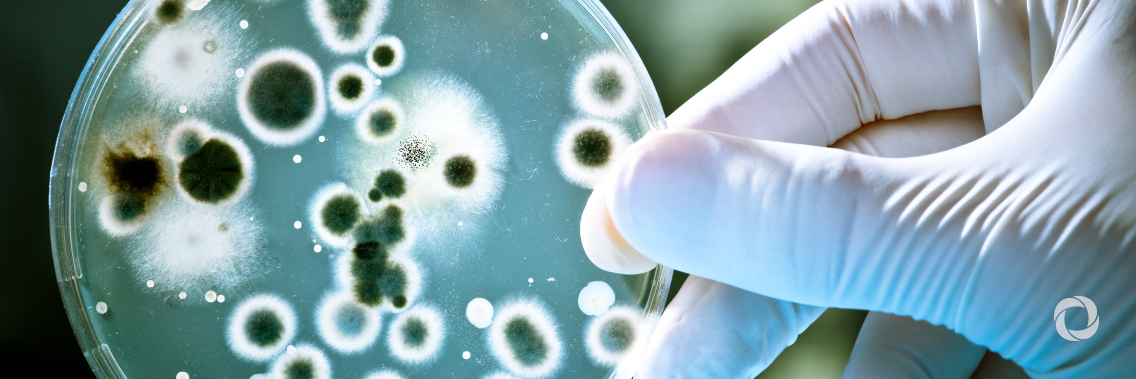
As antimicrobial resistance (AMR) drastically rises threatening to turn into the next pandemic with serious implications for global health, agri-food systems, and economies, FAO is calling on actors across all sectors, from farmers to cooks, producers to consumers, to accelerate efforts to prevent the spread of drug-resistant microbes.
This World Antimicrobial Awareness Week (18-24 November), the Organization highlights that everyone has a role to play to combat AMR, including stakeholders across the food and agriculture sectors, and rolls out recommendations to curb the spread of AMR.
Antimicrobial resistance (AMR) is the ability of microbes to persist or grow in the presence of drugs designed to inhibit or kill them. The process is accelerated by the use of antimicrobials designed to kill unwanted pathogens in humans, animals, and crops. In particular, the use of antimicrobials in human and animal health is fuelling resistance.
Currently, at least 700 000 people die each year due to drug-resistant diseases. More and more common diseases, including respiratory tract infections, sexually transmitted infections, and urinary tract infections, are becoming harder to treat. Drug resistance is also increasingly threatening our agri-food systems and global food security.
COVID-19 has shown us that human, animal, and environmental health are more interdependent than ever before. Pathogens affecting one area can exacerbate challenges in others and have an enormous impact on how we prevent and control health threats to safeguard the world. AMR is one of these global threats, and it is potentially even more dangerous than COVID-19. It is profoundly changing life as we know it.
“Just like the COVID-19 pandemic, AMR is no longer a future threat. It is happening here and now, and is affecting us all”, said Deputy Director-General Maria Helena Semedo. “Around the world people, animals and plants are already dying of infections that cannot be treated – even with our strongest antimicrobial treatments. If AMR is left unchecked, the next pandemic we face could be bacterial and much deadlier if the drugs needed to treat it do not work”.
AMR in food and agriculture
Food and agriculture sectors have a pivotal role to play in tackling AMR. In many parts of the world, antimicrobial use is far greater in animals than in humans, and it is rapidly increasing as our populations grow, and global demand for food increases.
AMR is spreading quicker than scientists can develop new antimicrobials and is threatening global food systems, food security, food safety, health systems, and economies. Our only solution is to take strategic action to keep the antimicrobials we have working. It is not too late, but time is running out to stop this devastation from worsening, FAO warned.
Original source: FAO