
Add us as your preferred source on Google to see more of our content in Search.
 Add to Preferred Sources
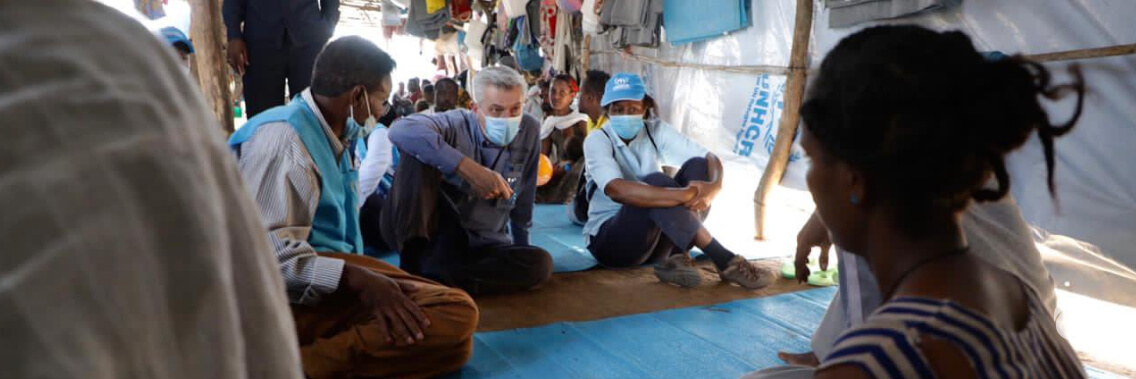
The UN High Commissioner for Refugees Filippo Grandi called for international support for Sudan as the country takes in more than 43,000 refugees who have fled fighting in neighbouring Ethiopia in recent weeks.
Grandi said the decision by the government in Khartoum to receive the refugees, almost half of whom are children, was an example to the international community but the country needed help to bear the additional responsibility.
People from the Tigray region of northern Ethiopia have fled to the Hamdayet border point in eastern Sudan as well as to two other frontier points, one in Kassala State and the other at Lugdi in Gedaref state.
But the Khartoum government has identified the Um Raquba site, around 70 km west of the border, as a location for refugees to receive assistance in greater safety. Around 10,000 refugees have already been transported there.
“The government of Sudan has kept the border open in the best tradition of African and Sudanese hospitality and I want to commend it as an example to the international community. But the government of Sudan needs a lot of help,” he said.
He appealed for US$ 147 million over the next six months for UNHCR, the UN, and humanitarian community to help Sudan manage the crisis.
UNHCR has already begun aid flights from its global stockpile in Dubai, United Arab Emirates, to Sudan to deliver blankets, solar lamps, mosquito nets, plastic sheets, tents, and prefabricated warehouses for the refugees.
Grandi called for mediation to end the conflict, echoing appeals by UN Secretary-General António Guterres and the African Union. He also said he was worried about the situation facing almost 100,000 refugees from Eritrea who are hosted by Ethiopia in the Tigray region.
“Ethiopia is a very hospitable country for refugees, but now they are caught in this conflict, we don’t have access to them,” he said.
Refugees said they were fleeing the conflict but also feared intercommunal violence.
Original source: UNHCR