
Add us as your preferred source on Google to see more of our content in Search.
 Add to Preferred Sources
The European Commission has published the ‘Overview of Natural and Man-made Disaster Risks the European Union May Face’. The 2020 edition presents the latest available evidence on disaster risks, such as floods, wildfires or diseases, that threaten the EU, drawing on the national risk assessments developed by the EU Member States and on the Commission’s cross-sectoral policy and scientific work.
The report recognises that the coronavirus pandemic is the worst emergency seen in EU history and also warns that disaster risks are not limited to infectious diseases.
Experience shows that even with the high level of protection attained in the EU, multiple natural and man-made hazards can and have brought the loss of life and high economic and environmental cost.
Based on available data, disasters caused by natural hazards only cost the EU nearly 100,000 lives and more than €500 billion of economic losses between 1980 and 2017. Infectious diseases and heatwaves were the biggest ‘killers’, while storms, floods, and earthquakes were the costliest natural hazards in terms of economic loss.
Top risks
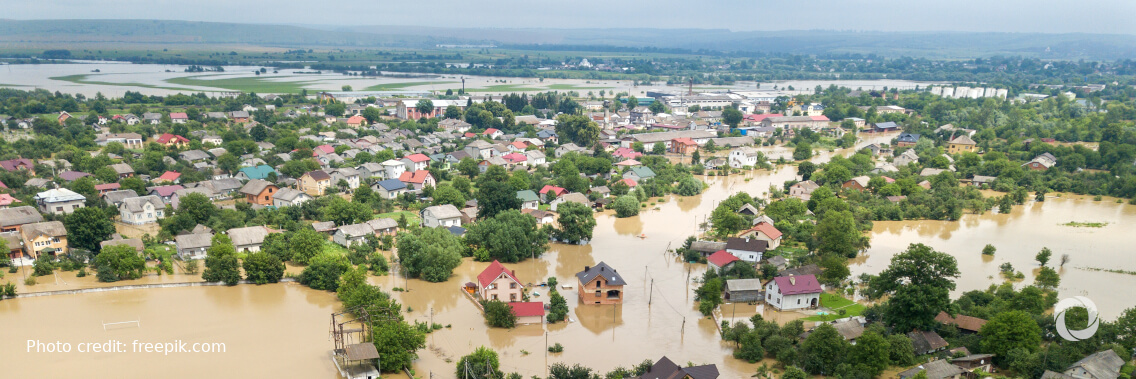
The review of national risk assessments suggests that the top 5 disaster risks of concern to national authorities across the EU are floods, extreme weather events such as heatwaves, industrial and nuclear accidents, and wildfires.
Other risks that receive considerable attention in national and the Commission’s reports include epidemics, disruption of critical infrastructure, terrorism, cyber threats, seismic risks, and animal and plant diseases.
Prevention for the future
The overview cautions that in the future, we can expect more extreme events and increasing damage.
Climate change is bringing along more extreme weather events, technological developments are changing the face of man-made threats. Urbanisation is one of the factors behind the growing exposure to hazards, while environmental degradation and ageing societies contribute to reduced resilience.
Growing instability abroad, geopolitical tensions, and diversification of hostile groups are behind the increasing security threats such as terrorism, cyber, and complex hybrid threats.
Against this complex backdrop, it is crucial to have arrangements in place for effective prevention, mitigation, preparedness, response and recovery from disasters. Understanding disaster risks and monitoring their development is the first step towards effective risk reduction.
The report also highlights the importance of further action to address major risk drivers, increase cooperation across borders and sectors, sustain investment in risk reduction and resilience, boost the EU’s collective capacity to respond to large-scale disasters, build resilience of critical infrastructure and improve risk financing strategies.
Read the report: Overview of Natural and Man-made Disaster Risks the European Union May Face.
Original source: European Commission