
Add us as your preferred source on Google to see more of our content in Search.
 Add to Preferred Sources
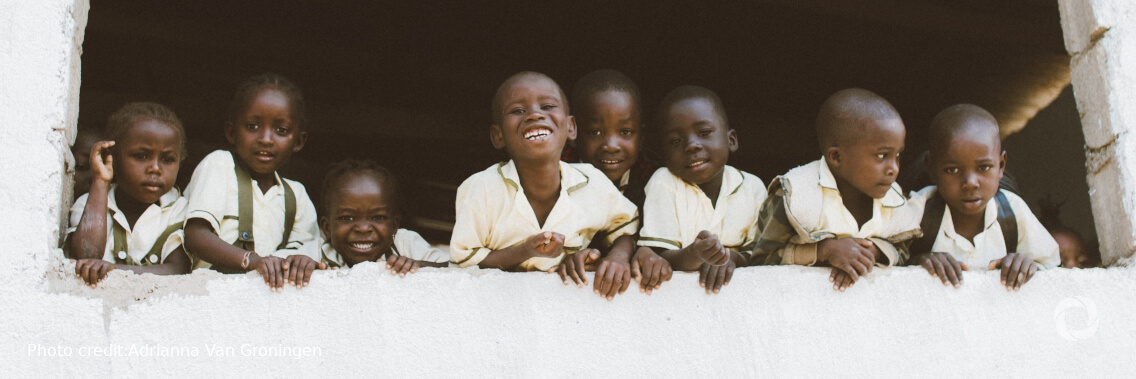
South Africa’s constitution guarantees basic education for every child, although some schools still require a birth certificate for admission, despite a court decision last year ordering public schools to admit all children, including those without certificates.
Around the world, millions of people are either stateless or at risk of statelessness. UNHCR, the UN Refugee Agency, in November, marked the sixth anniversary of its 10-year #IBelong campaign to end statelessness by 2024.
The World Bank estimates there are 137 million people at risk of statelessness in Southern Africa. Lacking identity papers, they struggle to find work, gain an education, see a doctor, buy a house and land, or even get married. The result is often that they live on the fringes of society where survival is fraught with difficulty.
The COVID-19 pandemic has made resolving statelessness ever more urgent for those without a safety net. But at the same time, it has made it harder for South Africa’s government to make progress in resolving cases of missed birth registration – but there is hope.
Last year, the government pledged to promote civil registration to ensure that South African nationals and refugees have ID documents.
“Since 2010, the government made it mandatory for parents to register their new-born babies within 30 days,” says Richard Sikhakhane, an official at the Department of Home Affairs (DHA), responsible for citizenships and passports.
He explains that failure to do so incurs penalties relating to late registration of birth. To avoid this many parents are complying with this legislation.
“We have seen a huge and improved difference in the number of children being registered at birth, with South Africa at 89 percent of civil registration,” he adds.
In the meantime, UNHCR is working with the Government to undertake a study on the risk of statelessness in the country, pinpointing sources of statelessness, and the estimated size of populations affected by statelessness.
Bianca Robertson, UNHCR’s Protection Officer based in Pretoria, notes that UNHCR will support capacity building on birth registration with civil registration officials, brief parliament, and continue efforts to resolve cases of people.
Original source: UNHCR