
Add us as your preferred source on Google to see more of our content in Search.
 Add to Preferred Sources
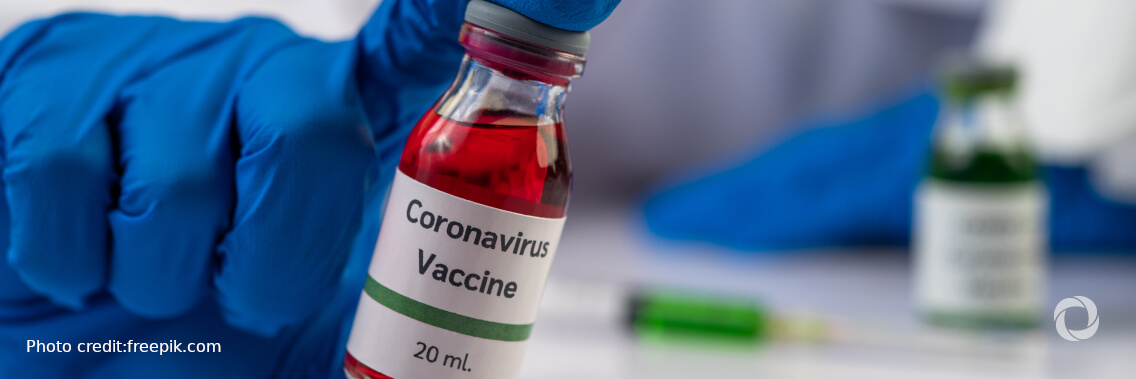
The European Commission has granted a conditional marketing authorisation (CMA) for the COVID‑19 vaccine developed by Moderna, the second COVID-19 vaccine authorised in the EU. This authorisation follows a positive scientific recommendation based on a thorough assessment of the safety, effectiveness, and quality of the vaccine by the European Medicines Agency (EMA) and is endorsed by the Member States.
The President of the European Commission, Ursula von der Leyen, said: “We are providing more COVID-19 vaccines for Europeans. With the Moderna vaccine, the second one now authorised in the EU, we will have a further 160 million doses. And more vaccines will come. Europe has secured up to two billion doses of potential COVID-19 vaccines. We’ll have more than enough safe and effective vaccines for protecting all Europeans.”
We are providing safe & effective #COVID19 vaccines for Europeans.
We have authorised the @moderna_tx vaccine, the 2nd vaccine approved in the EU.
Europe has secured so far 2 billion doses of potential vaccines – more than enough for protecting us all #StrongerTogether pic.twitter.com/Ujg4C997fK
— Ursula von der Leyen (@vonderleyen) January 6, 2021
Moderna submitted on 30 November 2020 an application for marketing authorisation to EMA, which had already started a rolling review of the data in November. Thanks to this rolling review, EMA has been assessing the quality, safety, and efficacy of the vaccine as data has become available. EMA’s human medicines committee (CHMP) has thoroughly assessed the data and recommended by consensus that a formal conditional marketing authorisation is granted. A conditional marketing authorisation is one of the EU’s regulatory mechanisms for facilitating early access to medicines that fulfill an unmet medical need, including in emergency situations such as the current pandemic.
On the basis of EMA’s positive opinion, the Commission has verified all the elements supporting the marketing authorisation and consulted Member States before granting the conditional market authorisation.
The Moderna vaccine is based on messenger RNA (mRNA). mRNA plays a fundamental role in biology, transferring instructions from DNA to the cells’ protein-making machinery. In an mRNA vaccine, these instructions produce harmless fragments of the virus, which the human body uses to build an immune response to prevent or fight disease. When a person is given the vaccine, their cells will read the genetic instructions and produce a spike protein, a protein on the outer surface of the virus which it uses to enter the body’s cells and cause disease. The person’s immune system will then treat this protein as foreign and produce natural defences — antibodies and T cells — against it.
Moderna, with whom the Commission signed a contract on 25 November, will deliver the total amount of 160 million doses between the first and the third quarters of 2021. It will add to the 300 million doses of the vaccine distributed by BioNTech/Pfizer, the first vaccine to have been authorised in the EU on 21 December 2020.