
Add us as your preferred source on Google to see more of our content in Search.
 Add to Preferred Sources
A recent briefing paper by IEEP sets out the damage that plastics can cause to our ocean environment, with complementary product briefs outlining the damage from micro-beads, polystyrene, and single-use plastics respectively.
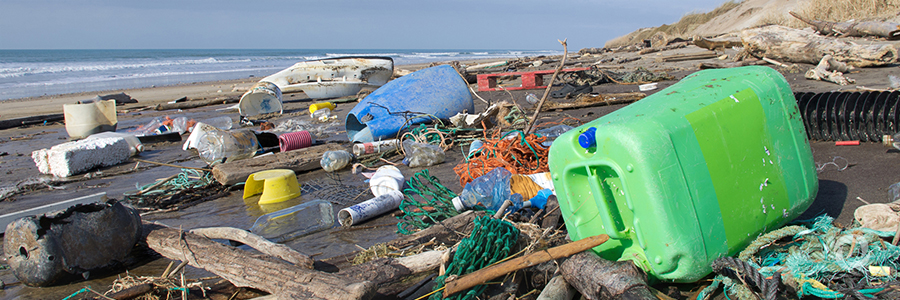
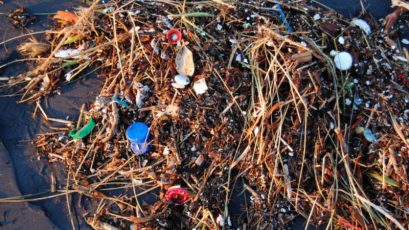
Up to 12.5 million tonnes of plastic enters the oceans as marine litter every year, creating huge environmental, social, and economic costs. And it’s not only the visible plastic causing damage: a new IUCN report shows that up to 30% of plastic pollution in the seas is caused by micro plastic particles, coming from products like personal care cosmetics, synthetic textiles and car tires.
 These are problems that need to be urgently solved if we are to move towards a more circular economy. The UN has just announced its own ‘Clean Seas’ campaign to tackle the plastics problem. In Europe, the European Commission has promised action to make plastics part of the circular economy. The EU plastics strategy is critical to addressing this, and the Commission is looking for ideas to include in its plan, which will be published by the end of the year.
So do we need to clean up our beaches, remove plastic from the sea, and fish it out of the oceans using booms, filters and gyres then?
The oceans can tell us what’s wrong, but the solutions need to start somewhere else, so that we stop plastics from entering the marine environment in the first place. We need to radically change the way we design plastics, not the way we dispose of them.
Whilst plastics are important materials, we need to stop designing products that are both materially inefficient and harmful to the environment.
Source: EURACTIV. Read full article.
27 April, 2017