
Add us as your preferred source on Google to see more of our content in Search.
 Add to Preferred Sources
The European Commission adopted a new EU Strategy on Adaptation to Climate Change, setting out the pathway to prepare for the unavoidable impacts of climate change. While the EU does everything within its power to mitigate climate change, domestically and internationally, we must also get ready to face its unavoidable consequences.
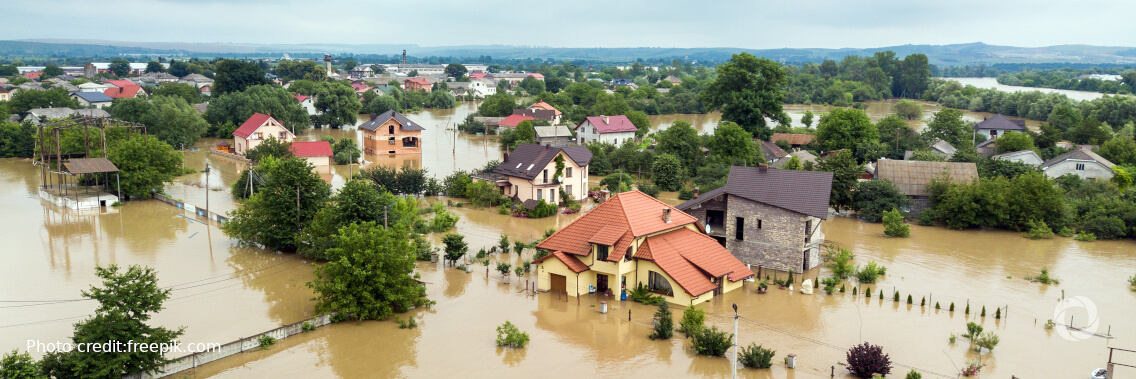
From deadly heatwaves and devastating droughts to decimated forests and coastlines eroded by rising sea levels, climate change is already taking its toll in Europe and worldwide. Building on the 2013 Climate Change Adaptation Strategy, the aim of the new proposals is to shift the focus from understanding the problem to developing solutions and to move from planning to implementation.
#EUGreenDeal will help us avoid the worst effects of climate change.
But from heatwaves to rising sea levels, we already see major damage in Europe & the world.
Today we present a Climate Adaptation Strategy to plan, prepare & reduce the impact on our health & livelihoods. pic.twitter.com/V0C1BPtPTR
— Ursula von der Leyen (@vonderleyen) February 24, 2021
Executive Vice-President for the European Green Deal, Frans Timmermans said: “The COVID-19 pandemic has been a stark reminder that insufficient preparation can have dire consequences. There is no vaccine against the climate crisis, but we can still fight it and prepare for its unavoidable effects. The impacts of climate change are already felt both inside and outside the European Union. The new climate adaptation strategy equips us to speed up and deepen preparations. If we get ready today, we can still build a climate-resilient tomorrow.”
Economic losses from more frequent climate-related extreme weather are increasing. In the EU, these losses alone already average over €12 billion per year. Conservative estimates show that exposing today’s EU economy to global warming of 3°C above pre-industrial levels would result in an annual loss of at least €170 billion. Climate change affects not only the economy but also the health and well-being of Europeans, who increasingly suffer from heat waves; the deadliest natural disaster of 2019 worldwide was the European heatwave, with 2500 deaths.
The action on climate change adaptation must involve all parts of society and all levels of governance, inside and outside the EU.
Adaptation actions must be informed by robust data and risk assessment tools that are available to all – from families buying, building, and renovating homes to businesses in coastal regions or farmers planting their crops. To achieve this, the strategy proposes actions that push the frontiers of knowledge on adaptation in order to gather more and better data on climate-related risks and losses, making them available to all. Climate-ADAPT, the European platform for adaptation knowledge, will be enhanced and expanded, and a dedicated health observatory will be added to better track, analyse and prevent health impacts of climate change.
Climate change has impacts at all levels of society and across all sectors of the economy, so adaptation actions must be systemic. The Commission will continue to incorporate climate resilience considerations in all relevant policy fields. It will support the further development and implementation of adaptation strategies and plans with three cross-cutting priorities: integrating adaptation into macro-fiscal policy, nature-based solutions for adaptation, and local adaptation action.
The EU will promote sub-national, national, and regional approaches to adaptation, with a specific focus on adaptation in Africa and Small Island Developing States.