
Add us as your preferred source on Google to see more of our content in Search.
 Add to Preferred Sources
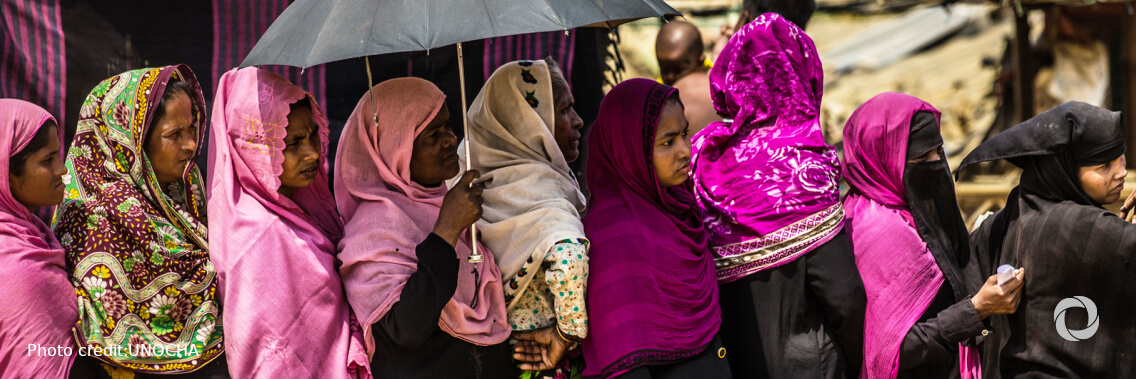
The political unrest in Myanmar has impacted the ability of humanitarians to respond to the needs of vulnerable communities, including internally displaced persons (IDPs) in the country’s conflict-affected areas, the UN Office for Coordination of Humanitarian Affairs (OCHA) said.
Factors such as the closure of banks, interruptions to payments and cash withdrawal systems, and reported an increase in the price of basic commodities like food and fuel in some areas, have affected relief efforts, according to a bulletin issued by the Office. Changes in counterpart entities and interlocutors, as well as access issues, have also affected programmes.
Relief actors are working to resume activities that have been paused in some parts of the country and the humanitarian community is committed to stay and deliver support to those in need, the bulletin noted, citing the UN Resident Coordinator and Humanitarian Coordinator.
“The UN and its partners have, for many years, been responding to humanitarian needs caused by conflict and natural disasters in Myanmar. It is our absolute intention to continue this work also under the current circumstances”, Ola Almgren said earlier this month.
According to OCHA, separate from the political strife, about one million people – affected by conflict and natural disasters – are in need of support and protection. Of that number, about 945,000 have been targeted for assistance through 2021, as outlined in a $276.5 million Humanitarian Response Plan, launched in January.
However, only $693,000 – less than 0.3 percent of the amount needed – has been raised.
Humanitarian access ‘remains constrained’
The Office said that humanitarian access, which was already challenging before the military takeover on 1 February, “remains constrained” due to safety concerns and administrative procedures, such as travel authorizations.
Access to parts of Shan, Kayin, and Bago region have been affected due to clashes, while at least a third of the displacement sites and half of the host communities in Rakhine state cannot be reached due to insecurity, OCHA added, reiterating the importance of safe and unimpeded access to deliver a timely and principled humanitarian response.
UN officials as well as bodies, including the Security Council, have also highlighted the need to ensure safe and unrestricted humanitarian access to all people in need.