
Millions of refugees and migrants deprived of access to basic services over pandemic-related movement restrictions

Add us as your preferred source on Google to see more of our content in Search.
 Add to Preferred Sources
The movement restrictions imposed throughout 2020 amid the coronavirus pandemic have badly affected migrants, refugees, and displaced people, depriving them of access to basic services, according to a report by the UN International Organization for Migration (IOM) and the Migration Policy Institute (MPI).
Last December alone, over 111,000 travel restrictions and border closures were put in place around the world thwarting “many people’s ability to pursue migration as a tool to escape conflict, economic collapse, environmental disaster, and other crises,” the report reads.
About 2,000 migrants, mainly from Haiti, African and Asian countries, seeking to reach the USA became marooned in the jungle in Panama without any support. Meanwhile, 1,200 Ethiopians travelling through Djibouti to the Arabian Peninsula became stranded as Yemen introduced stricter border controls, the report stated.
Border closures definitely impacted refugees with the number of new asylum applications falling by one-third in the first half of 2020 compared to the same period in 2019. According to the report, the number of displaced people returning to their areas or countries of origin was also lower with the number of internally displaced persons returning falling by 72% and the number of returning refugees falling by 22%.
At the same time, consular offices were closed in many countries, preventing migrants from obtaining visas or stay permits. Between March and May 2020 alone, the number of immigrant visas issued by US consulates dropped by 77% compared to the same period in 2019 (26,600 vs. 115,600) while the number of temporary non-immigrant visas decreased by 80% (488,000 vs 2.4 million), the IOM noted.
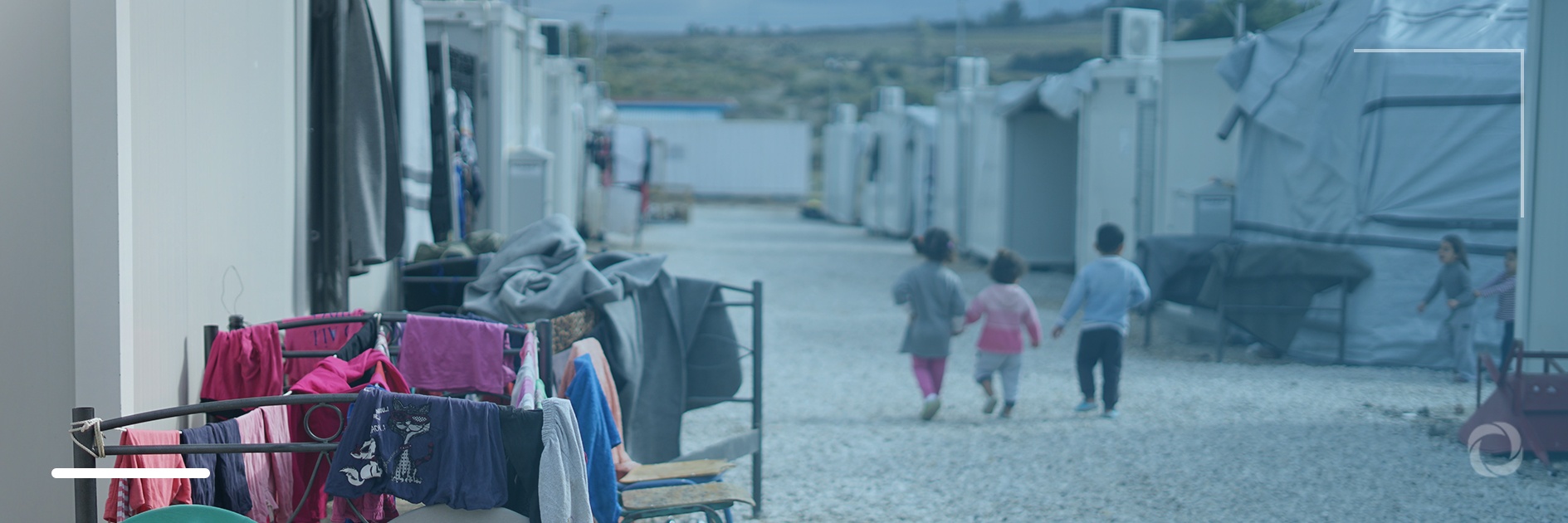
Border restrictions and closures also worsened the living conditions of displaced people, increasing the risk of infection, as is the case in overpopulated camps in Bangladesh and Greece. Many Venezuelan refugees who had fled to neighboring countries lost their jobs as most were employed in the informal sector which was among the worst hit by lockdowns.
At the same time, border restrictions rendered migrants and refugees more vulnerable to trafficking and exploitation as they fell victim to dishonest employment agencies or smugglers who exposed their lives to risk, the report highlighted.
Unlike people forced to move out of necessity, business travelers were not affected by movement restrictions and were able to continue to move freely.
“Their status and resource-based privileges may amplify existing inequalities related to nationality, including differences in visa processing times and access to visa-free travel,” IOM warned in its report.