
Add us as your preferred source on Google to see more of our content in Search.
 Add to Preferred Sources
In June 2021, the UNESCO Cluster Office for the Caribbean is embarking on an initiative to make World Heritage sites in Caribbean SIDS disaster resilient. The initiative supports the updating of the management plans of World Heritage Sites in five Caribbean countries to adapt them to the circumstances of current threats to cultural and natural heritage, particularly those associated with natural disasters.
The Caribbean Small Island Developing States are particularly vulnerable to natural disasters. Due to the increasing impact of climate change, natural disasters such as hurricanes, floods, droughts, and earthquakes tend to occur more frequently and more violently every year. This threatens not only the livelihoods of citizens but also the national cultural and natural heritage. The impacts are far-reaching and include damage to building fabric, social and cultural value, and socioeconomic impacts on local communities that benefit from the site.
With financial support from UNESCO, the disaster risk management (DRM) and climate change component of World Heritage management plans will be updated or included if not previously present. Relevant monitoring indicators will also be assessed and developed. The DRM/CC component aims to function as a stand-alone document.
The five World Heritage sites selected for the UNESCO initiative are:
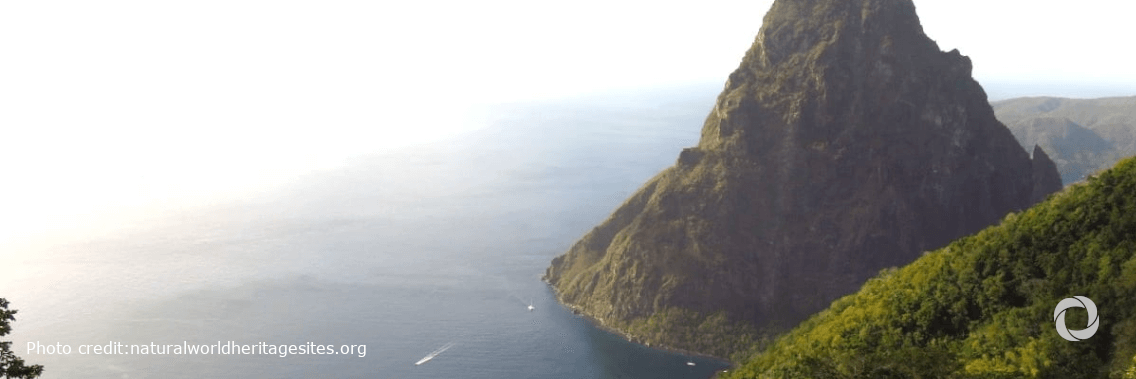
- Pitons Management Area in Saint Lucia
- Historic Bridgetown and its Garrison in Barbados
- Historic Area of Willemstad, Inner City and Harbour, Curaçao
- Brimstone Hill Fortress National Park in Sint Kitts and Nevis
- Blue and John Crow Mountains in Jamaica
The activities will be implemented in line with the five objectives that have been identified in the Strategy for Reducing Risks from Disasters at World Heritage Properties. These include strengthening support within relevant global, regional, national, and local institutions to reduce risks at world heritage properties; leveraging knowledge, innovation, and education to build a culture of disaster prevention at world heritage properties; identifying, assessing, and monitoring disaster risks at world heritage properties; reducing underlying risk factors at world heritage properties; and strengthening disaster preparedness at world heritage properties for effective response at all levels.