

Add us as your preferred source on Google to see more of our content in Search.
 Add to Preferred Sources
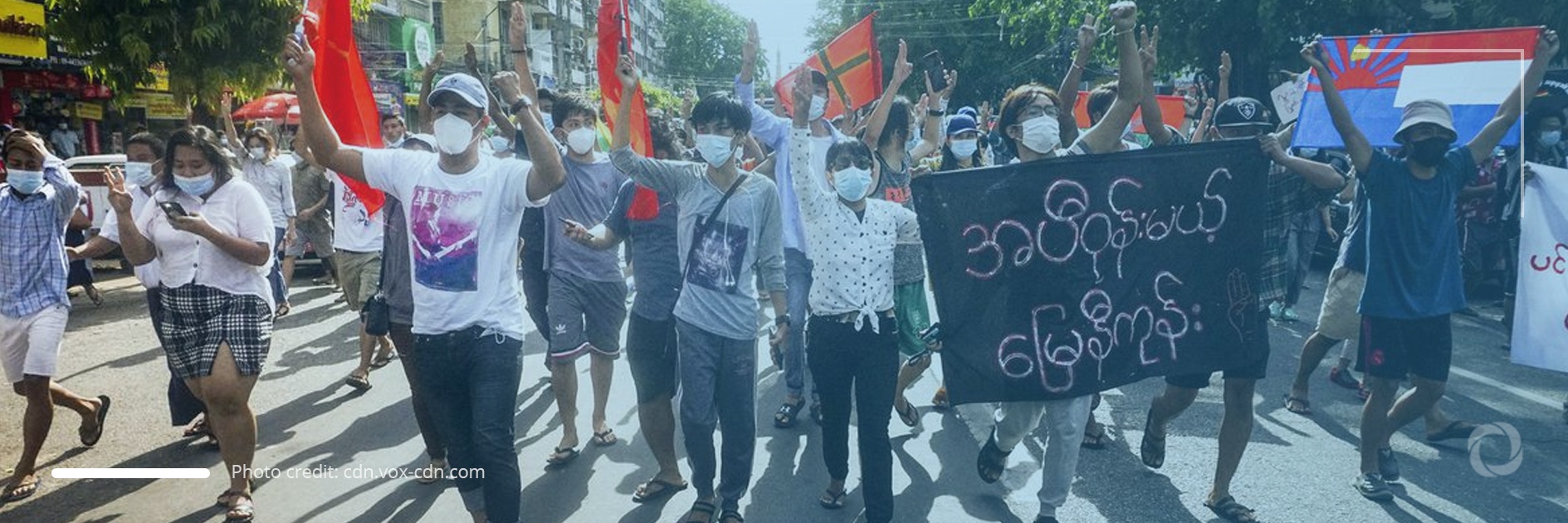
Myanmar is on the verge of a humanitarian crisis since the ongoing violent protests and clashes generated by a military coup d’état triggered a large wave of displacement. Food insecurity and health risks have reached new heights as the number of internally displaced people has exceeded 100,000 in just a few months.
The United Nations Office for the Coordination of Humanitarian Affairs (OCHA) has estimated that about 85,900 people were internally displaced in south-east Myanmar and 46,000 in the same area between April and May alone with a further 25,000 people internally displaced in the country’s northern states. All the displacements stem from the armed clashes between protesters and the military as well as food insecurity.
OCHA has reported that while some internally displaced people found shelter in churches and monasteries, many fled to forests and mountains to protect themselves against the junta. The UN agency has also revealed information about the casualties amongst civilians some of whom have been used as human shields by Myanmar Armed Forces (MAF).
Local organizations have warned that the hostilities may trigger food insecurity as people cannot return to their villages where they grow crops and farm livestock. Development aid workers have also told of cases of acute diarrhea mostly amongst children under five as a result of the lack of proper hygiene and access to good quality water. Sexual assaults against women and girls have also been reported.
Apart from violence, food insecurity, and displacements, civilians also have to contend with disruptions to the banking sector. The amount of money people can withdraw is limited and many stores and services do not accept cards or other forms of electronic payments. Problems with money transfers have also been also reported.
The fighting has impacted education as for some time now schools and universities have been closed and, although the junta has decided to reopen basic education schools from 1 July, regular attacks and explosions in school facilities are still being reported. Universities reopened on 5 May but in fact, only 10% of students returned. OCHA assessed that between 30% and 60% of the country’s teachers have participated in the Civil Disobedience Movement and thus many have been suspended and run the risk of being dismissed.
Aid workers also point out that the conflict is hampering the effective outreach of humanitarian assistance as in some areas the roads are either blocked or land mined.
On top of all these issues, the voices warning of a possible civil war have become increasingly numerous. Dr. Sasa, a spokesperson from Mynamar’s national unity government (NUG) which opposes the junta, claims that the country is on the brink of civil war.
“It is just the beginning. The situation will get out of control. Even if it is one man in a village, they will not just bow in front of these murderers. It is the whole country on the road to civil war,” he said.
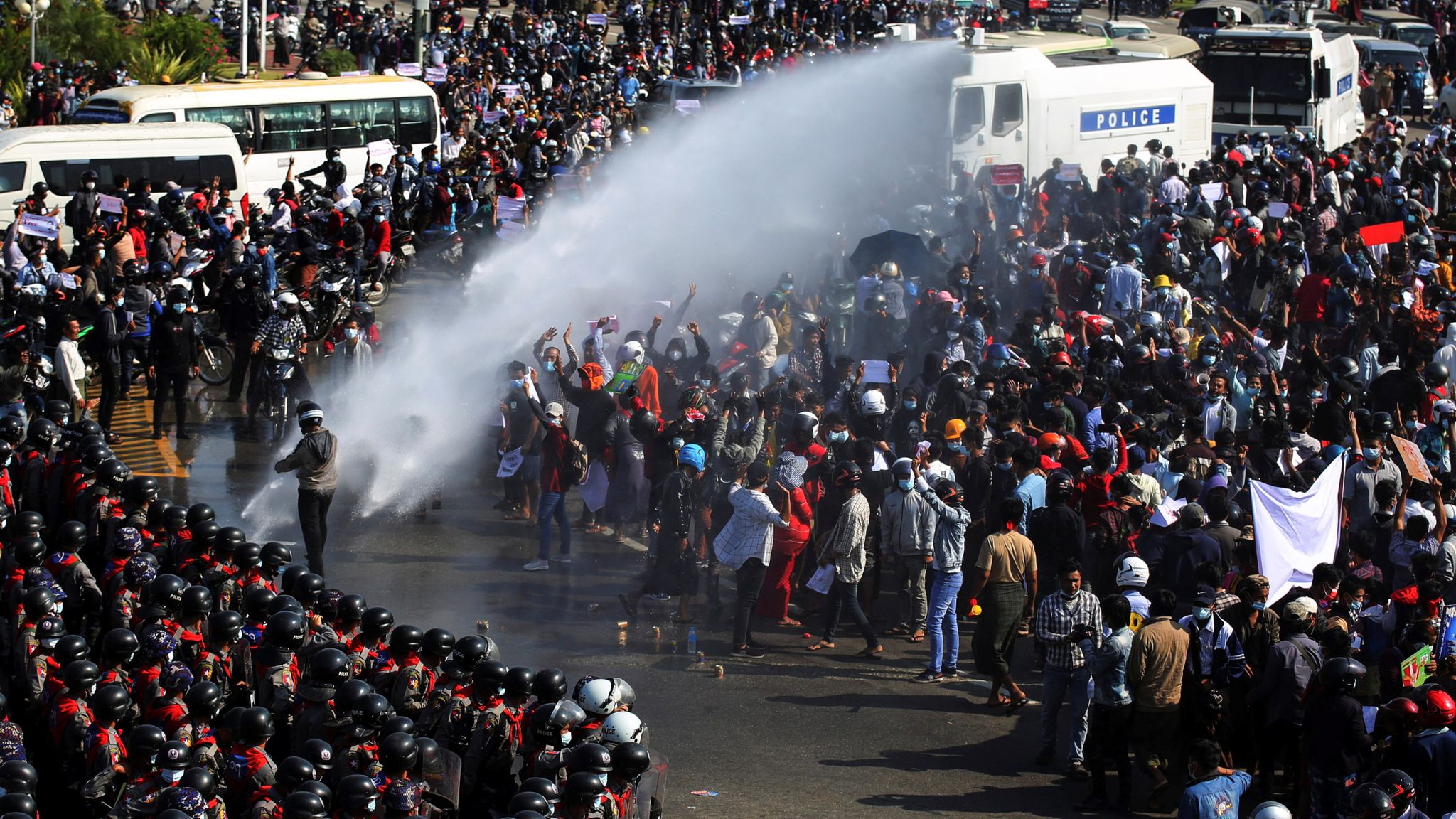
Myanmar has been ravaged by violent protests and deadly crackdowns since February when the military ousted the elected government thus bringing martial rule back to the country which had been striving for years to institute democratic norms. The initial peaceful protests began to turn into bloodshed from 20 February when the military cracked down on the participants of a general strike that brought together millions of protesters. Since then, at least 833 people have been killed, thousands wounded and many others have been detained.