

Add us as your preferred source on Google to see more of our content in Search.
 Add to Preferred Sources
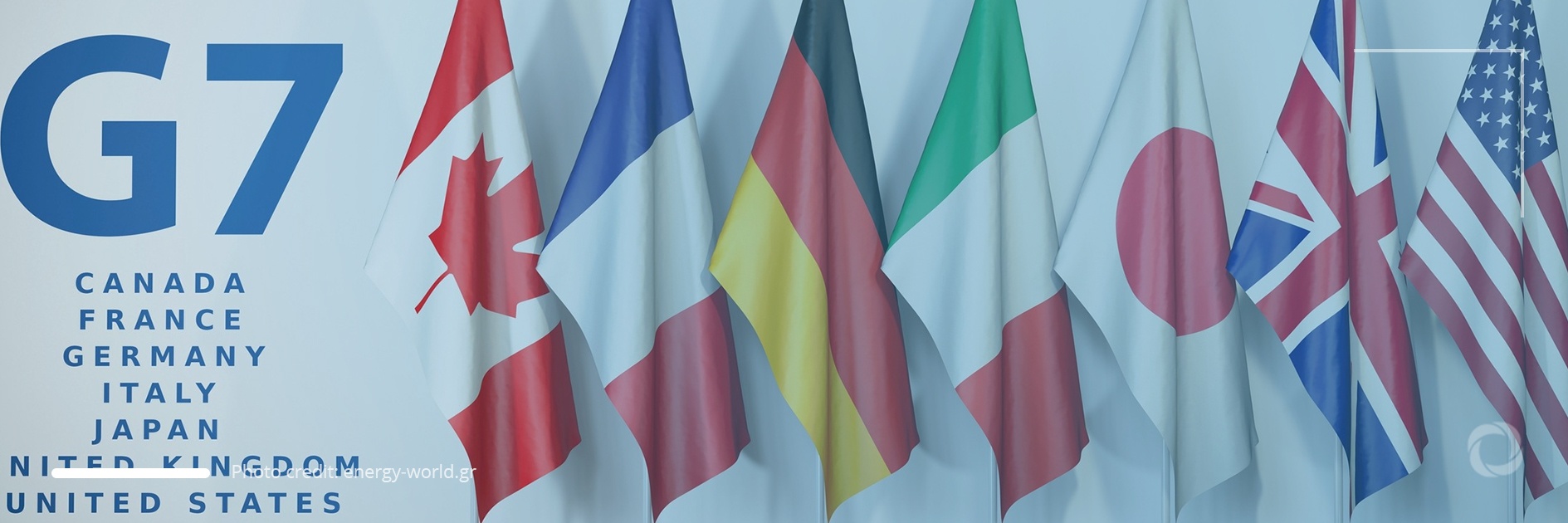
The leaders of the world’s seven largest economies discussed the most pressing global challenges at the G7 Summit held in Cornwall, UK on 11-13 June. The summit’s packed agenda also allowed a focus on the developing world with the world’s economic powers pledging support to help those countries fight the pandemic and handle climate change as well as cope with economic and financial issues. Nevertheless, with pre-summit expectations having been rather high, many of the G7 decisions were slammed as a “failure”.
Almost one billion doses of vaccine
As the COVID-19 pandemic continues to affect the poorest nations that have not been able to build herd immunity due to insufficient vaccines, the G7 leaders pledged to donate 870 million COVID-19 vaccines by the end of 2022, mostly via the UN-led COVAX platform. At the same time, they stressed that since the beginning of the pandemic, they had committed US$8.6 billion for vaccine procurement, sufficient for another more than one billion doses.
Commenting on the decision, UNICEF Executive Director, Henrietta Foe, stressed: “UNICEF thanks G7 member states for their significant pledges and continued support. However, much work remains to continue to ramp up both the amount and the pace of supply to the rest of the world […]. This crisis will not be over until it is over for everyone.”
As the World Health Organization has estimated that 11 billion doses will be needed to vaccinate at least 70% of the world’s population, the amount pledged by the G7 leaders has aroused waves of criticism from aid groups and politicians.
Former British Prime Minister Gordon Brown described the G7 summit as an “unforgivable moral failure” after a promise to “vaccinate the world.” “Millions of people will go unvaccinated and thousands of people, I’m afraid, will die,” he added.
Yet, U.S. President Joe Biden stressed during the summit that the commitments that the G7 leaders had made in Cornwall were not the end and further vaccine donations would follow.
Climate change
In terms of curbing climate changes in developing countries, the G7 leaders promised to move away from coal plants unless they are equipped with carbon capture technology. It was pledged at the G7 summit that new coal plants in developing countries would not be financed and US$2.8 billion would be allocated to help to stop this fuel being used.
Although the G7 members unveiled new initiatives aiming to deal with climate changes and environmental problems, no new funding was announced. It was expected that the G7 states would increase financial support for developing countries to help them reduce carbon dioxide emissions but nothing of the sort happened. The “Build Back Better World” announced by the British Prime Minister Boris Johnson is supposed to finance railways in Africa or wind farms in Asia but all those initiatives will be financed by the funds pledged by the G7 states in 2016 for the Paris Agreement. Back then, US$100 billion was committed to be allocated every year to curb climate changes by 2020 in developing countries but even this target has not so far been achieved.
Oxfam, a development aid NGO, has assessed that the G7 states, which should finance 80% of the fund according to the Paris Agreement, had been able to commit just US$36 billion by 2025.
The lack of additional funds to curb climate changes met with criticism from environmental and human rights organizations. Kirsty McNeill from Crack the Crises, a coalition of charities and NGOs including Save the Children and Oxfam, called the summit a “historic missed opportunity” on COVID-19 and climate change.
Development funding
The G7 leaders also considered providing financial support to “the most fragile countries” in the form of debt relief, development finance and support through the International Monetary Fund. The participants at the summit placed the emphasis on Africa, announcing that multilateral partners were set to invest at least US$80 billion into the country’s private sector over the next five years to back its economic recovery and growth.
“For some years already, with some leaders in Europe we have been convinced that this engagement with Africa needs to be at the heart of our future international relations. Increasingly, we’ve been able to unify the positions of European countries on this issue and now we have convinced our partners to further mobilise funds to secure a win-win strategy for Africa and Europe,” said European Council President Charles Michel.
The G7 leaders also pledged to deliver education to 40 million more girls globally and called upon China to respect human rights in relation to reports concerning abuse against the Uyghur Muslim minority.