
Add us as your preferred source on Google to see more of our content in Search.
 Add to Preferred Sources
One of the world’s largest economies, India, is struggling with the side effects of global warming which could cost the country as much as a 3% loss in GDP if the global temperature rises by 1°C according to the latest data published by the UK-based think tank, the Overseas Development Institute (ODI). Some forecasts project that the loss may be even higher if climate changes are not seriously addressed.
Should the global temperature increase by 1°C, this will cost India 3% of GDP every year. In the worst-case scenario, if the global temperature was to rise by 3°C, i.e. humanity fails to stop global warming, then India would lose about 10% of its GDP every year, the ODI states. In the meantime, data revealed by the Indian government shows that India has already seen the temperature rise by 0.62°C over the past 100 years.
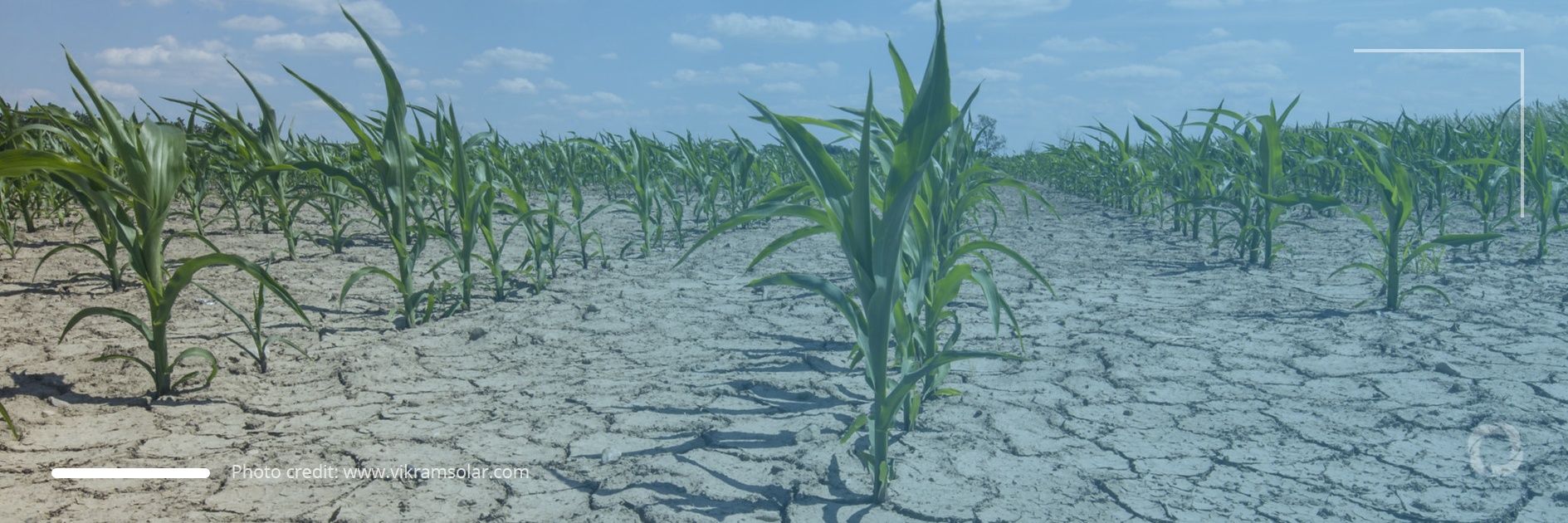
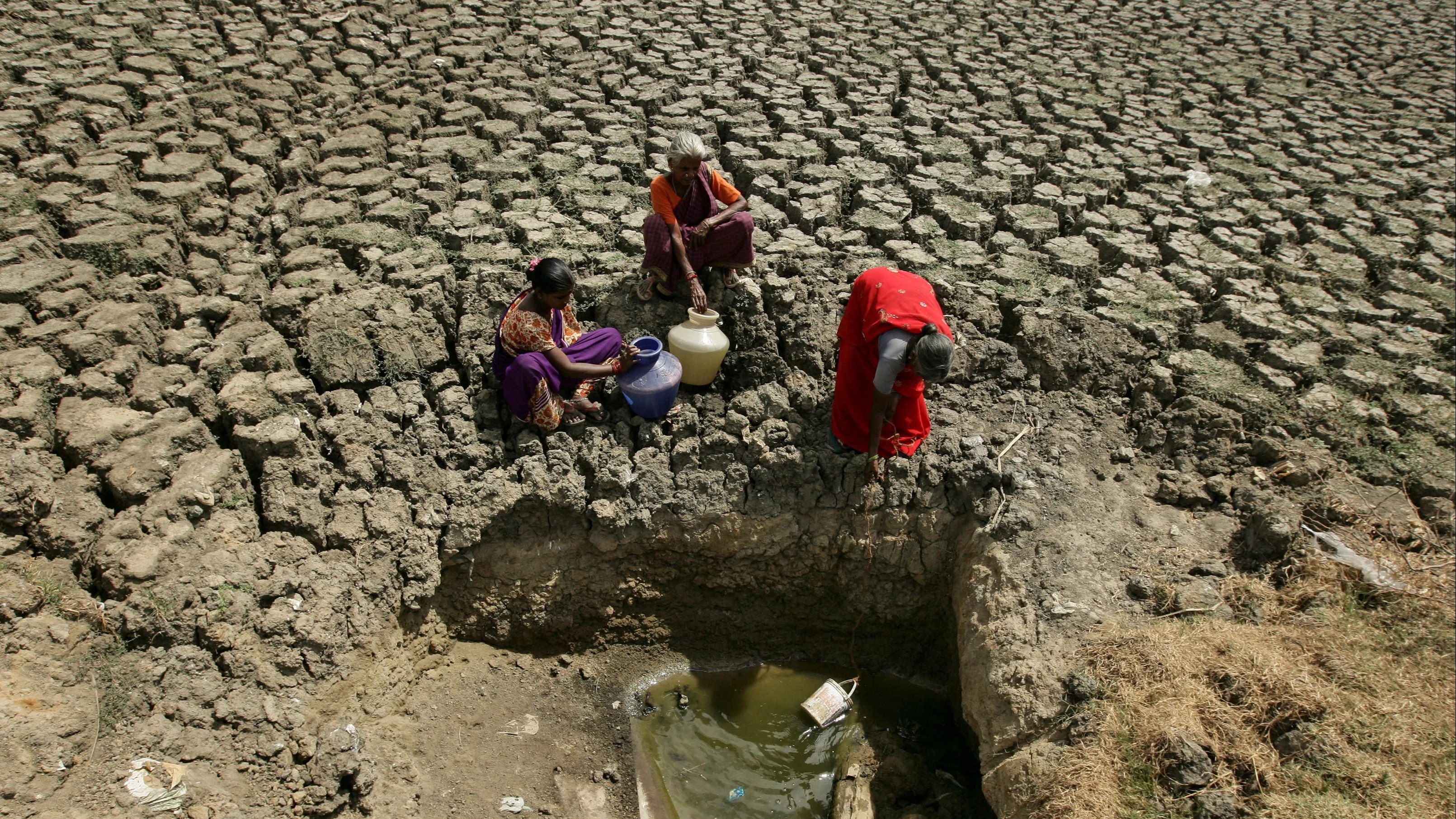
India is already experiencing severe heatwaves with temperatures hitting 48°C in 2020. While heavy rainfalls have increased threefold since 1950, in some areas it is extremely dry which affects about one billion people who experience water scarcity for at least one month a year.
Rising sea levels threaten those living in coastal areas and, as seawater becomes warmer, this also fuels cyclones and heavy rains which are becoming stronger and more frequent and cause flooding. In 2020, just one single cyclone, Amphan, impacted 13 million people and caused damage amounting to US$13 billion.
As climate change slows down the reduction in poverty and inequality, this directly impacts economic growth. Indian districts that have warmed the quickest have also experienced the greatest GDP loss, growing 56% less than those areas that have warmed more slowly, the report revealed.
Extreme weather events result in a decrease in agricultural production and a rise in food prices. The increase in temperature could also reduce daytime working hours as people are unable to work in temperatures that are very high.
“If action is not taken to cut emissions to limit the global temperature rise to 1.5 degree C, the human and economic toll will rise even higher,” said Angela Picciariello, senior research officer at ODI and one of the report’s authors.
Before the pandemic, India’s economy was steadily growing and poverty was gradually being reduced. However, the pandemic has caused a drop in income levels as 100 million jobs have been lost as a result of lockdowns and 15 million people failed to regain employment after the restrictions were lifted. While the average monthly income in January 2020 was about US$81, in October this fell to around US$67 and it is estimated that the income of every Indian dropped by US$136 for the fiscal year 2020-2021.
Under the Paris Agreement, India set three major goals for 2020-2030 that aimed to mitigate the effects of climate change – to increase the share of non-fossil fuels to 40% of the total electricity generation capacity, to reduce the emission intensity of the economy by 33-35% by 2030 and to reduce carbon emissions by 2.5 -3 billion tons through afforestation.