
Add us as your preferred source on Google to see more of our content in Search.
 Add to Preferred Sources
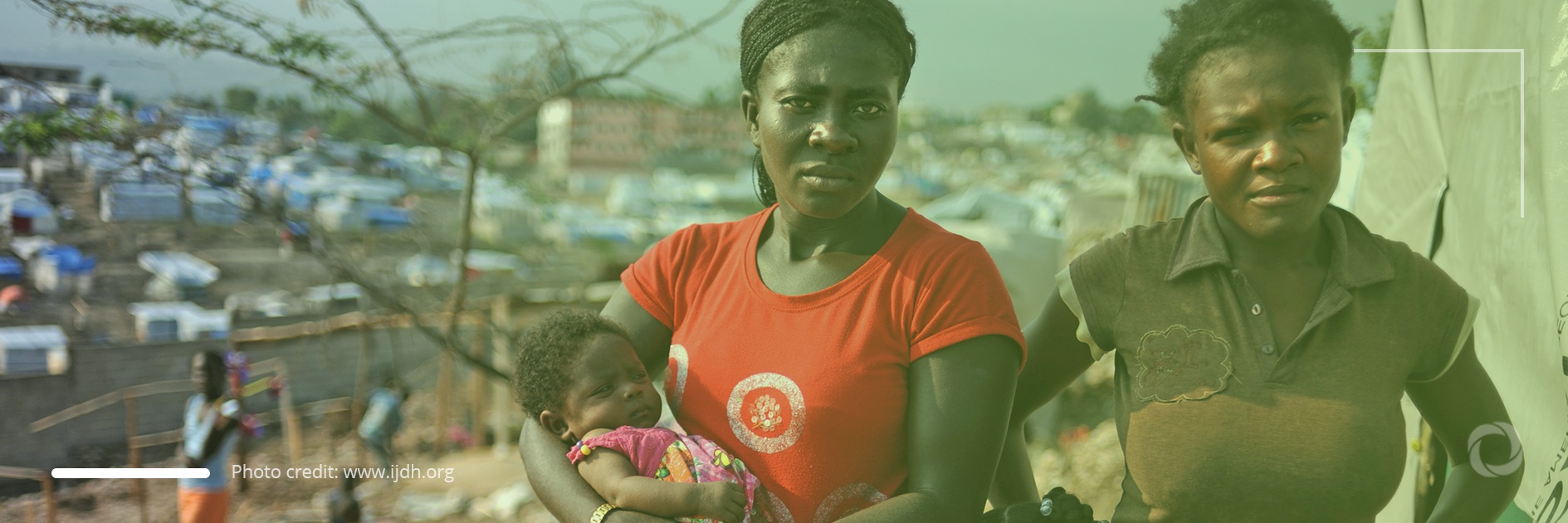
An ongoing wave of gang violence in Haiti has led to the displacement of 8,500 women and children within just two weeks, UNICEF has reported, advising that they are in need of urgent assistance.
The displacements occurred in areas of the capital, Port-au-Prince, when new clashes between armed gangs were ignited at the beginning of June. The violence forced 2,045 women and 2,146 children from their homes leaving them to look for shelter in other parts of the capital such as Carrefour and Bas Delamas. UNICEF also reported that about 2,095 women and 2,199 children were being hosted by other families in Carrefour and other neighborhoods. Meanwhile, the gangs burned or damaged the homes they had left.
“Every time, clashes between armed groups are more violent and every time more women and children are forced to flee their homes. Since the beginning of this year, insecurity has been escalating. But the capital city is now facing an urban guerrilla war, with thousands of children and women caught in the crossfire. The displaced families I’ve talked to have lost everything and urgently need clean water, food, personal hygiene items, mattresses, blankets, and clothes,” said Bruno Maes, UNICEF Haiti Representative.
In the last nine months, the violent clashes between gangs have forced at least 13,900 people to flee their homes in Port-au-Prince, including 5,695 women and 5,984 children. The UN estimates that a total of 650,000 people are currently displaced in Haiti with 500,000 of them in the capital.
The violence not only leads to enforced displacements but also puts people’s health and lives at stake. Haiti is currently struggling with its highest levels of COVID-19 cases since the beginning of the pandemic. Between 3 and 16 June, almost 2,000 infections were recorded while the total number of cases as of 16 June 2021 was 16,662 and there were 358 deaths. Those infected are afraid to attend clinics due to the ongoing violence.
“COVID-19 cases in Haiti have never been so high since the beginning of the pandemic, but right now, some patients are dying because armed gang violence prevents ambulances from reaching them with oxygen and emergency treatment,” said Bruno Maes.
Moreover, it is hard to keep health facilities open as they have also become a target of the gangs.
According to Doctors Without Borders, “At a time when we should be scaling up because of COVID-19 and other needs, we are struggling to keep our existing facilities open due to insecurity.”
Haitians are afraid to send their children to school due to gang fights and violence. According to UNICEF, one out of five young people think that violence is one of the main reasons why children fail to attend school.
Pierre Espérance, the executive director of the Haitian National Human Rights Defense Network, says that gang’s control around 60% of the country. Since 2018, 12 massacres have been reported and the situation continues to deteriorate.
UNICEF has estimated that 1.5 million people in Haiti, including 700,000 children, require urgent humanitarian assistance which is why it is seeking US$48.9 million to meet basic needs but as yet it has failed to find these funds.