
Add us as your preferred source on Google to see more of our content in Search.
 Add to Preferred Sources
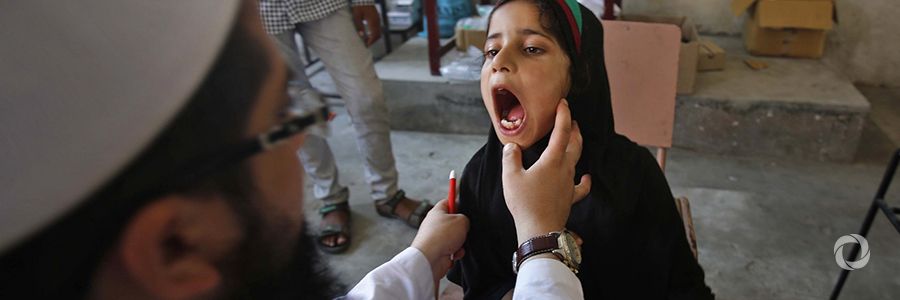
UNICEF procured 2.5 billion doses of vaccines to children in nearly 100 countries in 2016, reaching almost half of the world’s children under the age of five. The figures, released during World Immunization Week, make UNICEF the largest buyer of vaccines for children in the world.
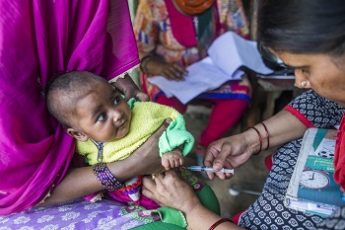 Nigeria, Pakistan and Afghanistan, the three remaining polio-endemic countries, each received more doses of vaccines than any other country, with almost 450 million doses of vaccines procured to children in Nigeria, 395 million in Pakistan and over 150 million in Afghanistan. Access to immunization has led to a dramatic decrease in deaths of children under five from vaccine-preventable diseases, and has brought the world closer to eradicating polio.
Yet an estimated 19.4 million children around the world still miss out on full vaccinations every year. Around two thirds of all unvaccinated children live in conflict-affected countries. Weak health systems, poverty and social inequities also mean that 1 in 5 children under five is still not reached with life-saving vaccines.
“In addition to children living in rural communities where access to services is limited, more and more children living in overcrowded cities and slum dwellings are also missing out on vital vaccinations. Overcrowding, poverty, poor hygiene and sanitation as well as inadequate nutrition and health care increase the risk of diseases such as pneumonia, diarrhea and measles in these communities; diseases that are easily preventable with vaccines,” Dr. Robin Nandy, Chief of Immunization at UNICEF.
By 2030, an estimated 1 in 4 people will live in urban poor communities, mainly in Africa and Asia, meaning the focus and investment of immunization services must be tailored to the specific needs of these communities and children.