



USAID E&E Bureau/TSO/EI Division -Cybersecurity Protection and Response (CPR) program
Last update: Jan 4, 2024
USAID E&E Bureau/TSO/EI Division -Cybersecurity Protection and Response (CPR) program
Last update: Jan 4, 2024

Details

Location:
Albania, Armenia, Azerbaijan, Bo ...
Albania, Armenia, Azerbaijan, Bosnia and Herzegovina, Georgia, Kosovo, Moldova, Montenegro, North Macedonia, Romania, Serbia, Ukraine
Contract type:
Consulting services
Status:
Awarded
Sectors:
ICT & Telecommunications, Organizational development
Languages:
English
Contracting authority type:
Development Institution
Eligibility:
Organisation
Budget:
N/A
Date posted:
Apr 13, 2023

Attachments • 3

awar.. .

Jan 4, 2024

atta.. .

Apr 13, 2023

requ.. .

Apr 13, 2023

Associated Awards • 1

USAI...
Available with membership·See plans

Project cycle timeline

STAGES
EARLY INTELLIGENCE
PROCUREMENT
IMPLEMENTATION
Cancelled
Status
Programming
Formulation
Approval
Forecast
Open
Closed
Shortlisted
Awarded
Evaluation
Want to unlock full information?
Member-only information. Become a member to access this information. Procurement notices from over 850+ sources of tenders and grants published by donors, development banks, foundations, and international financial institutions (IFIs) are available here.

Description

USAID E&E Bureau/TSO/EI Division -Cybersecurity Protection and Response (CPR) program

General Information:

  • Contract Opportunity Type: Sources Sought (Original)
  • All Dates/Times are: (UTC-04:00) EASTERN STANDARD TIME, NEW YORK, USA
  • Original Published Date: Apr 12, 2023 08:48 am EDT
  • Original Response Date: Apr 26, 2023 03:00 pm EDT
  • Inactive Policy: 15 days after response date
  • Original Inactive Date:
  • Initiative:
    • None

Classification:

  • Original Set Aside:
  • Product Service Code: R425 - SUPPORT- PROFESSIONAL: ENGINEERING/TECHNICAL
  • NAICS Code:
    • 541519 - Other Computer Related Services
  • Place of Performance:
    UKR

Description:

The purpose of the CPR activity is to strengthen the cybersecurity capabilities of host governments and critical infrastructure operators in the Europe and Eurasia (E&E) region to protect against and respond to cyberattacks on key civilian infrastructure.

The CPR activity’s key objectives are listed below:

  1. To strengthen capabilities of host government agencies and critical infrastructure operators to identify, protect, detect, respond to, and recover from cyberattacks. 
  2. To equip host government agencies and critical infrastructure operators with the capabilities to procure, integrate and maintain hardware and software solutions that improve cyber defense of critical assets and systems.
  3. To improve information sharing of threats and incidents, through established networks and formal/informal procedures, between national and industry counterparts throughout the region, Europe, and the United States.
  4. To bolster the capabilities of cybersecurity personnel in Europe and Eurasia, both in host governments and critical infrastructure operators, to perform effective response and recovery from cybersecurity incidents, including the implementation of protection measures as part of ex-post remediation measures.
  5. To establish mechanisms and policies to attract, train, and retain cybersecurity personnel within host government civilian agencies and critical infrastructure operators.

The CPR will focus on the following tasks:

Task #1 - Deployment of Rapid Response and Recovery Teams

Task #2 - Strengthening Cybersecurity Capabilities of Host Government Agencies and Critical Infrastructure Operators

Task #3 - Supporting Government Agencies and Critical Infrastructure Operators with Identification, Prioritization, and Procurement of Technology Solutions

Task # 4 - Establish and/or Improve Regional, National, and/or Sectoral Information Sharing Platforms

Task # 5 - Bolster the capabilities of host government and critical infrastructure cyber personnel in the E&E region to perform effective response and recovery from cybersecurity incidents

Task #6 - Establish mechanisms and policies to attract, train, and retain cybersecurity personnel across agencies and critical infrastructure operators

Hidden

Contact Details • 2

Available with membership·See plans

Market Intelligence

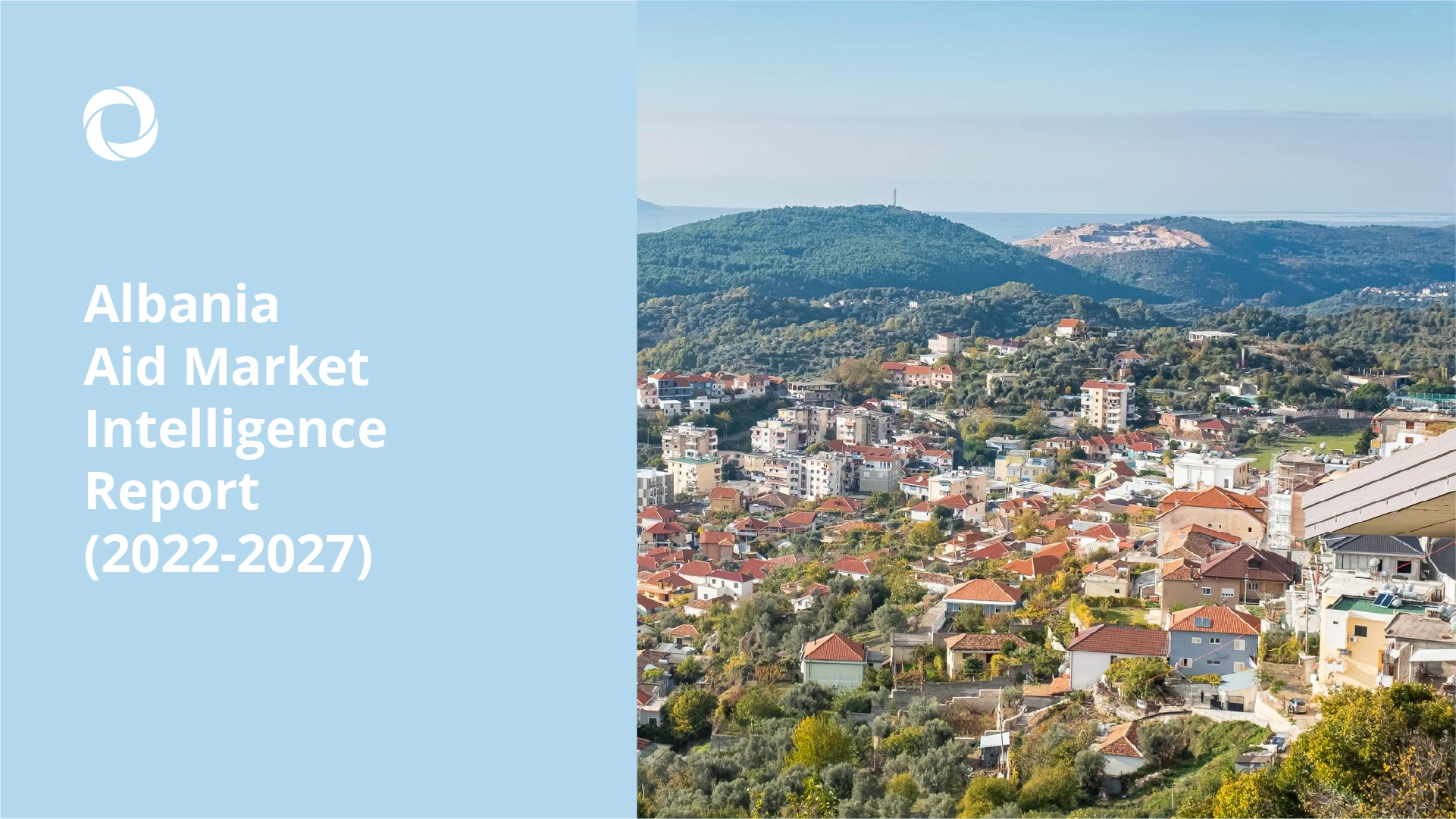
Discover the Albania market report

Explore key market trends, active sectors, major donors, and business opportunities across the development landscape.

View report
tender Background

About the Funding Agency

The United States Agency for International Development ( USAID) is the federal government agency that leads worldwide development and humanitarian efforts to save lives, lessen poverty, enhance democratic government, and support people to move beyond reliance on aid. The mission is to promote and demonstrate democratic values abroad and advance a free, peaceful, and prosperous world.

USAID has offices around the world, in all the countries where it leads projects and helps the vulnerable population in countries such as Namibia, Laos, Libya, Barbados, Maldives, Palestine/West Bank & Gaza, Germany, Cote d'Ivoire, USA, Paraguay, Ecuador, Nicaragua, USA, Panama, Guinea, Angola, Sierra Leone, Mongolia, USA, Madagascar, Morocco, Kazakhstan, Lebanon, Myanmar, Jamaica, Bolivia, Peru, Zimbabwe, Nepal, and the Philippines.

USAID has hundreds of ongoing projects and funds in the world, the main responsibilities being to promote global health, support global stability, provide humanitarian assistance, catalyze innovation and partnership and empower women and girls. USAID engaged with African nations at an early stage and has since acted in partnership to achieve common interests and ideals from security to global health to climate change to freedom and democracy to shared wealth.

USAID also plays a crucial role in collaborating with Asian nations to ensure that the development decisions they make today help them to achieve long-term success by advancing countries on their paths to consciousness. In Europe and Eurasia, USAID continues to confront massive corruption, political stagnation, severe poverty, and underdeveloped policy and regulatory systems.

About the Sectors

ICT & Telecommunications

Features information and communication technologies, digital systems, and telecommunications infrastructure and services.


Key areas:
  • ICT systems, software, and digital solutions
  • Telecommunications networks and services
  • Digitalization, data, and communication tools

Organizational development

Focuses on strengthening institutional capacity, improving performance, and supporting organizational change and sustainability.


Key areas:
  • Institutional and organizational assessments
  • Strategic planning and restructuring
  • Performance improvement and governance reforms
  • Human resources and operational processes

Locations

Albania

Albania focuses on road modernization, rail upgrades, port expansion, and energy infrastructure to improve regional integration and support economic growth. EU cohesion and pre-accession funds are a major source of infrastructure financing. Investments aim to strengthen trade links with neighboring countries and enhance tourism accessibility. Governance reforms, fiscal capacity, and project implementation efficiency remain critical challenges.

Nr. of tenders: 7089
Nr. of grants: 2990
Nr. of donors: 533
Nr. of jobs: 22

Armenia

Armenia has prioritised transport corridor upgrades, renewable energy expansion and digital infrastructure to enhance regional integration and competitiveness. Investments aim to strengthen Armenia’s role as a transit and services economy between Europe and Asia. The government has implemented regulatory reforms and sought foreign direct investment to modernise logistics and energy systems. Continued institutional strengthening and diversification beyond remittances and mining remain central to long-term resilience.

Nr. of tenders: 10747
Nr. of grants: 3043
Nr. of donors: 539
Nr. of jobs: 49
Frequently Asked Questions
Haven't found what you're looking for? Get in touch with us using our contact page.
Where can I find international tenders?
DevelopmentAid aggregates international tenders from major donors, development banks, UN agencies and governments in one searchable platform.
Who can apply for tenders listed on DevelopmentAid?
Tenders are typically open to consulting firms, NGOs, companies, and sometimes individual consultants, depending on the eligibility criteria set by the donor.
How do I apply for a tender?
DevelopmentAid does not submit tenders on your behalf. Each tender listing includes official documents and instructions explaining where and how to apply directly to the contracting authority.
What documents are usually required for a tender application?
Most tenders require a technical proposal, financial offer, company profile, references, and legal documents. Exact requirements are listed in each tender notice.