


North Africa Fund III
Last update: 11 days ago
North Africa Fund III
Last update: Oct 20, 2026

Details

Location:
Egypt, Morocco, Tunisia
Status:
Approval
Sectors:
Private Sector & Trade
Languages:
English, French
Contracting authority:
Contracting authority type:
Consulting organization
Eligibility:
Unknown
Budget:
USD 300,000,000
Date posted:
May 10, 2023

Attachments • 6

naf_.. .

Oct 20, 2026

naf_.. .

Sep 29, 2026

Sign.. .

Dec 5, 2024

Appr.. .

Feb 15, 2024

Pass.. .

Dec 11, 2023

Conc.. .

May 12, 2023

Associated Awards

There are no awards associated with this tender.
Available with membership·See plans

Project cycle timeline

STAGES
EARLY INTELLIGENCE
PROCUREMENT
IMPLEMENTATION
Cancelled
Status
Programming
Formulation
Approval
Forecast
Open
Closed
Shortlisted
Awarded
Evaluation
Want to unlock full information?
Member-only information. Become a member to access this information. Procurement notices from over 850+ sources of tenders and grants published by donors, development banks, foundations, and international financial institutions (IFIs) are available here.

Description

North Africa Fund III Location: Regional Project number: 53789 Business sector: Equity funds Notice type: Private Environmental category: FI Approval date: 29 Nov 2023 Status: Exploratory PSD disclosed: 09 May 2023 Project DescriptionProvision of an equit
Hidden

Contact Details • 1

Available with membership·See plans

Market Intelligence

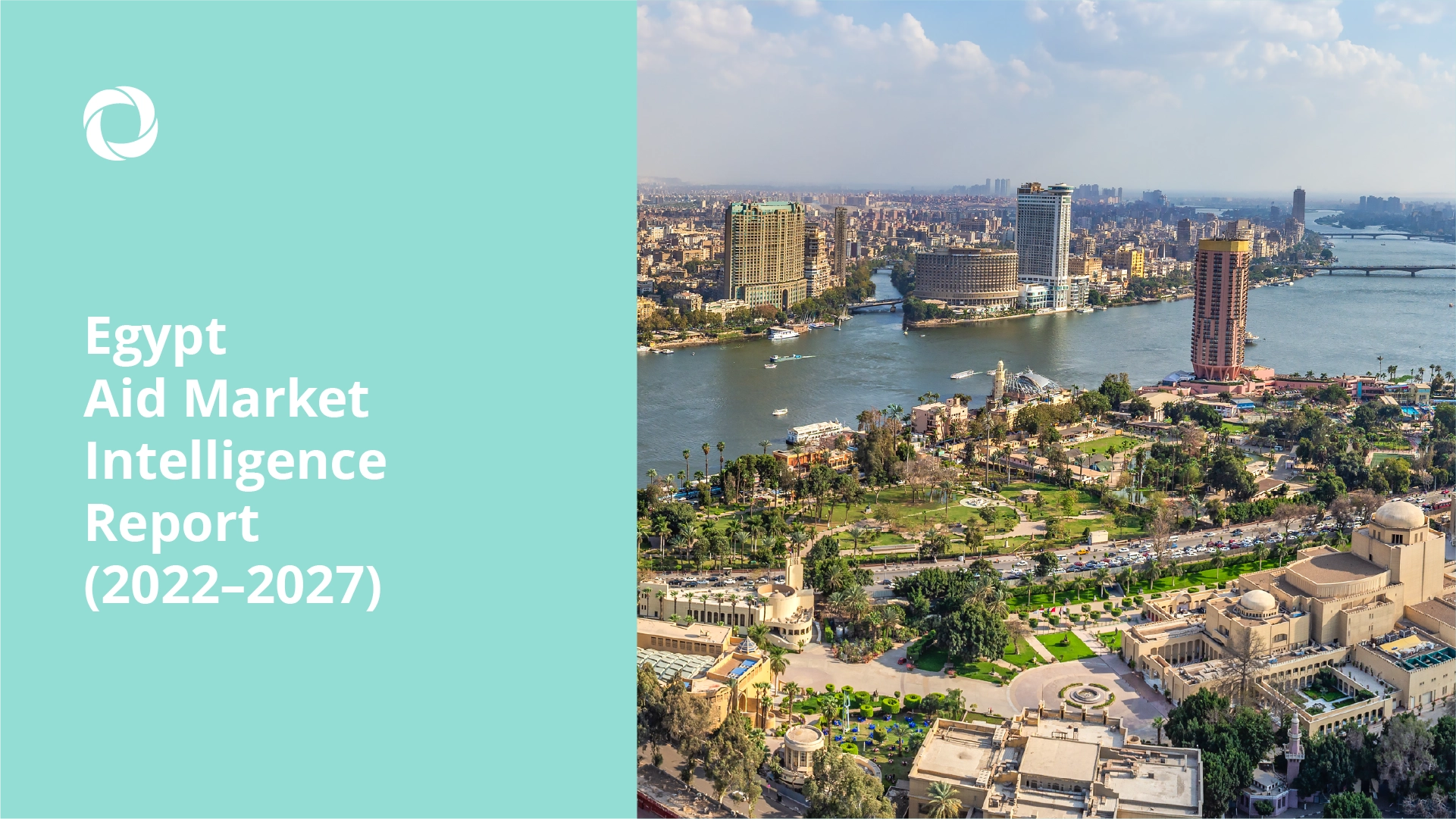
Discover the Egypt market report

Explore key market trends, active sectors, major donors, and business opportunities across the development landscape.

View report
tender Background

About the Funding Agency

African Development Bank (HQ)

The African Development Bank is a regional multilateral development finance institution, established in 1963, with a mandate to further economic development and social progress of African countries, individually and collectively. 80 member countries including all the 54 African countries and 26 non-African countries in the Americas, Europe and Asia own the Bank. 

The Bank's principal functions include:
  1. using its resources for the financing of investment projects and programs relating to the economic and social development of its Regional Member Countries (RMCs);
  2. the provision of technical assistance for the preparation and execution of development projects and programs;
  3. promoting investment in Africa of public and private capital for development purposes; and (iv) to respond to requests for assistance in coordinating development policies and plans of RMCs. In its operations, the Bank is also required to give special attention to projects and programs that promote regional integration.
The Bank began its operations from its headquarters, in Abidjan, Côte d’Ivoire on July 1, 1966. For the purpose of its operations, the Bank also maintains Regional Resource Centers and Field Offices within RMCs.
 
For projects financed by the Bank resources, the charter requires suppliers for contracts for institutional activities and projects to be nationals of a member country. Only bidders from a member country of the Bank are eligible to participate in the procurement process. For goods to be eligible, they must originate from a member country.

About the Sectors

Private Sector & Trade

Entails initiatives that promote entrepreneurship, strengthen competitive markets, and expand domestic and international trade opportunities.


Key areas:
  • Private sector development and SME/MSME support
  • Entrepreneurship, start-ups, and business growth initiatives
  • Trade facilitation, import/export, and market access
  • Commerce, retail/wholesale, and free trade mechanisms

Locations

Egypt

Egypt has undertaken one of its most ambitious infrastructure investment programs in history, with hundreds of billions of dollars allocated to transport networks, new urban developments, energy and water systems, and industrial zones that underpin economic diversification and regional integration. These investments - including extensive road and rail expansion, smart city initiatives, and major renewable and utility projects - have enhanced Egypt’s position as a logistics and production hub while supporting macroeconomic stability and private sector growth. Public service delivery indices rank the country highly in infrastructure quality among Africa’s economies, though reforms continue to improve the regulatory climate and attract foreign investment.

Nr. of tenders: 14447
Nr. of grants: 3694
Nr. of donors: 755
Nr. of jobs: 59

Morocco

Morocco has positioned infrastructure investment at the centre of its economic strategy, with major projects in transport, renewable energy, logistics and industrial zones reinforcing its role as a regional hub between Europe and Africa. Expansion of high-speed rail, port capacity and solar and wind energy projects has strengthened connectivity and export competitiveness. Continued reforms in public-private partnerships, energy transition policy and industrial development aim to deepen diversification and enhance long-term resilience.

Nr. of tenders: 17310
Nr. of grants: 3751
Nr. of donors: 763
Nr. of jobs: 52
Frequently Asked Questions
Haven't found what you're looking for? Get in touch with us using our contact page.
Where can I find international tenders?
DevelopmentAid aggregates international tenders from major donors, development banks, UN agencies and governments in one searchable platform.
Who can apply for tenders listed on DevelopmentAid?
Tenders are typically open to consulting firms, NGOs, companies, and sometimes individual consultants, depending on the eligibility criteria set by the donor.
How do I apply for a tender?
DevelopmentAid does not submit tenders on your behalf. Each tender listing includes official documents and instructions explaining where and how to apply directly to the contracting authority.
What documents are usually required for a tender application?
Most tenders require a technical proposal, financial offer, company profile, references, and legal documents. Exact requirements are listed in each tender notice.