


Ecosystem Restoration: integrated and innovative approaches to restore degraded ecosystems
Last update: Aug 9, 2023
Ecosystem Restoration: integrated and innovative approaches to restore degraded ecosystems
Last update: Aug 9, 2023

Details

Location:
Angola, Brazil, Cambodia, Chad, ...
Angola, Brazil, Cambodia, Chad, Cote d'Ivoire, Dem. Rep. Congo, Haiti, Madagascar, Mali, Mauritania, Mexico, Mozambique, Nepal, Peru, Rwanda, Sao Tome and Principe, Sierra Leone, South Africa, Uzbekistan, Vietnam
Status:
Formulation
Sectors:
Environment & Climate
Languages:
English
Eligibility:
Unknown
Budget:
USD 1,811,361,239
Date posted:
Aug 9, 2023

Attachments • 3

gefs.. .

Aug 9, 2023

prog.. .

Aug 9, 2023

scre.. .

Aug 9, 2023

Associated Awards

There are no awards associated with this tender.
Available with membership·See plans

Project cycle timeline

STAGES
EARLY INTELLIGENCE
PROCUREMENT
IMPLEMENTATION
Cancelled
Status
Programming
Formulation
Approval
Forecast
Open
Closed
Shortlisted
Awarded
Evaluation
Want to unlock full information?
Member-only information. Become a member to access this information. Procurement notices from over 850+ sources of tenders and grants published by donors, development banks, foundations, and international financial institutions (IFIs) are available here.

Description

Ecosystem Restoration To generate multiple durable global environmental and socioeconomic benefits by applying integrated and innovative approaches to restore degraded ecosystems. · 2,228,334 ha. of land and ecosystems under restoration · 10,606,230 ha. o
Hidden

Market Intelligence

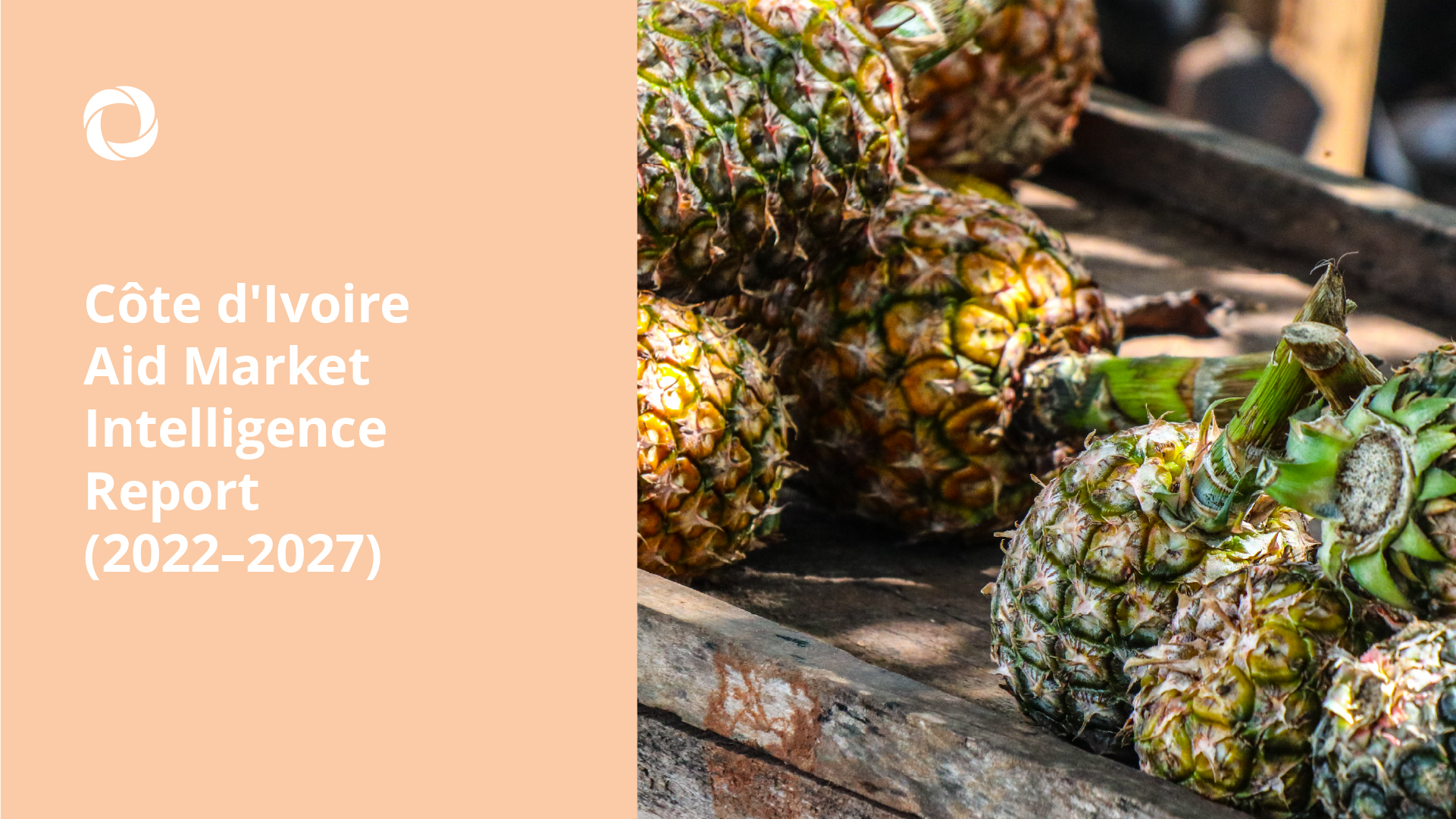
Discover the Africa market report

Explore key market trends, active sectors, major donors, and business opportunities across the development landscape.

View report
tender Background

About the Funding Agency

International Union for Conservation of Nature (HQ)

IUCN - The International Union for Conservation of Nature is the world’s oldest and largest global environmental organization.

Conserving biodiversity is central to the mission of IUCN. We demonstrate how biodiversity is fundamental to addressing some of the world’s greatest challenges such as climate change, sustainable development and food security.

To deliver conservation and sustainability at both the global and local level, IUCN builds on its strengths in the following areas:

  • Action – hundreds of conservation projects all over the world from the local level to those involving several countries, all aimed at the sustainable management of biodiversity and natural resources.
  • Influence – through the collective strength of more than 1,200 government and non-governmental Member organizations, IUCN influences international environmental conventions, policies and laws.

About the Sectors

Environment & Climate

Focuses on protecting natural ecosystems, promoting sustainable resource management, enhancing climate resilience, and mitigating the impacts of climate change through conservation, adaptation, and low-carbon initiatives.

Key areas:
  • Environmental protection and conservation
  • Natural resource and ecosystem management
  • Climate change and environmental resilience

Locations

Angola

In recent years, Angola has stepped up investment in repairing, expanding and modernising its infrastructure as a core pillar of post‑civil war reconstruction and economic development. While high levels of public investment have helped restore key transport, energy and water assets, improving the efficiency and quality of this investment will require strengthening financial markets, regulatory frameworks and infrastructure governance. According to InfraCompass 2020, Angola scores relatively low on these institutional drivers compared with many other countries, underscoring the importance of reforms to translate funding into sustainable economic outcomes.

Nr. of tenders: 9728
Nr. of grants: 3236
Nr. of donors: 628
Nr. of jobs: 50

Brazil

Brazil invests heavily in highway networks, port expansion, rail corridors, renewable energy, and urban mobility systems to support its large and diversified economy. Major infrastructure priorities include logistics improvements for agricultural and mining exports, as well as energy transition projects such as wind and solar expansion. Financing combines federal and state budgets, development banks (notably BNDES), concessional loans, and private sector participation through concession models. Public-private partnerships are widely used in airport, port, and toll road projects. Fiscal constraints, regulatory complexity, and environmental licensing processes significantly influence implementation timelines.

Nr. of tenders: 21970
Nr. of grants: 2593
Nr. of donors: 805
Nr. of jobs: 60
Frequently Asked Questions
Haven't found what you're looking for? Get in touch with us using our contact page.
Where can I find international tenders?
DevelopmentAid aggregates international tenders from major donors, development banks, UN agencies and governments in one searchable platform.
Who can apply for tenders listed on DevelopmentAid?
Tenders are typically open to consulting firms, NGOs, companies, and sometimes individual consultants, depending on the eligibility criteria set by the donor.
How do I apply for a tender?
DevelopmentAid does not submit tenders on your behalf. Each tender listing includes official documents and instructions explaining where and how to apply directly to the contracting authority.
What documents are usually required for a tender application?
Most tenders require a technical proposal, financial offer, company profile, references, and legal documents. Exact requirements are listed in each tender notice.