




Action for paid Childcare sector Transformation
Last update: Dec 6, 2024
Action for paid Childcare sector Transformation
Last update: Dec 6, 2024

Details

Project End Date:
2028-03-31
Location:
Kenya, Malawi
Kenya, Malawi
Contract type:
Unspecified/other
Status:
Approval
Sectors:
Education, Training & Capacity Building, Gender & Human Rights, Youth & Child Welfare, Advocacy
Languages:
English
Contracting authority type:
NGO
Eligibility:
Unknown
Budget:
CAD 5,950,000
Date posted:
Apr 16, 2024

Attachments

There are no attachments to display.

Associated Awards

There are no awards associated with this tender.

Project cycle timeline

STAGES
EARLY INTELLIGENCE
PROCUREMENT
IMPLEMENTATION
Cancelled
Status
Programming
Formulation
Approval
Forecast
Open
Closed
Shortlisted
Awarded
Evaluation
Want to unlock full information?
Member-only information. Become a member to access this information. Procurement notices from over 850+ sources of tenders and grants published by donors, development banks, foundations, and international financial institutions (IFIs) are available here.

Description

Project number CA-3-P012499001Maximum contribution $5,950,000Partner profile WUSC - World University Service of Canada (CA-CRA_ACR-3119304848)Start and end dates 2024-03-22 - 2028-03-31Project status OperationalLead department Global Affairs CanadaRespons
Hidden

Market Intelligence

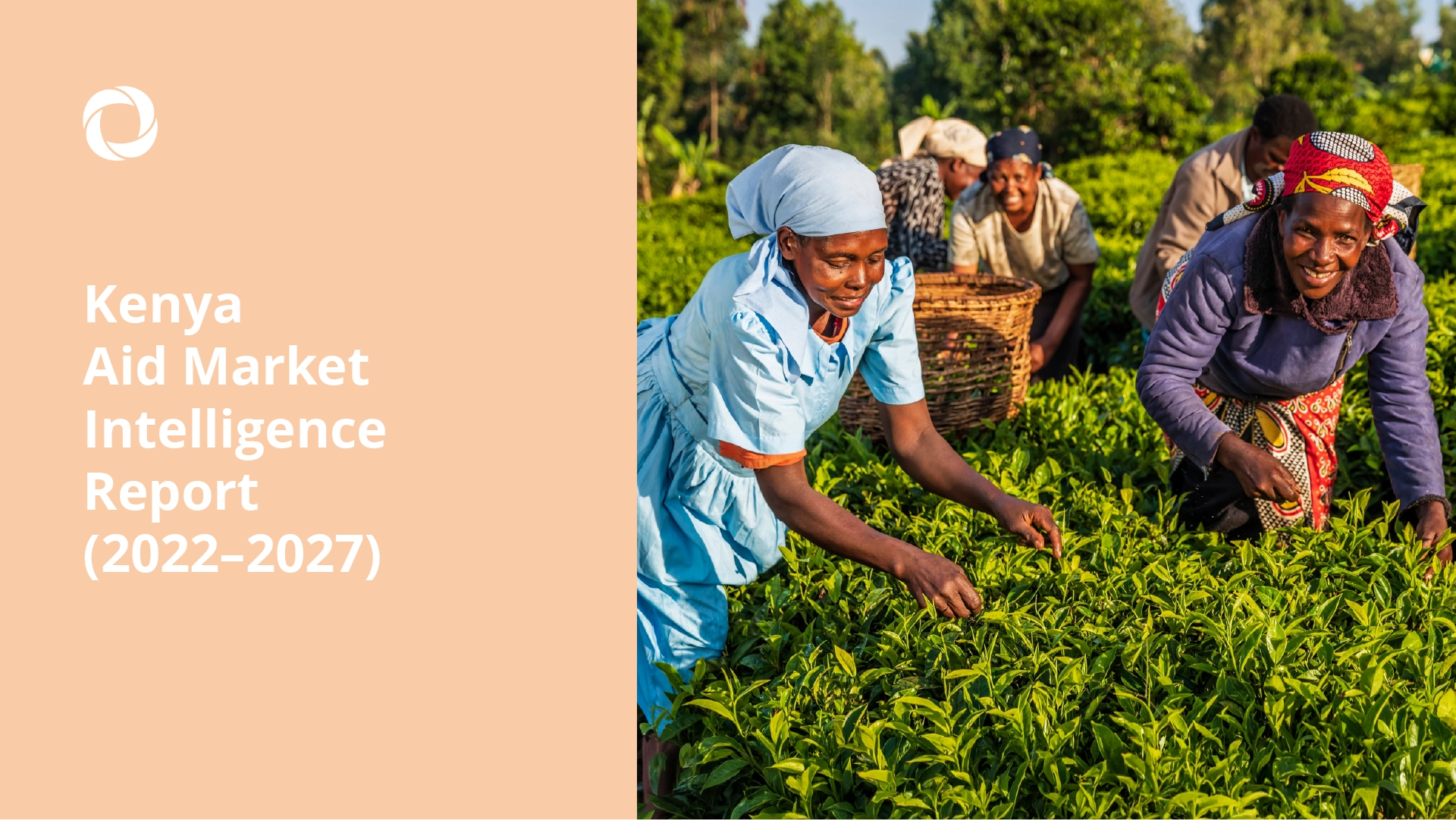
Discover the Kenya market report

Explore key market trends, active sectors, major donors, and business opportunities across the development landscape.

View report
tender Background

About the Funding Agency

Global Affairs Canada (GAC) is the federal department responsible for managing Canada's diplomatic and consular relations, international trade, and foreign aid. Headquartered at the Lester B. Pearson Building at 125 Sussex Drive in Ottawa, Ontario, the main office acts as the core command center for shaping Canadian foreign policy. The headquarters team coordinates nationwide and global strategies, supporting the Minister of Foreign Affairs, the Minister of International Trade, and the Minister of International Development.

The main office in Ottawa directs a vast network of over 175 missions, embassies, and high commissions spread across the globe. Policy makers and analysts at this central site design programs for global peace, human rights, and international law. They also manage the Trade Commissioner Service to help Canadian companies export goods and find new economic opportunities overseas.

Additionally, the headquarters hosts the 24/7 Emergency Watch and Response Centre, which assists citizens facing crises abroad. Leadership teams inside the building work with international partners to deliver humanitarian aid and fund sustainable poverty-reduction projects. Through these coordinated domestic and international efforts, the headquarters ensures Canada's values remain active in a changing world.

About the Sectors

Education, Training & Capacity Building

Covers formal and informal education, training, and capacity-building activities that develop knowledge, skills, and institutional capabilities across all age groups.


Key areas:
  • Education systems and learning programmes
  • Vocational training and skills development
  • Capacity building and professional development

Gender & Human Rights

Includes initiatives that promote gender equality, protect human rights, and address discrimination and vulnerability across populations.


Key areas:
  • Gender equality and women’s empowerment
  • Human rights protection and advocacy
  • Protection of vulnerable and marginalized groups

Locations

Kenya

Kenya has positioned infrastructure investment as a pillar of its development strategy, deploying public funds and innovative financing to expand roads, ports, rail networks and energy systems that enable trade and productivity. Under a World Bank–supported PPP framework, Kenya has strengthened legal and institutional capacity to mobilise private capital for infrastructure across sectors including transport, water and housing, widening access to services and supporting economic transformation.

Nr. of tenders: 25928
Nr. of grants: 4708
Nr. of donors: 894
Nr. of jobs: 195

Malawi

Malawi’s development agenda centres on closing infrastructure deficits in energy, transport and irrigation to support agricultural productivity and economic diversification. Investment in power generation and transmission seeks to address chronic electricity shortages that limit industrial growth, while road and trade corridor upgrades aim to enhance regional connectivity. Given constrained public finances and exposure to climate risks, Malawi relies heavily on concessional financing and development partners. Continued reforms to strengthen public investment management and regulatory frameworks are key to improving infrastructure delivery and long-term resilience.

Nr. of tenders: 13710
Nr. of grants: 3806
Nr. of donors: 707
Nr. of jobs: 45
Frequently Asked Questions
Haven't found what you're looking for? Get in touch with us using our contact page.
Where can I find international tenders?
DevelopmentAid aggregates international tenders from major donors, development banks, UN agencies and governments in one searchable platform.
Who can apply for tenders listed on DevelopmentAid?
Tenders are typically open to consulting firms, NGOs, companies, and sometimes individual consultants, depending on the eligibility criteria set by the donor.
How do I apply for a tender?
DevelopmentAid does not submit tenders on your behalf. Each tender listing includes official documents and instructions explaining where and how to apply directly to the contracting authority.
What documents are usually required for a tender application?
Most tenders require a technical proposal, financial offer, company profile, references, and legal documents. Exact requirements are listed in each tender notice.
