
Information, Education, and Communication (IEC) Materials for Advocating Women’s and Children’s Rights in ASEAN
Last update: 1 day ago
Information, Education, and Communication (IEC) Materials for Advocating Women’s and Children’s Rights in ASEAN
Last update: Oct 14, 2026

Details

Location:
Indonesia
Indonesia
Contract type:
Consulting services
Status:
Open
Sectors:
Education, Training & Capacity Building, Youth & Child Welfare, Marketing & Media
Languages:
English
Eligibility:
Organisation & Individual
Budget:
N/A
Date posted:
Oct 14, 2026

Attachments • 1

IEC-.. .

Oct 14, 2026

Associated Awards

There are no awards associated with this tender.
Available with membership·See plans

Project cycle timeline

STAGES
EARLY INTELLIGENCE
PROCUREMENT
IMPLEMENTATION
Cancelled
Status
Programming
Formulation
Approval
Forecast
Open
Closed
Shortlisted
Awarded
Evaluation
Want to unlock full information?
Member-only information. Become a member to access this information. Procurement notices from over 850+ sources of tenders and grants published by donors, development banks, foundations, and international financial institutions (IFIs) are available here.

Description

Information, Education, and Communication (IEC) Materials for Advocating Women’s and Children’s Rights in ASEANClosing on: Oct 21, 2026
Hidden

Contact Details • 1

Available with membership·See plans

Market Intelligence

Discover the Indonesia market report

Explore key market trends, active sectors, major donors, and business opportunities across the development landscape.

View report
Similar tenders
By Locations
Funding agency:
ILO
Status:
open
Location:
Afghanistan, Armenia, Australia, Azerbaijan, Bangladesh, Bhutan, Brunei, Cambodia, China, Cook Islands, Fiji, French Polynesia, Georgia, Guam, India, Indonesia, Iran, Japan, Kazakhstan, Kiribati, Kyrgyzstan, Laos, Malaysia, Maldives, Marshall Islands, Micronesia, Mongolia, Myanmar, Nauru, Nepal, New Caledonia, New Zealand, Niue, North Korea, Northern Mariana Islands, Pakistan, Palau, Papua New Guinea, Philippines, Russia, Samoa, Singapore, Solomon Islands, South Korea, Sri Lanka, Tajikistan, Thailand, Timor-Leste, Tonga, Türkiye, Turkmenistan, Tuvalu, Uzbekistan, Vanuatu, Vietnam
By Sectors
There are no similar tenders by sectors
tender Background

About the Funding Agency

The Association of Southeast Asian Nations, or ASEAN, was established on 8 August 1967 in Bangkok, Thailand, with the signing of the ASEAN Declaration (Bangkok Declaration) by the Founding Fathers of ASEAN, namely Indonesia, Malaysia, Philippines, Singapore and Thailand. The Road Map for the ASEAN Community sets out commitments which member States must strive to achieve by 2015. The ASEAN Secretariat seeks to facilitate the implementation of these commitments.

Our goal is to enhance regional peace, stability and security, facilitate economic integration, and improve wellbeing and livelihoods for the peoples of ASEAN by building the ASEAN Community around three pillars: political-security community, economic community, socio-cultural community. 

About the Sectors

Education, Training & Capacity Building

Covers formal and informal education, training, and capacity-building activities that develop knowledge, skills, and institutional capabilities across all age groups.


Key areas:
  • Education systems and learning programmes
  • Vocational training and skills development
  • Capacity building and professional development

Youth & Child Welfare

Includes measures that support the well-being, protection, and development of young people and children.
Key areas:
  • Youth development policies and programmes
  • Child protection and welfare systems
  • Family support and social services
  • Education, inclusion, and well-being initiatives

Locations

Indonesia

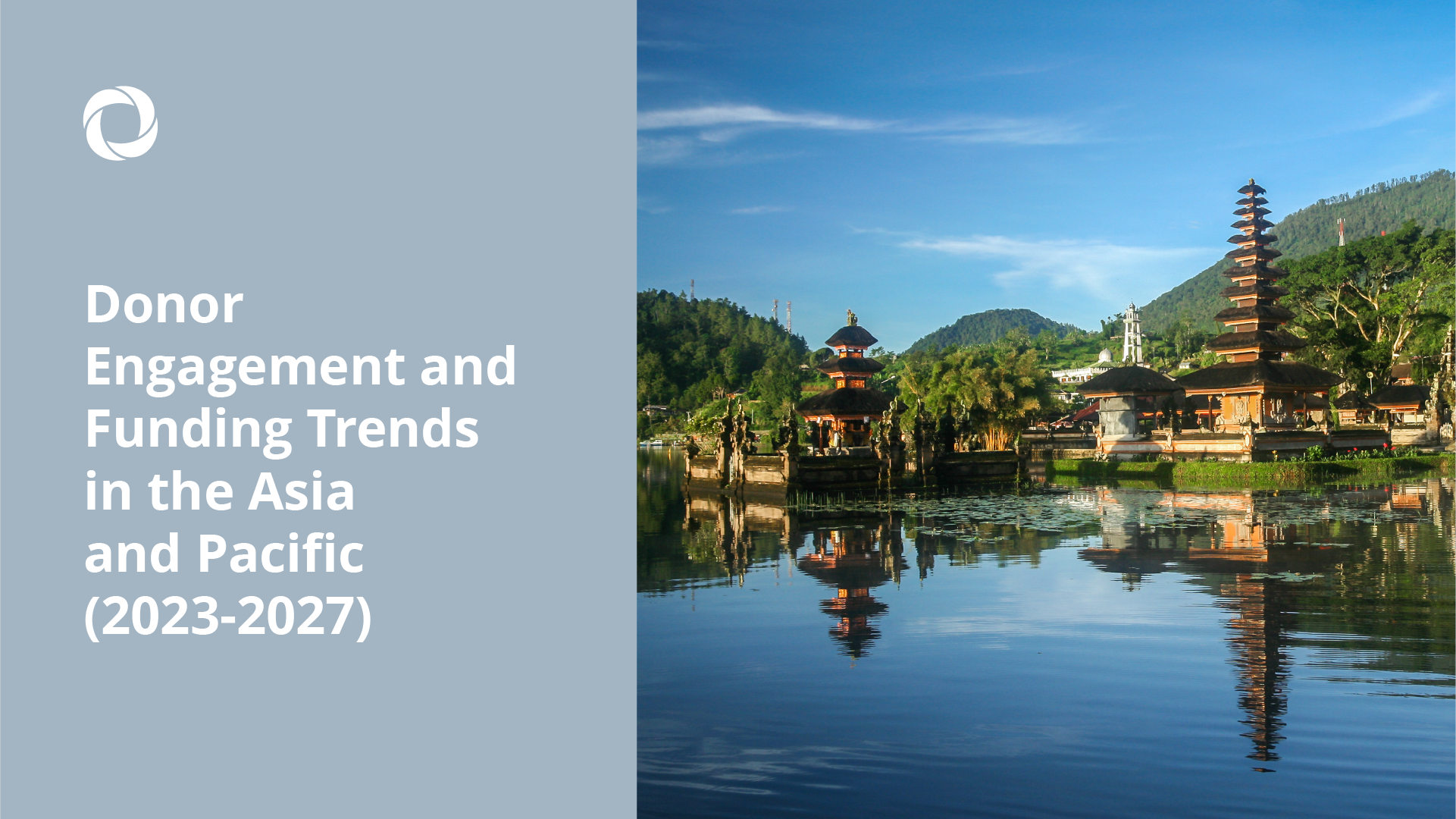
Indonesia is pursuing broad infrastructure expansion in transport, energy, power grids and urban services to support its goal of becoming a high-income economy by 2045. Major reforms and blended finance packages backed by institutions like the World Bank seek to strengthen electricity networks, expand access to clean energy and enhance financial and digital infrastructure. The government is also promoting private sector participation through public–private partnerships, streamlined project facilitation and innovative financing mechanisms to bridge a large funding gap. Despite strong long-term growth prospects, geographic dispersion, financing constraints and regulatory complexity remain challenges to realising the full potential of infrastructure investment.

Nr. of tenders: 23629
Nr. of grants: 3580
Nr. of donors: 633
Nr. of jobs: 88
Frequently Asked Questions
Haven't found what you're looking for? Get in touch with us using our contact page.
Where can I find international tenders?
DevelopmentAid aggregates international tenders from major donors, development banks, UN agencies and governments in one searchable platform.
Who can apply for tenders listed on DevelopmentAid?
Tenders are typically open to consulting firms, NGOs, companies, and sometimes individual consultants, depending on the eligibility criteria set by the donor.
How do I apply for a tender?
DevelopmentAid does not submit tenders on your behalf. Each tender listing includes official documents and instructions explaining where and how to apply directly to the contracting authority.
What documents are usually required for a tender application?
Most tenders require a technical proposal, financial offer, company profile, references, and legal documents. Exact requirements are listed in each tender notice.