

Request for Proposal (RFP2026/FRNIR/FRNIR/138575) for Quantitative and Qualitative Data Collection Services for Food Security and Agricultural Livelihoods Monitoring in Nigeria
Last update: Oct 21, 2026
Request for Proposal (RFP2026/FRNIR/FRNIR/138575) for Quantitative and Qualitative Data Collection Services for Food Security and Agricultural Livelihoods Monitoring in Nigeria
Last update: Oct 21, 2026

Details

Location:
Nigeria
Nigeria
Contract type:
Consulting services
Status:
Open
Sectors:
Food Systems & Livelihoods, Statistics and data analysis, Agriculture & Rural Development
Languages:
English
Eligibility:
Organisation
Budget:
N/A
Date posted:
Oct 21, 2026

Attachments • 1

ungm.. .

Oct 21, 2026

Associated Awards

There are no awards associated with this tender.
Available with membership·See plans

Project cycle timeline

STAGES
EARLY INTELLIGENCE
PROCUREMENT
IMPLEMENTATION
Cancelled
Status
Programming
Formulation
Approval
Forecast
Open
Closed
Shortlisted
Awarded
Evaluation
Want to unlock full information?
Member-only information. Become a member to access this information. Procurement notices from over 850+ sources of tenders and grants published by donors, development banks, foundations, and international financial institutions (IFIs) are available here.

Summary

AI generated

Objectives

  • Purpose: To provide quantitative and qualitative data collection services for food security a...
  • Eligible applicants: Suppliers or firms that are registered in UNGM; a Basic Level registration is sufficient to access the tender documents, but UNGM registration is mandatory to participate.
  • Geographic and legal eligibility: The notice identi...

This summary is generated by AI and may contain errors. Please verify key details against the original description and attachments.

Full summary is available with certain plans.

Register and select a membership plan to access this feature.

Unlock full summary

Description

Request for Proposal (RFP2026/FRNIR/FRNIR/138575) for Quantitative and Qualitative Data Collection Services for Food Security and Agricultural Livelihoods Monitoring in Nigeria Reference: 2026/FRNIR/FRNIR/138575 Beneficiary countries or territories: Niger
Hidden

Contact Details • 1

Available with membership·See plans

Market Intelligence

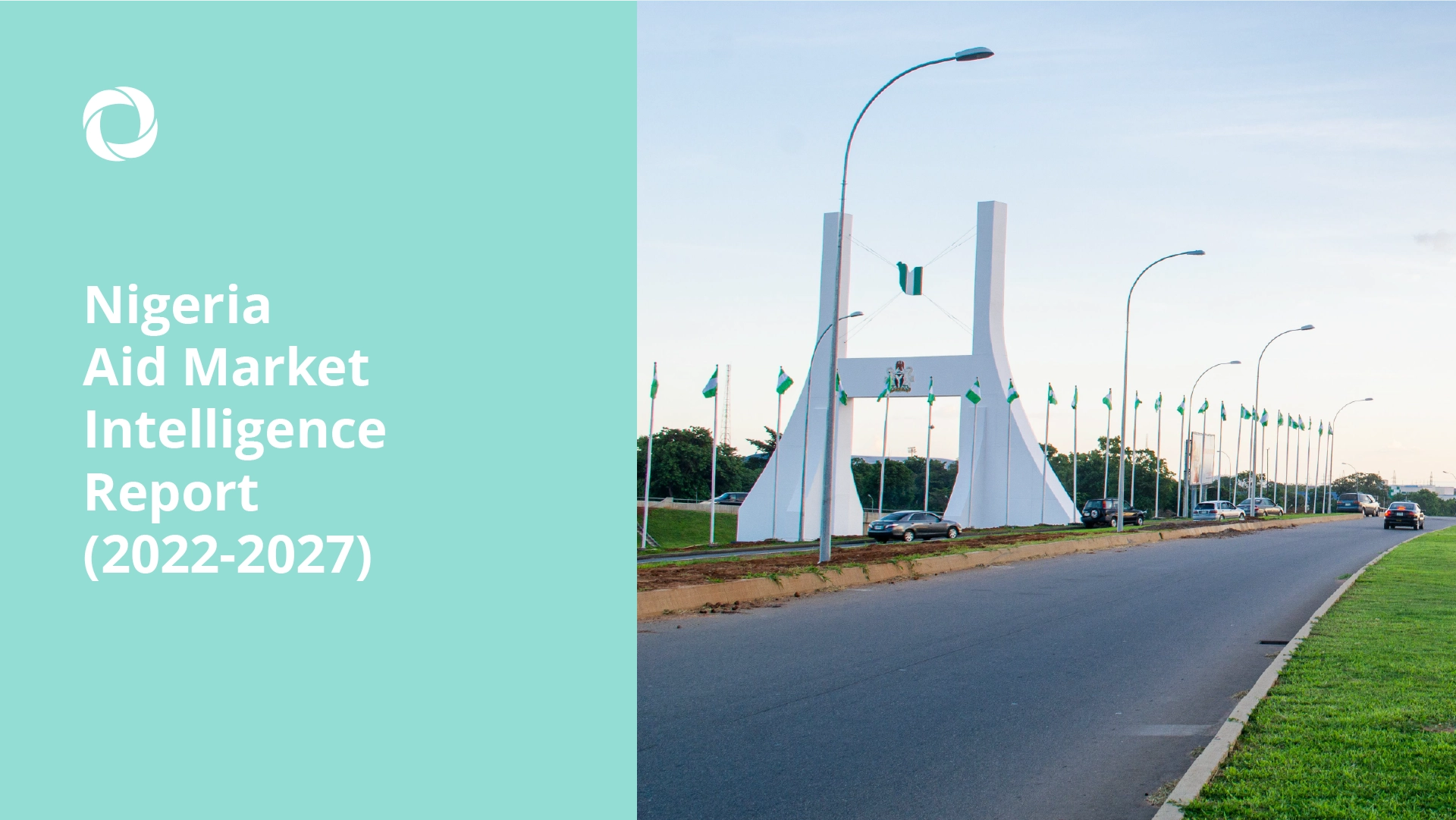
Discover the Nigeria market report

Explore key market trends, active sectors, major donors, and business opportunities across the development landscape.

View report
tender Background

About the Funding Agency

The Food and Agriculture Organization (FAO) is a specialized agency of the United Nations founded in 1945 in Rome, Italy. Its main purpose is to eliminate world hunger and improve nutrition by coordinating the activities of governments in the fields of agriculture, forestry, and the fishing industry. FAO also supports countries through research, specialization, development, practical applications, and disaster relief.

FAO's work is aimed at reducing the severity of the world's poverty and hunger by developing agriculture, improving nutrition, and addressing food security challenges allowing access to the food necessary for an active and healthy life. The FAO acts as a neutral forum as well as a source of knowledge and information and helps developing countries and countries with economies in transition to modernize and improve agriculture, forestry, and fisheries. The organization's motto in Latin is “Fiat panis” – translated as “Let there be bread”. As of August 2018, FAO had 197 member states, the representatives of which meet every two years at the FAO Conference to review global policy issues and international frameworks and to summarize and approve the budget for the next two years.

FAO key sectors: Agriculture, Poverty Reduction, Hunger Elimination, Food Security, Nutrition, Research, Socio-Economic Development, Disaster Relief, Fisheries & Aquaculture, etc.

About the Sectors

Food Systems & Livelihoods

Features all the components, activities, and processes related to food production, processing, safety, and access, as well as initiatives that support livelihoods and income generation for individuals and communities.


Key areas:
  • Food systems and processing
  • Food security, nutrition, and resilience
  • Livelihood support and income-generating activities

Statistics and data analysis

Covers initiatives that support data collection, statistical analysis, and evidence-based decision-making across public and private sectors.


Key areas:
  • Population censuses and household surveys
  • Quantitative data analysis and statistical studies
  • Data collection, entry, and processing

Locations

Nigeria

Nigeria’s development trajectory increasingly emphasises large-scale infrastructure investment to support economic diversification and reduce dependence on oil revenues. Expansion of rail networks, highways, power generation and digital connectivity seeks to improve productivity across Africa’s largest economy. Reforms targeting electricity markets, public-private partnerships and regulatory transparency aim to attract private capital and enhance project efficiency. However, implementation gaps, fiscal pressures and governance challenges continue to influence the pace and quality of infrastructure delivery.

Nr. of tenders: 23413
Nr. of grants: 4293
Nr. of donors: 927
Nr. of jobs: 83
Frequently Asked Questions
Haven't found what you're looking for? Get in touch with us using our contact page.
Where can I find international tenders?
DevelopmentAid aggregates international tenders from major donors, development banks, UN agencies and governments in one searchable platform.
Who can apply for tenders listed on DevelopmentAid?
Tenders are typically open to consulting firms, NGOs, companies, and sometimes individual consultants, depending on the eligibility criteria set by the donor.
How do I apply for a tender?
DevelopmentAid does not submit tenders on your behalf. Each tender listing includes official documents and instructions explaining where and how to apply directly to the contracting authority.
What documents are usually required for a tender application?
Most tenders require a technical proposal, financial offer, company profile, references, and legal documents. Exact requirements are listed in each tender notice.