CFAs: School Meals Program in Falcon, Sucre and Zulia (Venezuela)
Last update: Nov 9, 2026
CFAs: School Meals Program in Falcon, Sucre and Zulia (Venezuela)
Last update: Nov 9, 2026

Details

Location:
Venezuela
Venezuela
Contract type:
Non-consulting services
Status:
Closed
Sectors:
Food Systems & Livelihoods, Logistics
Languages:
Spanish
Contracting authority:
Funding Agency:
Eligibility:
Organisation
Budget:
N/A
Date posted:
Nov 9, 2026

Attachments

There are no attachments to display.

Associated Awards

There are no awards associated with this tender.

Project cycle timeline

STAGES
EARLY INTELLIGENCE
PROCUREMENT
IMPLEMENTATION
Cancelled
Status
Programming
Formulation
Approval
Forecast
Open
Closed
Shortlisted
Awarded
Evaluation
Want to unlock full information?
Member-only information. Become a member to access this information. Procurement notices from over 850+ sources of tenders and grants published by donors, development banks, foundations, and international financial institutions (IFIs) are available here.

Description

CFAs: School Meals Program in Falcon, Sucre and Zulia (Venezuela)The PCE AE School Meals Program, run by the World Food Programme, seeks Venezuelan nongovernmental organizations to deliver school meals and related food assistance in Falcon, Sucre and Zuli
Hidden

Contact Details • 1

Available with membership·See plans

Market Intelligence

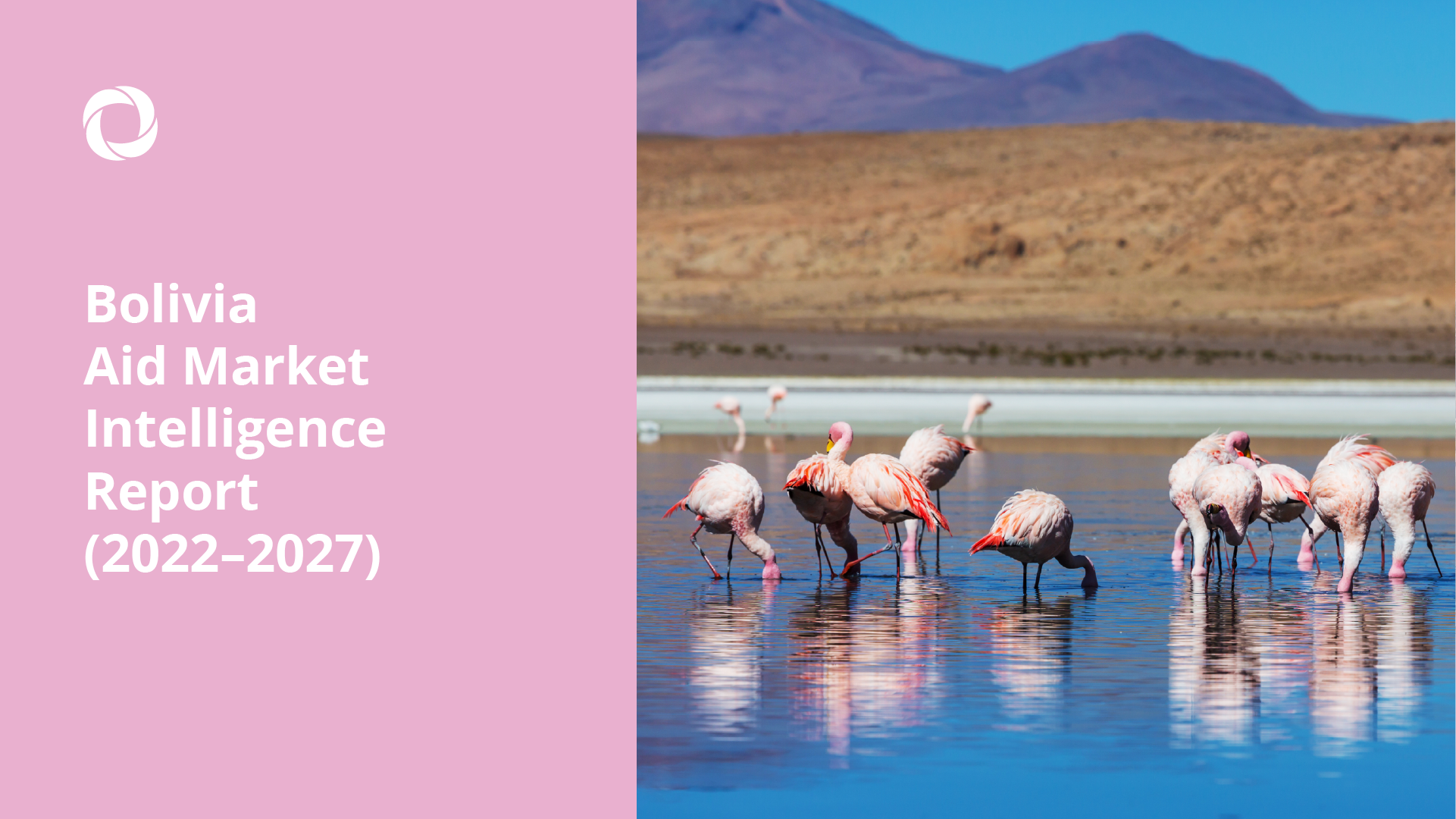
Discover the Latin America and the Caribbean market report

Explore key market trends, active sectors, major donors, and business opportunities across the development landscape.

View report
tender Background

About the Funding Agency

Founded in 1961 and headquartered in Rome, Italy, its primary mission is to provide life-saving food assistance during emergencies and to work with communities to improve nutrition and build resilience. In recognition of its extensive efforts to combat hunger, foster peace in conflict-affected areas, and prevent the use of food as a weapon of war, the WFP was awarded the Nobel Peace Prize in 2020.

The organization operates in more than 120 countries and territories, delivering critical assistance to over 150 million people annually who are victims of conflict, climate shocks, epidemics, and poverty. WFP’s emergency response infrastructure allows it to deploy food, cash transfers, and medical supplies to disaster zones within hours. Beyond immediate crisis relief, the program actively runs long-term development initiatives, such as school feeding programs, which incentivize education while ensuring children receive necessary daily nutrients to thrive.

As a completely voluntarily funded agency, the WFP relies entirely on donations from governments, corporations, and individual donors to sustain its global operations. It acts as the backbone of international humanitarian logistics, managing complex supply chains that transport aid by air, land, and sea to the most remote corners of the globe. By aligning its operations with the United Nations Sustainable Development Goals—specifically Goal 2: Zero Hunger—the WFP continues to lead the global fight to eliminate malnutrition and achieve food security for all.

 

About the Sectors

Food Systems & Livelihoods

Features all the components, activities, and processes related to food production, processing, safety, and access, as well as initiatives that support livelihoods and income generation for individuals and communities.


Key areas:
  • Food systems and processing
  • Food security, nutrition, and resilience
  • Livelihood support and income-generating activities

Logistics

Focuses on improving the efficient movement, storage, and management of goods and services across supply chains and trade networks.


Key areas:
  • Transportation and freight forwarding services
  • Warehousing and inventory management
  • Customs clearance and trade facilitation
  • Supply chain and distribution optimization

Locations

Venezuela

Venezuela possesses historically extensive oil, transport and port infrastructure that once underpinned one of Latin America’s largest economies, but decades of underinvestment, political turmoil and sanctions have led to widespread deterioration of energy systems, refineries, electricity networks and basic services. The ongoing economic crisis has also resulted in pervasive service shortages, deteriorating roads and utilities, and significant outmigration, complicating any infrastructure modernization efforts. While recent political and legal reforms have been proposed to attract foreign investment in oil, energy and mining sectors, substantial institutional and financial reforms are needed to translate Venezuela’s resource base into sustainable development.

Nr. of tenders: 6705
Nr. of grants: 2044
Nr. of donors: 427
Nr. of jobs: 80
Frequently Asked Questions
Haven't found what you're looking for? Get in touch with us using our contact page.
Where can I find international tenders?
DevelopmentAid aggregates international tenders from major donors, development banks, UN agencies and governments in one searchable platform.
Who can apply for tenders listed on DevelopmentAid?
Tenders are typically open to consulting firms, NGOs, companies, and sometimes individual consultants, depending on the eligibility criteria set by the donor.
How do I apply for a tender?
DevelopmentAid does not submit tenders on your behalf. Each tender listing includes official documents and instructions explaining where and how to apply directly to the contracting authority.
What documents are usually required for a tender application?
Most tenders require a technical proposal, financial offer, company profile, references, and legal documents. Exact requirements are listed in each tender notice.