

European Bank for Reconstruction and Development (HQ)

Regional: Environmental Training for Financial Intermediaries

Last update: Oct 19, 2005 Last update: Oct 19, 2005

Details

Location:Armenia, Azerbaijan, Georgia, Ka ...
Armenia, Azerbaijan, Georgia, Kazakhstan, Kyrgyzstan, Moldova, Russia, Tajikistan, Turkmenistan, Ukraine, Uzbekistan
Category:Consulting services
Status:Shortlisted
Sectors:Education, Training & Capacity Building, Environment & Climate
Contracting authority type:Development Institution
Eligibility:Organisation & Individual
Budget: EUR 590,000
Date posted: Jul 7, 2005

Attachments 3

Associated Awards

Project cycle timeline

STAGES
EARLY INTELLIGENCE
PROCUREMENT
IMPLEMENTATION
Cancelled
Status
Programming
Formulation
Approval
Forecast
Open
Closed
Shortlisted
Awarded
Evaluation

Description

EuropeAid/121810/D/SER/Multi
Want to unlock full information?
Member-only information. Become a member to access this information. Procurement notices from over 850+ sources of tenders and grants published by donors, development banks, foundations, and international financial institutions (IFIs) are available here.
Similar tenders
By Locations
Funding agency:
NPO
Status:
shortlisted
Location:
Afghanistan, Albania, Algeria, American Samoa, Angola, Argentina, Armenia, Azerbaijan, Bangladesh, Belarus, Belize, Benin, Bhutan, Bolivia, Bosnia and Herzegovina, Botswana, Brazil, Bulgaria, Burkina Faso, Burundi, Cambodia, Cameroon, Cape Verde, Central African Republic, Chad, China, Colombia, Comoros, Congo, Costa Rica, Cote d'Ivoire, Cuba, Dem. Rep. Congo, Djibouti, Dominica, Commonwealth of, Dominican Republic, Ecuador, Egypt, El Salvador, Equatorial Guinea, Eritrea, Eswatini (Swaziland), Ethiopia, Fiji, Gabon, Gambia, Georgia, Ghana, Grenada, Guatemala, Guinea, Guinea-Bissau, Guyana, Haiti, Honduras, India, Indonesia, Iran, Iraq, Jamaica, Jordan, Kazakhstan, Kenya, Kiribati, Kosovo, Kyrgyzstan, Laos, Lebanon, Lesotho, Liberia, Libya, Madagascar, Malawi, Malaysia, Maldives, Mali, Marshall Islands, Mauritania, Mauritius, Mexico, Micronesia, Moldova, Mongolia, Montenegro, Morocco, Mozambique, Myanmar, Namibia, Nauru, Nepal, Nicaragua, Niger, Nigeria, North Korea, North Macedonia, Pakistan, Palestine / West Bank & Gaza, Papua New Guinea, Paraguay, Peru, Philippines, Romania, Russia, Rwanda, Saint Lucia, Saint Vincent and the Grenadines, Samoa, Sao Tome and Principe, Senegal, Serbia, Sierra Leone, Solomon Islands, Somalia, South Africa, South Sudan, Sri Lanka, Sudan, Suriname, Syria, Tajikistan, Tanzania, Thailand, Timor-Leste, Togo, Tonga, Tunisia, Türkiye, Turkmenistan, Tuvalu, Uganda, Ukraine, Uzbekistan, Vanuatu, Venezuela, Vietnam, Yemen, Zambia, Zimbabwe
tender Background

About the Funding Agency

European Bank for Reconstruction and Development (HQ)

EBRD - European Bank for Reconstruction and Development - is a multilateral development bank, using investment as a tool to help build market economies. Initially focused on the countries of the former Eastern Bloc (former European Communist Countries), it expanded its support to development in the democracies of 30 countries from central Europe to central Asia. EBRD invests mainly in private enterprises.

EBRD is not to be confused with the European Investment Bank (EIB), which is owned by EU member states and is used to support EU policy.


About the Sectors

Education, Training & Capacity Building

Covers formal and informal education, training, and capacity-building activities that develop knowledge, skills, and institutional capabilities across all age groups.


Key areas:
  • Education systems and learning programmes
  • Vocational training and skills development
  • Capacity building and professional development

Environment & Climate

Focuses on protecting natural ecosystems, promoting sustainable resource management, enhancing climate resilience, and mitigating the impacts of climate change through conservation, adaptation, and low-carbon initiatives.

Key areas:
  • Environmental protection and conservation
  • Natural resource and ecosystem management
  • Climate change and environmental resilience

Locations

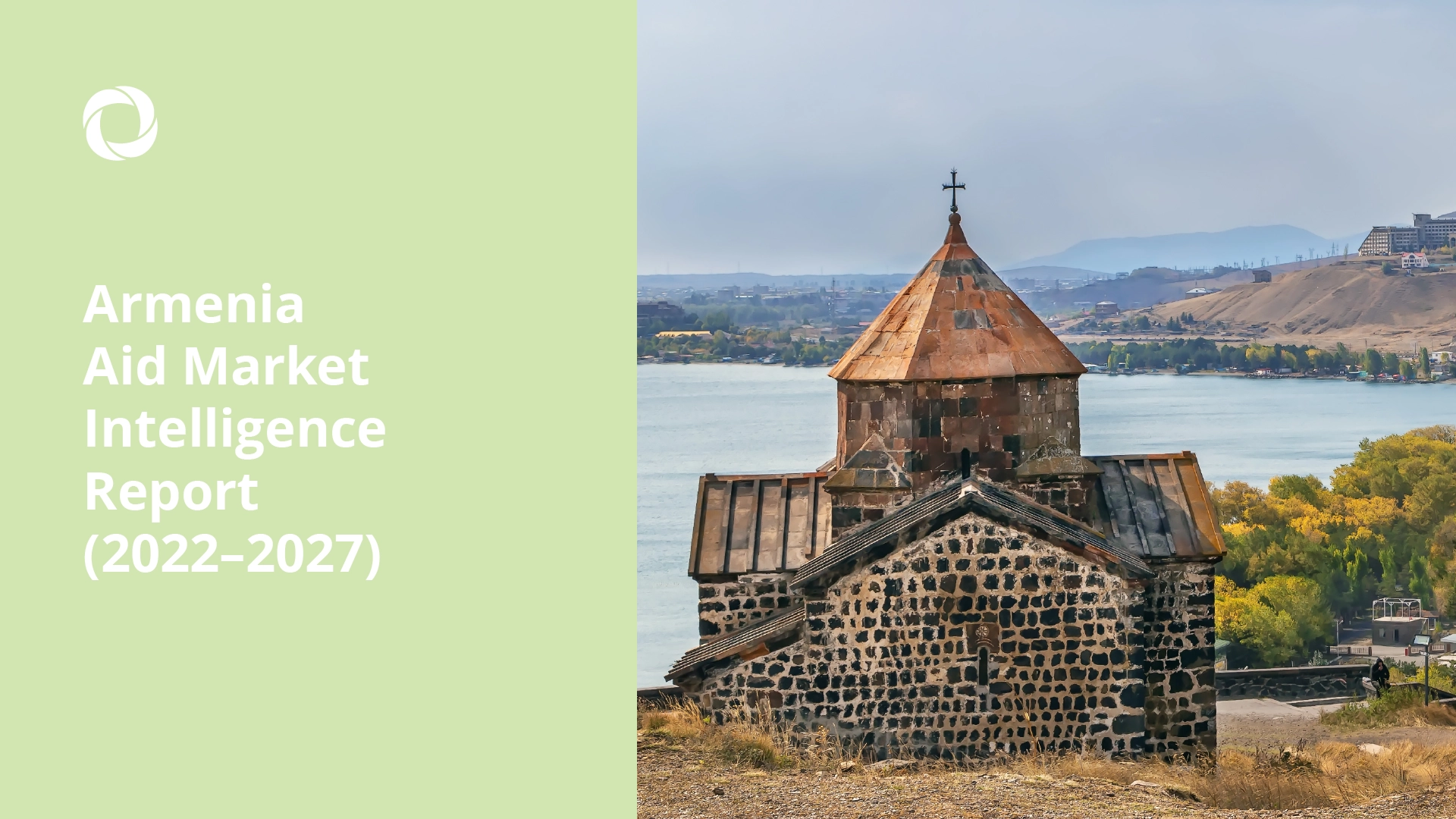
Armenia

Armenia has prioritised transport corridor upgrades, renewable energy expansion and digital infrastructure to enhance regional integration and competitiveness. Investments aim to strengthen Armenia’s role as a transit and services economy between Europe and Asia. The government has implemented regulatory reforms and sought foreign direct investment to modernise logistics and energy systems. Continued institutional strengthening and diversification beyond remittances and mining remain central to long-term resilience.

Nr. of tenders: 10496
Nr. of grants: 2822
Nr. of donors: 519
Nr. of jobs: 47

Azerbaijan

Azerbaijan has used hydrocarbon revenues to modernise transport corridors, ports and energy infrastructure, positioning itself along the Middle Corridor linking Europe and Asia. Infrastructure investment supports export capacity and ambitions to diversify into logistics, manufacturing and renewables. State-led financing has driven much of this expansion, complemented by strategic partnerships. Reducing oil dependency and strengthening private sector participation remain key to sustainable development.

Nr. of tenders: 8631
Nr. of grants: 2197
Nr. of donors: 448
Nr. of jobs: 20
Frequently Asked Questions
Haven't found what you're looking for? Get in touch with us using our contact page.
Where can I find international tenders?
DevelopmentAid aggregates international tenders from major donors, development banks, UN agencies and governments in one searchable platform.
Who can apply for tenders listed on DevelopmentAid?
Tenders are typically open to consulting firms, NGOs, companies, and sometimes individual consultants, depending on the eligibility criteria set by the donor.
How do I apply for a tender?
DevelopmentAid does not submit tenders on your behalf. Each tender listing includes official documents and instructions explaining where and how to apply directly to the contracting authority.
What documents are usually required for a tender application?
Most tenders require a technical proposal, financial offer, company profile, references, and legal documents. Exact requirements are listed in each tender notice.