
Add us as your preferred source on Google to see more of our content in Search.
 Add to Preferred Sources
The United Nations World Food Programme (WFP) and the Korean International Cooperation Agency (KOICA) have signed a US$9.5 million agreement to improve access to nutritious school meals for more than 100,000 children in Bhutan, according to a press release published on 16 April 2026. The deal was signed in Thimphu between KOICA Bangladesh Country Director Jihoon Kim and WFP Country Director and Representative in Bhutan Peter Rodrigues. The partnership also aims to strengthen local food production and rural livelihoods across the country.
The project will be implemented in partnership with the Ministry of Education and Skills Development, the Central Monastic Body, and the Ministry of Agriculture and Livestock. It will reach schoolchildren in both government and monastic schools, while also supporting farmers, cooperatives, and government institutions. Overall, the initiative is expected to positively impact more than 175,000 people across Bhutan. The project responds to concerns over micronutrient deficiencies among Bhutan’s school-age children. It aims to improve dietary diversity, food quality, and consumption of nutrient-rich foods in schools.
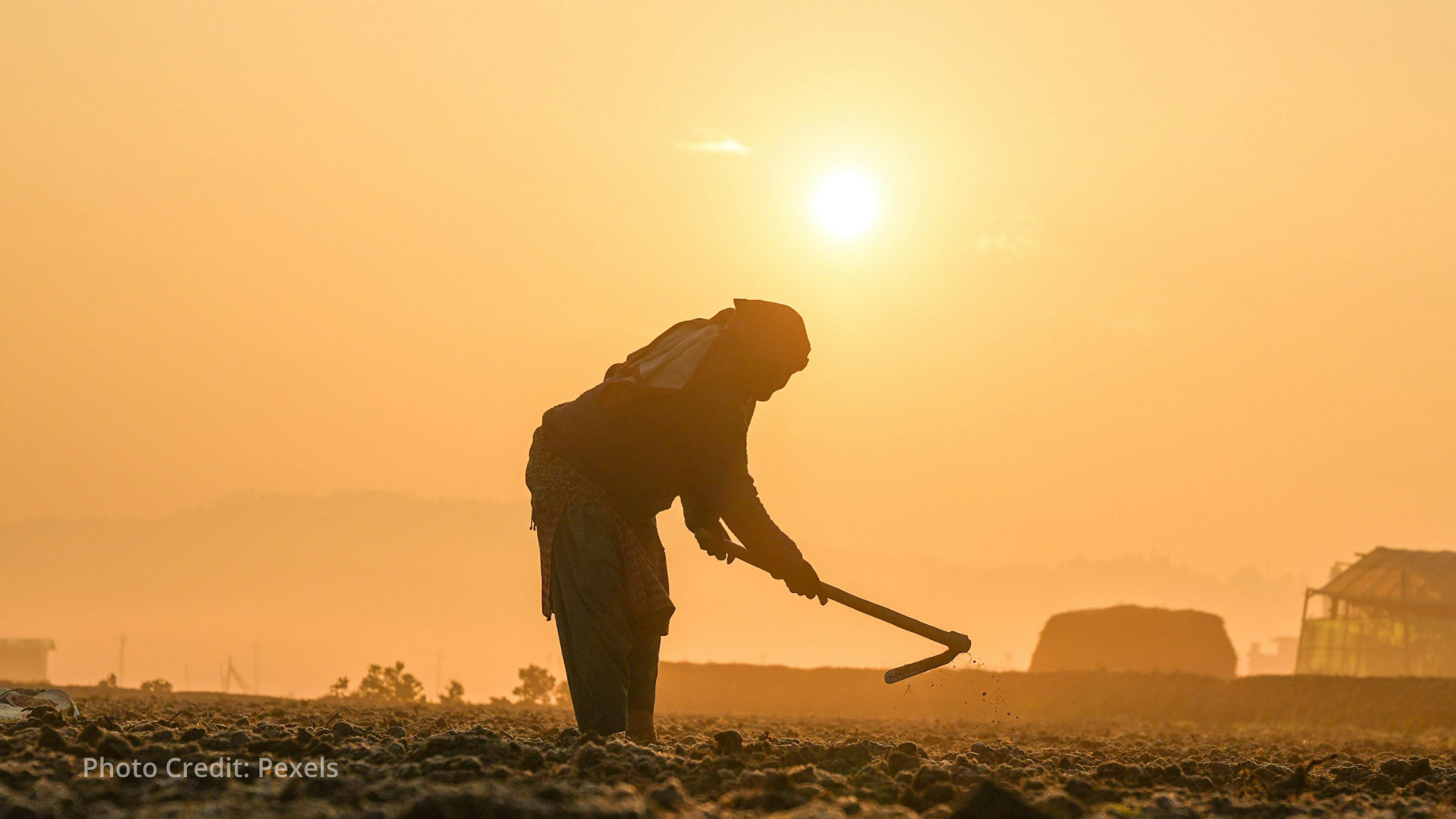
The KOICA and WFP partnership will support the construction and refurbishment of school kitchens and roll out agriculture initiatives across 13 districts. More than 100,000 schoolchildren will receive improved, nutritious meals alongside education on balanced diets, hygiene, food safety, and basic food production skills. More than 2,000 farming households will receive tools, training, and skills to become better producers, farm business owners, and rural entrepreneurs. At least 60 percent of those supported will be women, strengthening their income opportunities through linkages with schools.
“This partnership demonstrates how school feeding can deliver multiple benefits – improving children’s nutrition while strengthening local food systems and rural livelihoods,” said Jihoon Kim, Country Director of KOICA Bangladesh. “By investing in local agriculture, we are supporting long‑term, community‑driven development outcomes.” Peter Rodrigues, WFP Country Director and Representative in Bhutan, added: “With KOICA and the Royal Government of Bhutan, we are transforming school meals into a driver of better nutrition, greener school kitchens, and stronger farm-to-school partnerships.” He noted that the partnership helps ensure children eat better today while farming communities build more secure livelihoods for the future.
The agreement marks a significant step in supporting Bhutan’s national school feeding program through locally sourced food, which is expected to increase farmer incomes. By linking agricultural support directly to school meal programs, the initiative creates a chain of benefit from rural farms to school canteens. At least 60 percent of supported individuals will be women, underlining the project’s focus on inclusive rural development. The initiative covers both government and monastic schools and extends across 13 districts. Together, KOICA and WFP aim to build a more food-secure future for children and farming communities throughout Bhutan.