

Add us as your preferred source on Google to see more of our content in Search.
 Add to Preferred Sources
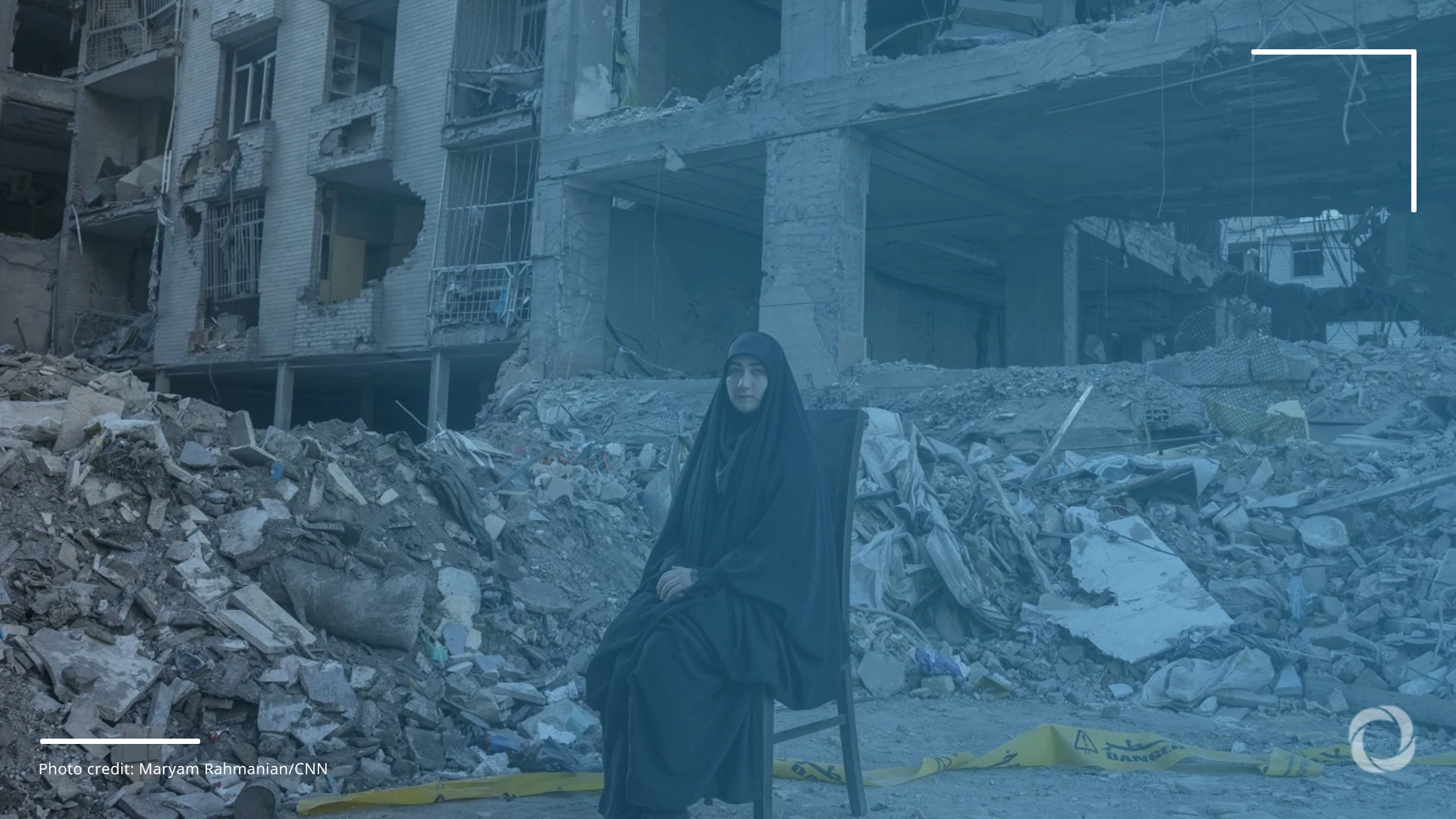
Mass displacements, deaths, and the destruction of civilian infrastructure due to the 2026 Iran war are causing mental health issues and psychological trauma in the Gulf region. Since the start of the war in February 2026, over 3,300 people have died in Iran and 2,700 in Lebanon, with at least 26,500 being injured, increasing the exposure to trauma for the region’s population. Living alongside such danger is causing mental health disorders such as post-traumatic stress disorder (PTSD), anxiety, and depression among civilians and humanitarian aid workers.
But the war is not just affecting civilians in the Gulf region. The conflict also has consequences for the world economy, which is triggering and fueling anxiety around the globe. According to the World Bank, the economic growth of the Gulf region is expected to decrease from 4% in 2025 to 1.8% in 2026.
Economic uncertainty such as this, together with deaths and mass displacement, is increasing psychological distress in the region. This DevelopmentAid article offers insights into the mental health disorders inflicted by the U.S./Israel-Iran war and the humanitarian interventions necessary to address this issue.
Common conflict-caused mental health disorders in the Middle East
🔹 PTSD: As of March 31, the Iranian Red Crescent Society had received at least 130,000 calls via its psychological support helpline. The calls from those experiencing distress during the intense conflict evidence the increasing war-related trauma being felt by both citizens and troops. According to Israel’s Defence Ministry, there has been at least a 40% increase in PTSD cases amongst its troops since the October 2023 attack on the state carried out by Hamas, and this figure may increase to 80% by 2028.
🔹 Anxiety: The U.S./Israel-Iran war has triggered high levels of anxiety in the region, which stood at 4.6% of the population in nations such as Iran and Kuwait in 2017, according to a WHO report. In Israel, the Mashabim Center, a locally-based NGO, has reported that symptoms of anxiety, such as bedwetting, panic attacks, and obsessive-compulsive traits, are common in children.
🔹 Insomnia: Constant exposure to war is causing sleep disruption due to the ongoing alerts and sirens, and the fear of attacks. According to recent research, at least 60% of civilians in war-stricken regions like the Gulf suffer from sleep-related problems, which include reduced sleep quality, increased insomnia, and nightmares, all of which affect the daily life of the victims.
🔹 Acute stress disorder (ASD): According to the WHO, displacement, trauma injuries, and disrupted civilian infrastructure are intensifying reactions to stress in the Gulf region. A study investigating ASD among Israeli citizens as a result of the October 7, 2023, attack, found that 60% of the 390 participants suffered from ASD. The stress is due to exposure to kidnappings, the death of loved ones, and the fear of losing income.
🔹 Depression: Exposure to violence is causing civilians, troops, and healthcare workers to suffer from depression. A study by Ben-Gurion University in Israel ascertained that approximately 40% of teachers had reported high levels of depression and anxiety above the clinical thresholds. More than 12% of staff suffered from severe depression, and 5% from severe anxiety, which is much higher than the rates experienced during non-crisis situations.
Mental health tips for humanitarian workers
Humanitarian aid staff in the Gulf face potentially traumatic events (PTEs), death or injury, and social isolation. Since the start of the U.S./Israel-Iran war, over 24 healthcare staff have died and more than 114 have been injured, leading to PTSD and anxiety among other workers. The following tips can therefore hopefully help humanitarian staff to cope with mental health concerns:
🔹 Seek professional help from experienced staff counsellors
Counsellors provide confidential therapy and secondary trauma debriefings, as well as teaching coping mechanisms that can reduce burnout and traumatic stress among humanitarian workers. In her reflections, Gunara Zhakupova, a former UN volunteer and staff counsellor, explained that access to expertise on grief healing, panic attacks, anxiety, and PTSD can help staff during protracted wars.
🔹 Create boundaries between personal time and work
Regardless of deadlines, urgent tasks, and last-minute calls, time should be allocated for personal matters such as family commitments at weekends and holidays. Continuous interaction with family, friends, and colleagues reduces feelings of isolation which can relieve stress. Establishing such boundaries maintains energy and the motivation to effectively complete jobs and avoid burnout.
🔹 Determine personal stress-relief mechanisms
Comprehending what effectively works for you to reduce psychological stress and remain in a good mood is the first step to self-care. Strategies could include meditation, listening to music, reading, playing sports, and breathing exercises as these can reduce the risk of burnout while preventing secondary traumatic stress.
🔹 Focus on physical health
Adequate sleep, physical exercise, and sufficient hydration can reduce stress levels among humanitarian staff. Generally, research links physical exercise with increased psychological well-being, reduced depression, better quality of sleep, and a positive mood in high-stress environments.
🔹 Invest in personal interventions such as Psychological First Aid (PFA)
PFA creates feelings of calmness, security, self- and community efficacy, and hope, which are all important components of trauma intervention in the aftermath of violence and disasters. All these activities can reinforce staff’s ability to cope and adapt to challenges while also learning how to support their colleagues.
Humanitarian interventions to address war-related mental health issues in the Middle East
🔹 The International Federation of Red Cross and Red Crescent Societies (IFRC) is mobilizing over CHF 40 million in emergency funds. This funding aims to address growing humanitarian needs such as shelter, water, sanitation, food, and mental and psychosocial support. The emergency appeal also seeks to strengthen the role of the Iranian Red Crescent Society (IRCS) in preparing for the possible displacement of Iranians with the aim of reducing human suffering.
🔹 UNICEF is expanding its psychosocial support in Gulf nations for the most vulnerable groups, such as women and children. Through the mental health and psychosocial support (MHPSS) program, aided by UNICEF, Iranian children are learning how to express their emotions and socialize with others. This initiative has reached at least 20,000 people in five Iranian provinces.
🔹 Doctors Without Borders (MSF) teams are offering vital medical care and humanitarian assistance at mobile clinics and hospitals across the Gulf region. In Lebanon, MSF has donated over 32,000 blankets, 25,000 hygiene kits, and other basic amenities. The team has also provided reproductive, sexual, and mental health care consultations to women, girls, and children in Lebanon, Iran, and Gaza.
🔹 The WHO is integrating contingency planning to ensure the continuity of basic healthcare services and technical guidance on trauma care in the Gulf region. Through its emergency planning, the WHO is also providing mental health and psychosocial support to protect health and aid workers in line with humanitarian principles.
Final thoughts
Deaths, displacement, and the destruction of civilian infrastructure during the 2026 Iran war are leading to mental health disorders among civilians, troops, and humanitarian workers. The disruption of vital infrastructure and economic uncertainty are fueling disorders arising from feelings of distress and psychological trauma not only in the Gulf region but also around the globe. Addressing conflict-inflicted mental health issues is therefore an urgent humanitarian need in the Gulf region.