
Add us as your preferred source on Google to see more of our content in Search.
 Add to Preferred Sources
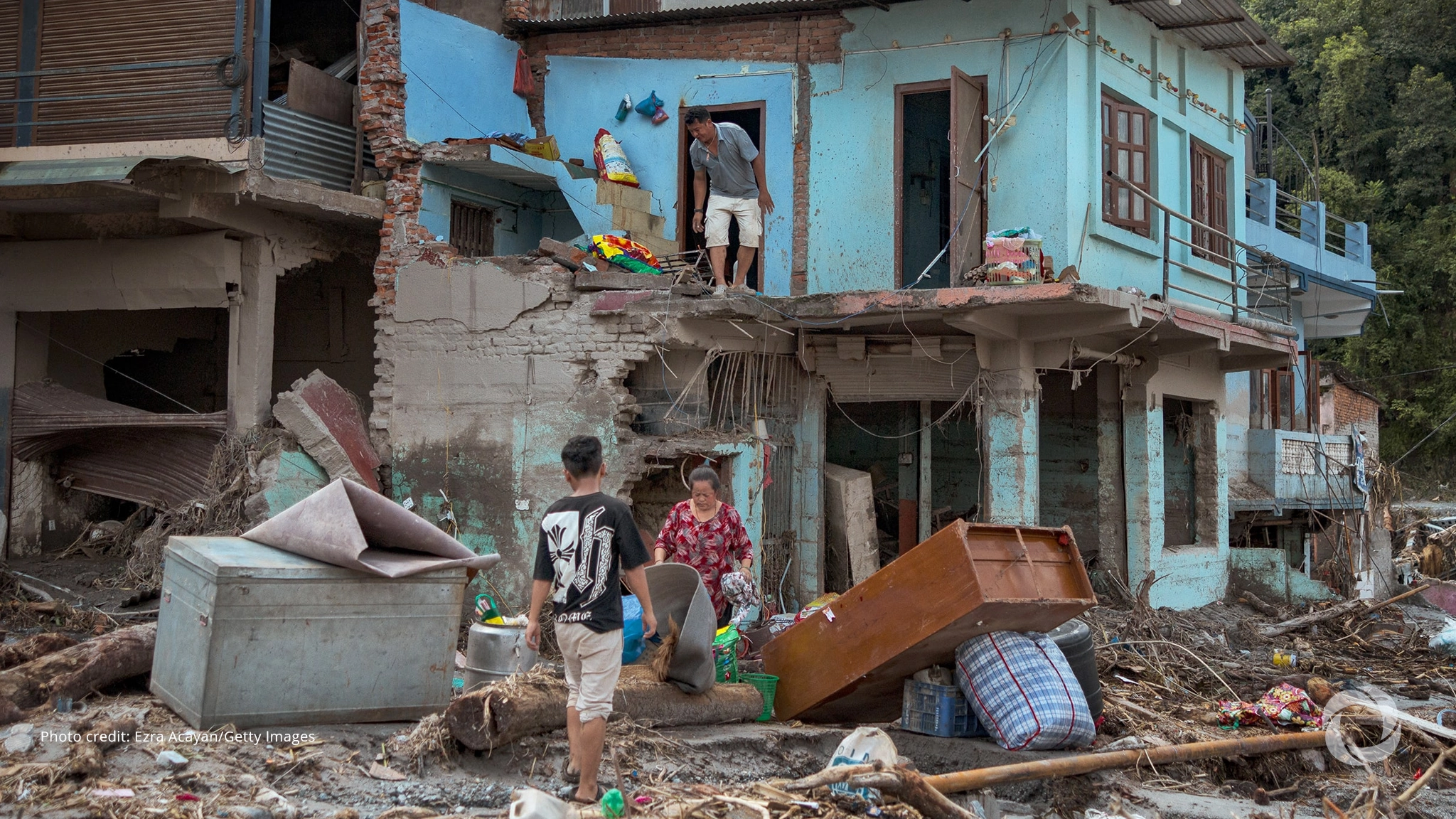
The deadly flash floods that struck northern Nepal in late August have severely disrupted employment and livelihoods, with impacts stretching well beyond directly affected communities, the International Labour Organization (ILO) said in a preliminary assessment released on Thursday, according to UN News. The agency warned that damage to transport links, electricity infrastructure and trade routes could carry the shock through supply chains, markets and connected services. Numan Özcan, ILO Country Director for Nepal, stressed that workers and enterprises located far from the flooded zone would also feel the consequences. The brief highlights urgent risks for informal workers, women and children. It also calls for a recovery approach centered on decent employment.
The catastrophic flooding was triggered by a glacier collapse on the border with China, destroying homes, workplaces, roads, bridges and energy infrastructure. According to the authorities, more than 1,450 people were killed and 5,786 remain missing. The ILO estimated that some 21,400 employed people live within four kilometres of the “flood footprint.” The disaster has disrupted economic activity and blocked workers from reaching jobs, markets and essential services. Nepal’s high level of informal employment leaves many workers with limited income and social protection.
Tourism, agriculture, transport and small businesses are facing significant pressure, the assessment found. Affected workers include guides, porters and transport operators, along with hotel, restaurant and agricultural employees. They may face reduced earnings, interrupted work and difficulty accessing customers, inputs and markets. Daily-wage, casual and informal workers, as well as the self-employed and those running micro- and home-based businesses, are at heightened risk. The ILO flagged particular concerns for groups whose livelihoods depend on daily activity.
“Women workers may face the combined effects of lost paid work and increased unpaid care responsibilities,” the assessment said.
It further warned that “severe household income losses may also increase the risk of child labour as a negative coping strategy.” The brief also examined disruption to the Nepal-China trade corridor. Two key overland routes, Rasuwa and Tatopani, accounted for some 22 per cent of Nepal’s imports from China over the past year. The floods severely damaged critical transport infrastructure in Rasuwa, which is responsible for nearly half of exports to China.
Trade disruptions could affect not only transport and border-related employment but also workers in wholesale and retail trade, construction, manufacturing and agricultural processing. The ILO stressed that recovery and reconstruction can help protect livelihoods while creating decent employment. It recommended immediate income support for households and businesses as a priority next step. The brief also called for “employment-intensive reconstruction,” job matching and skills development. These measures aim to safeguard workers and enterprises as Nepal moves toward recovery.