
Add us as your preferred source on Google to see more of our content in Search.
 Add to Preferred Sources
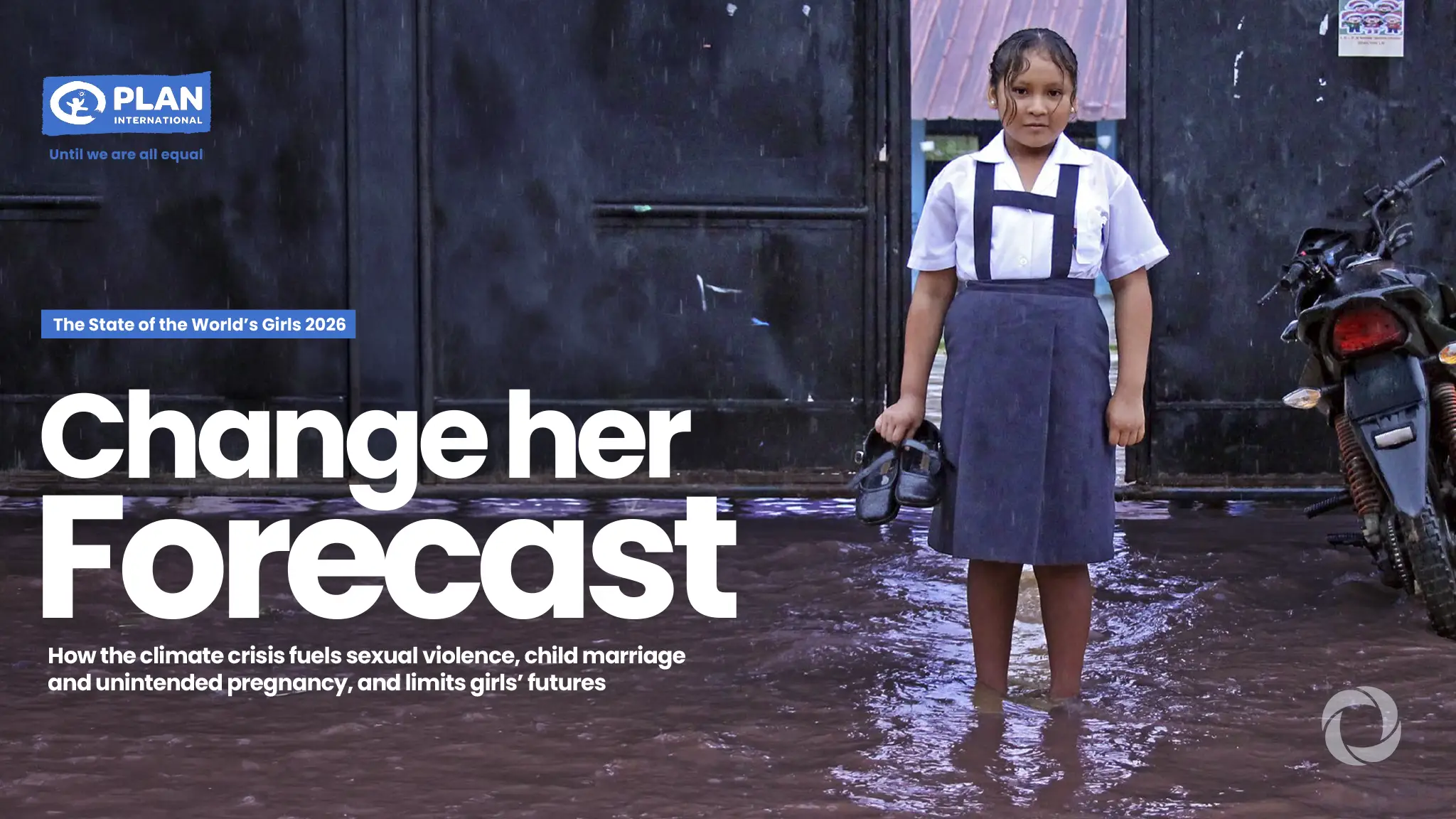
Climate disasters are driving greater risks of child marriage, teenage pregnancy, and violence for girls worldwide, according to a press release issued by Plan International on 4 October 2026. The findings come from Change Her Forecast, the State of the World’s Girls 2026 report, which examines how climate change is reshaping girls’ health, safety, and futures. The research combines health and climate data spanning more than 50 countries over three decades with a survey of 5,000 girls. It also draws on in-depth interviews and focus group discussions with 139 girls across Bangladesh, Kenya, Peru, Senegal, and Zimbabwe. The report concludes that climate shocks are destroying the services girls rely on at the moment they need them most.
The study found that floods, droughts, cyclones, and extreme heat are disrupting the health and education systems that protect girls. One in 10 girls reported experiencing an unintended pregnancy following a climate-related event, while 33% noted an increase in such pregnancies in their community. One in 10 girls said they had married before the age of 18, and 36% observed more early marriages after climate-related disasters. More than a quarter (28%) of girls said they had witnessed increased violence against women and girls following these events. Nine in 10 girls said climate-related events were placing serious pressure on their family’s survival, health, and stability.
The report also highlights how climate shocks are pulling girls out of school, removing their most protective factor. More than three-quarters (76%) of girls said more girls and young women in their community were struggling to access at least one health service, rising to 84% among those affected by drought. Girls from minority communities were twice as likely to struggle to access services and nearly three times as likely to report an unintended pregnancy. They were also more than twice as likely to face pressure to marry young. Girls whose schooling was disrupted were twice as likely to marry early or face an unintended pregnancy.
“For girls, the climate crisis is not a distant threat. It is already disrupting their education and increasing the risks they face when they cannot access health services. Only half of national climate plans mention girls’ or women’s health, and despite the escalating impact of climate shocks on the health systems and services girls rely on, just 0.5% of multilateral climate finance supports health,” said Reena Ghelani, Plan International CEO. Girls also reported heightened danger in emergency shelters, where cramped conditions exposed them to harassment and sexual violence. Almost half (49%) noticed more pregnancy or childbirth complications, including miscarriages, following a climate shock. Across 52 countries and three decades, prolonged drought emerged as the hazard most consistently linked to rising child marriage rates.
With global attention turning to COP31, Plan International is urging governments and donors to keep schools open and free during climate shocks and to allocate a defined share of climate adaptation finance to adolescent girls’ health. The organization also calls for menstrual products, contraception, and protection services to be included in every emergency response package. It stresses the need to reach the most marginalized girls, including those from minority communities, those with disabilities, and those already displaced. “Girls cannot continue to be treated as an afterthought in climate action,” Ghelani said. This year’s El Niño pattern is projected to be the most powerful in decades, narrowing the window to act before its impacts deepen.