
Add us as your preferred source on Google to see more of our content in Search.
 Add to Preferred Sources
Half of all respondents – 51 percent – in a seven-country survey said that the COVID-19 pandemic has negatively affected their mental health, and the International Committee of the Red Cross (ICRC) survey found.
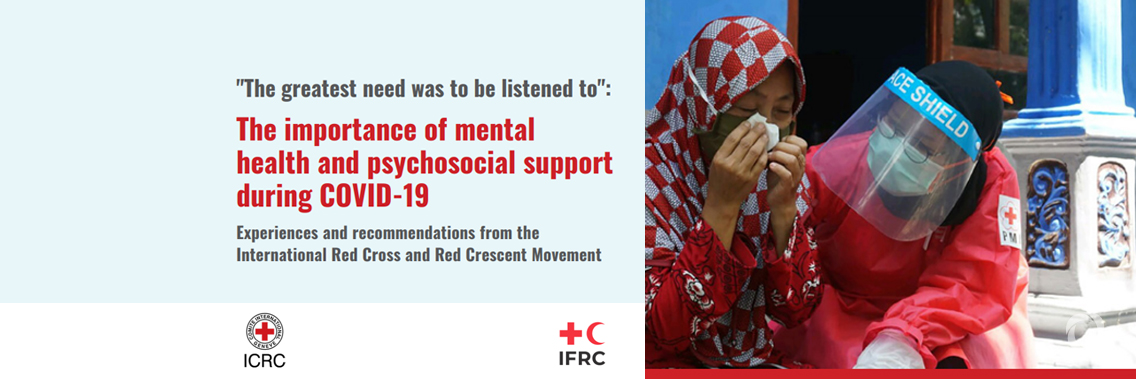
In a new report – “The greatest need was to be listened to: The importance of mental health and psychosocial support during COVID-19,” – the International Red Cross and Red Crescent Movement demonstrates how the pandemic is adding an extraordinary level of stress and suffering on communities around the world. The outbreak is worsening existing mental health conditions, triggering new ones, and making access to mental health services even more scarce. It calls for urgent and increased funding for mental health and psychosocial support within humanitarian responses.
“The COVID-19 health crisis has exacerbated the psychological distress of millions of people already living through conflicts and disasters. Lockdown restrictions, a loss of social interaction, and economic pressures are all impacting people’s mental health and access to care,” said Robert Mardini, the ICRC’s director-general. “Mental health is just as important as physical health, especially in crisis situations, when mental health needs are especially critical.”
The report also highlights the urgent mental health needs of those who have been on the frontline of the pandemic, from medical staff to volunteers, community workers, social workers, dead body collectors, community leaders, and many others. Nearly three in four respondents to the ICRC survey – 73 percent – said that frontline health workers and first responders have more need for mental health support than the average person. They are often directly exposed to COVID-19, work long hours, and are invariably subject to stressful events and stigma when supporting disaster-affected communities. They need access to support and care to ensure they can continue to care appropriately for others.
Read the report: The greatest need was to be listened to: The importance of mental health and psychosocial support during COVID-19.
Original source: IFRC