


Add us as your preferred source on Google to see more of our content in Search.
 Add to Preferred Sources
The world’s biggest climate conference, COP26, has resulted in many different pledges concerning a reduction in greenhouse gas emissions. However, none of these referred to a decrease in meat production which is one of the most emissive human activities.
How does meat production drive climate changes?
Although decision-makers did not mention the need to reduce meat production at the latest climate summit in Glasgow, its impact cannot be ignored. Global food production is responsible for a quarter of all human-induced greenhouse gas emissions and this amount will only increase as the population grows.
Livestock production has a high carbon footprint because of many different factors. First of all, cows, sheep, goats, etc. eat grass and plants so to rear and feed them requires large swathes of grazing. To obtain grazing land, farmers very often need to cut down trees or plants which are natural carbon storage units. Today, farmland occupies 50% of all the habitable land on the earth and the majority of it is used to rear livestock on.
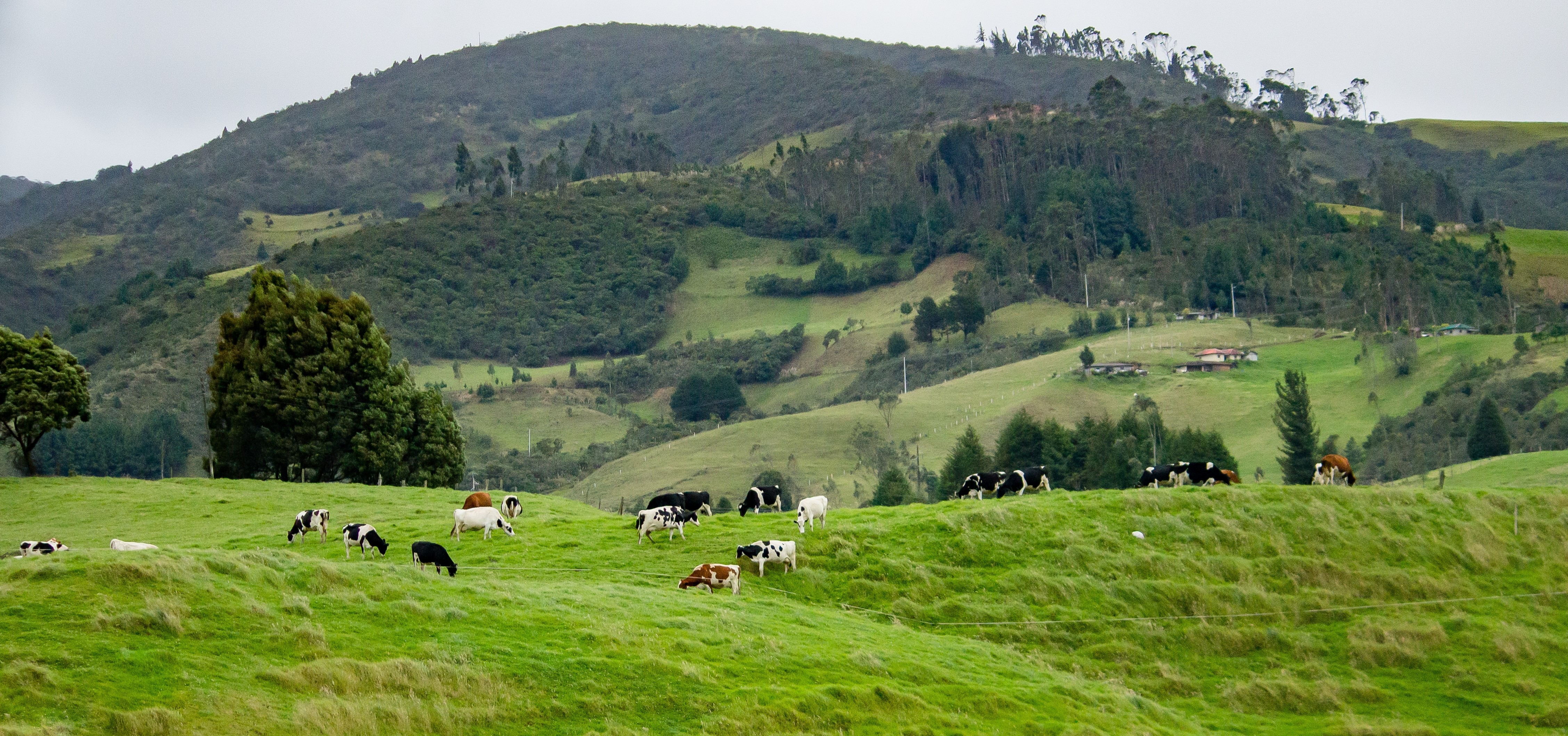
Furthermore, farm animals also produce a great deal of methane in their digestive systems and this is a much more potent greenhouse gas than carbon dioxide. Of course, there are certain plant products that also have a high carbon footprint such as some nuts or avocado but even so, this is at a much lower level than is the case of meat.
Which diet could save both us and the planet?
As a meat-based diet is one of the major contributors to global warming, switching to a less emissive lifestyle to maintain global warming around 1.5C would be a judicious thing to do. Livestock delivers only 18% of global calories and 37% of proteins. To produce 1 kg of beef, humanity emits 70 kg of gases while to produce 1 kg of wheat, this is just 2.5 kg. In general, meat production generates twice as many emissions as plant-based food. It is for each individual to decide whether to shift to a less meat-based diet which depends on the level of awareness regarding how our food habits impact climate changes.