
Add us as your preferred source on Google to see more of our content in Search.
 Add to Preferred Sources
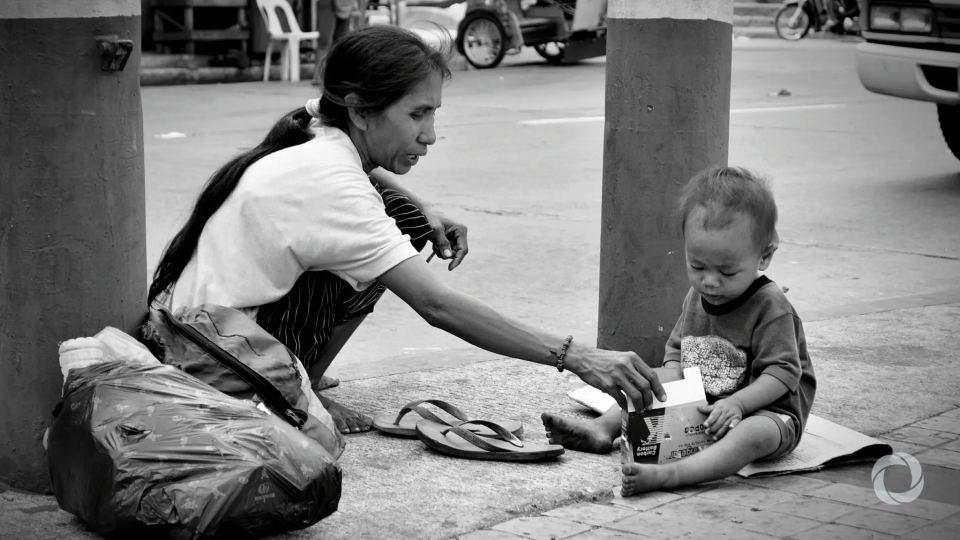
New U.S. Census data shows 43.7 million Americans lived in poverty in 2024, including 9.7 million children, while income inequality grew and the gender pay gap widened for the second straight year. The poverty rate held at 12.9% for the general population and 13.4% for children, failing to drop below pandemic levels, according to an Oxfam press release responding to the Census Bureau findings. Post-tax income inequality measured 0.446 on the Gini index, while women working full-time earned 80.9 cents for every dollar earned by men.
The U.S. continues to rank among OECD countries with the highest poverty rates, particularly for children. Oxfam warns that President Trump’s tax policies will worsen these conditions by cutting social programs while benefiting wealthy Americans. The organization points to the “One Big Beautiful Bill Act,” which gives the top 0.1% of earners roughly $311,000 each in tax breaks while reducing funding for Medicaid and food assistance programs.
Current safety net programs prevent even higher poverty rates. SNAP food assistance lifted 3.6 million people out of poverty in 2024, while Medicaid helped 15.3 million people escape poverty in 2023. However, the Congressional Budget Office estimates Trump’s cuts will strip health insurance from 10 million people and remove SNAP benefits from 2.4 million Americans.
“Today’s Census data affirms the shameful fact that the U.S. remains one of the most unequal rich countries in the world,” said Rebecca Riddell, Oxfam America’s Economic Justice Senior Policy Lead.
She criticized policies that allow “the wealthiest among us continue to amass unthinkable fortunes, while millions of people live in poverty.” Riddell warned that Trump’s agenda will “further impoverish families and inflame inequality.”
Oxfam predicts poverty and inequality will rise without policy changes, creating more hunger and illness while the wealthy get richer. The organization called the tax cuts “unconscionable” for helping the ultra-rich while reducing support for struggling families who need government assistance to meet basic needs.